
DbcultAccessing Vault...
Director's Spotlight
Senior Film Conservator
Director's Spotlight: United States
A Deep Dive into the 1926 Vision of Richard Thorpe
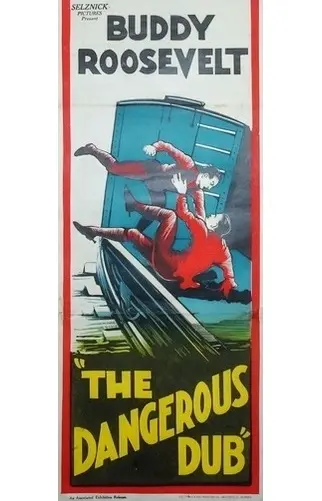
The 1926 release of The Dangerous Dub marked a significant moment for the stylistic boundaries pushed by Richard Thorpe during the production. In the context of United States's rich cinematic history, it invites us to question our own perceptions of Western narratives.
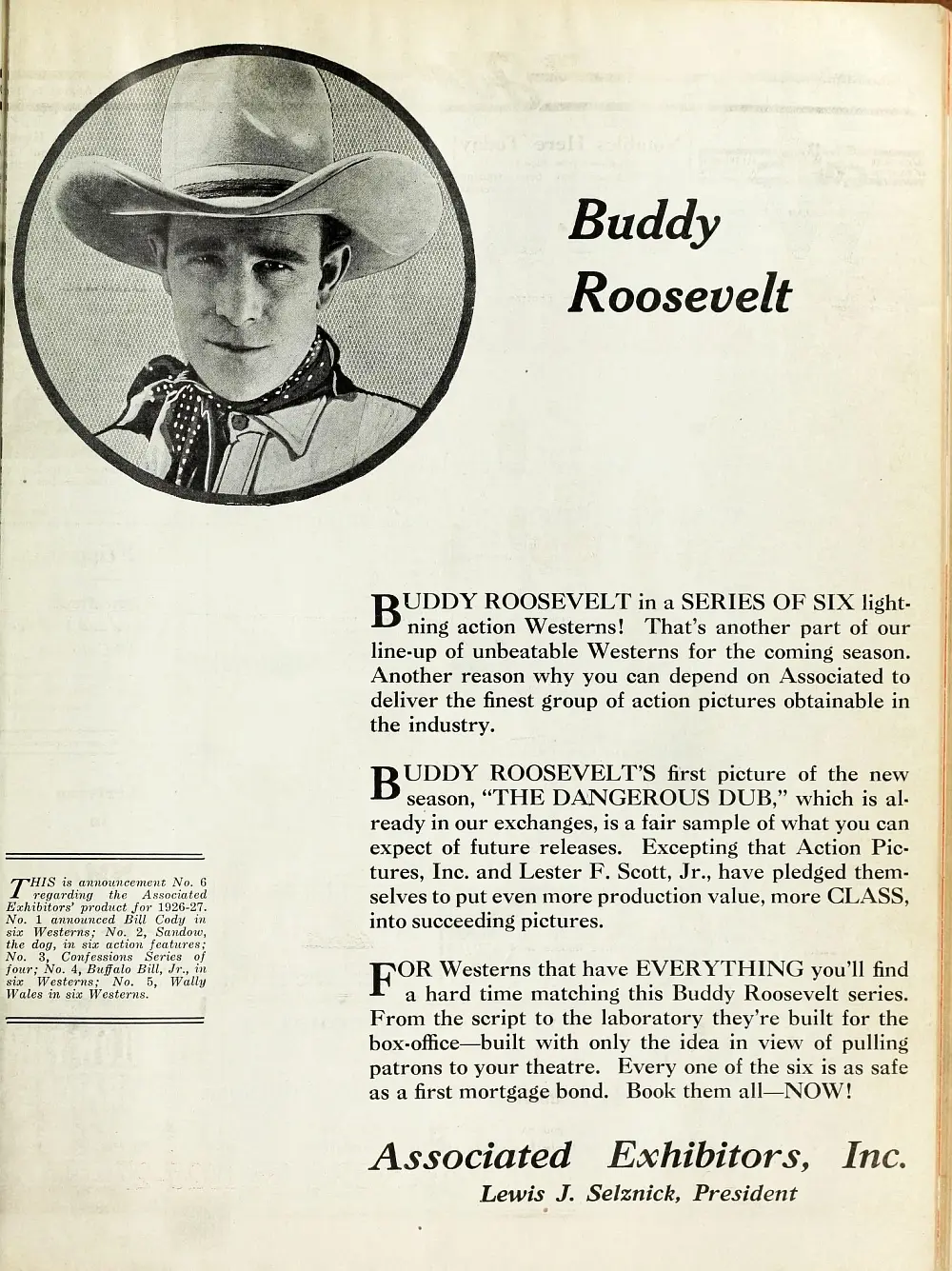
In The Dangerous Dub, Richard Thorpe pushes the boundaries of conventional narrative. The film's unique approach to its subject matter has sparked endless debates and interpretations among cinephiles and critics alike.
| Cinematography | Handheld |
| Soundtrack | Experimental |
| Editing | Invisible |
| Art Direction | Kitsch |
Visualizing the convergence of Richard Thorpe's style and the core Western narrative.
Buddy Martin, a cowpuncher, falls in love with Rose Cooper, whom he meets in a Chinese restaurant in Omaha, and frustrates a plot between Bill Cooper, her stepfather, and Scar-Face Hanan, a notorious criminal. At Rose's insistence, Buddy is given a job on their ranch. Buddy overhears Cooper conspiring with Scar-Face to rustle his own (Cooper's) herd until he can persuade Rose's mother to sell the ranch; when Buddy discovers the rustlers at work, Cooper accuses him of being a rustler and sends him off the ranch, and disguised with a beard, he finds refuge in a camp maintained by Scar-Face. When the sale of the ranch is imminent, Buddy circumvents the bandits, takes the money from Cooper, and notifies the sheriff. In a series of chases on horseback and by train, Buddy overcomes Scar-Face and then marries Rose.
Decades after its release, The Dangerous Dub remains a vital piece of the cinematic puzzle. Its influence can be seen in countless modern works, solidifying Richard Thorpe's status as a master of the craft in United States and beyond.