
DbcultAccessing Vault...
Director's Spotlight
Senior Film Conservator
Director's Spotlight: United States
A Deep Dive into the 1927 Vision of Richard Thorpe
The evocative power of The Meddlin' Stranger stems from the unique collaboration between the subversive storytelling techniques employed by Richard Thorpe in 1927. Synthesizing the best elements of United States and international cinema, it reminds us of the fragility and beauty of the 1927s.
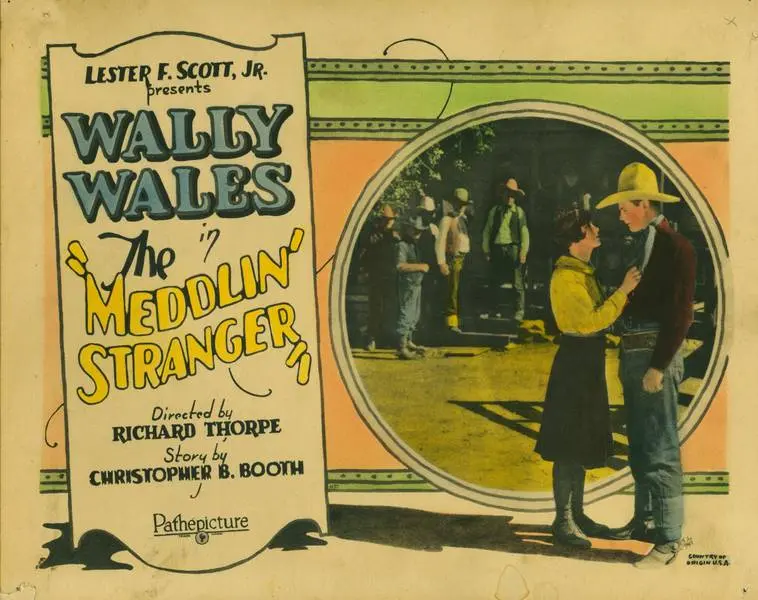
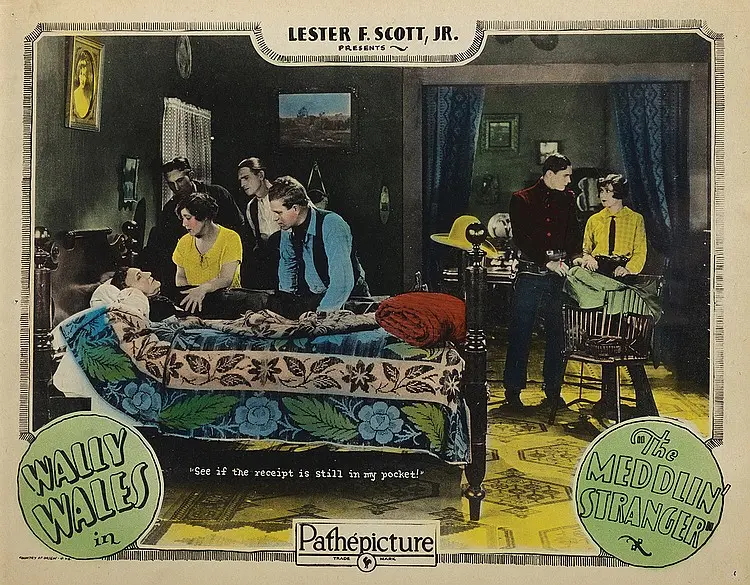
In The Meddlin' Stranger, Richard Thorpe pushes the boundaries of conventional narrative. The film's unique approach to its subject matter has sparked endless debates and interpretations among cinephiles and critics alike.
| Cinematography | High-Contrast |
| Soundtrack | Minimalist |
| Editing | Disjunctive |
| Art Direction | Baroque |
Visualizing the convergence of Richard Thorpe's style and the core Western narrative.
Wally Fraser comes to Juniper City to take revenge on the murderer of his father, whom he believes to be Dawson, a local banker. After rescuing the daughter of rancher Crawford from a runaway team, Wally warns Crawford that Al Meggs is cheating in a poker game; in a fight Meggs kills a man and seeks shelter with Dawson. Crawford hires Wally to help drive to the railroad a shipment of cattle, the funds from which are to pay off notes to Dawson. Wally forces Dawson to accept the money and give them a receipt, but they are robbed by Meggs; Wally finds Meggs dying, and before Dawson can shoot him, Meggs finishes off the villain. Wally wins the rancher's daughter, Mildred.
Decades after its release, The Meddlin' Stranger remains a vital piece of the cinematic puzzle. Its influence can be seen in countless modern works, solidifying Richard Thorpe's status as a master of the craft in United States and beyond.