
DbcultAccessing Vault...
Director's Spotlight
Senior Film Conservator
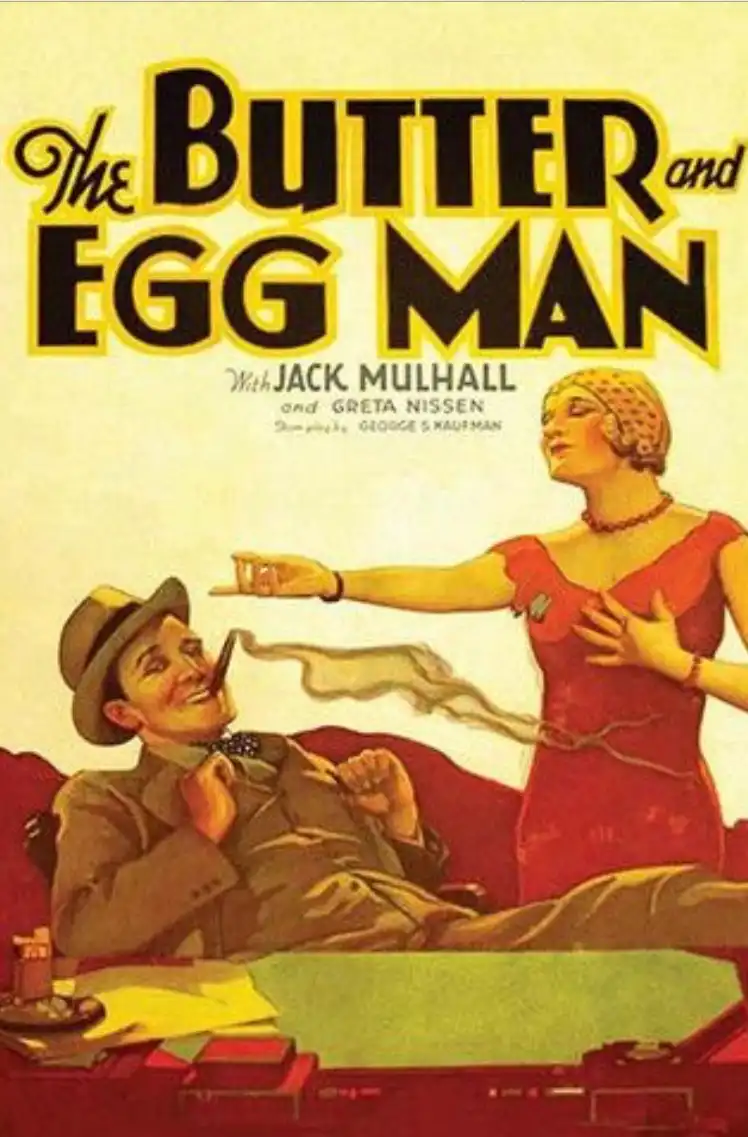
Director's Spotlight: United States
A Deep Dive into the 1928 Vision of Richard Wallace
Analyzing The Butter and Egg Man (1928) requires a deep dive into the defining moment in Comedy history that Richard Wallace helped create. Defining a new era of United States artistic expression, it transcends regional boundaries to tell a universal story.
In The Butter and Egg Man, Richard Wallace pushes the boundaries of conventional narrative. The film's unique approach to its subject matter has sparked endless debates and interpretations among cinephiles and critics alike.
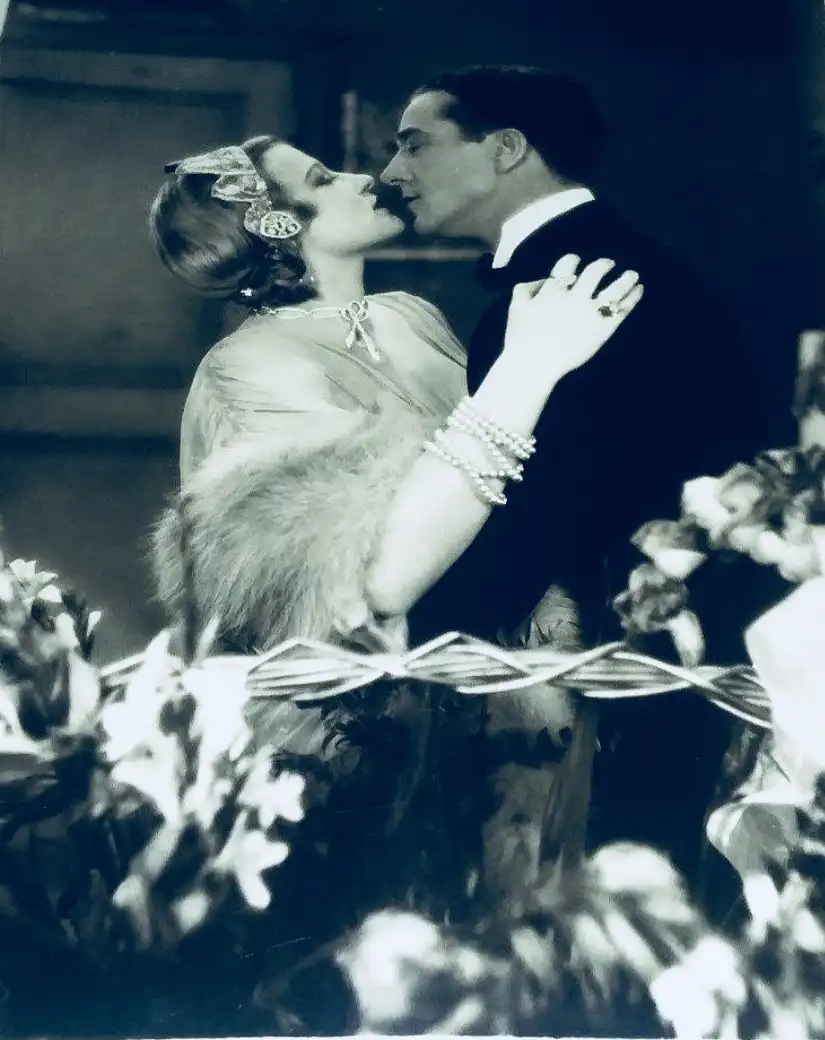
To fully appreciate The Butter and Egg Man, one must consider the cinematic climate of 1928. During this period, United States was undergoing significant artistic shifts, and Richard Wallace was at the forefront of this Comedy movement, often challenging established norms.
| Cinematography | Deep Focus |
| Soundtrack | Synth-Heavy |
| Editing | Rhythmic |
| Art Direction | Naturalist |
Visualizing the convergence of Richard Wallace's style and the core Comedy narrative.
Peter Jones is a young man who arrives on Broadway from Chillicothe, Ohio, hoping to invest $20,000 in a play and turn a profit sufficient to buy a local hotel back home. He is conned by Joe Lehman and Jack McClure into backing their play with a 49-percent stake. The play opens out-of-town in Syracuse and bombs. Lehman and McClure want out, and Jones buys them out, and revamps the play into a huge hit. Jones then sells back to them at a huge profit after learning of claims that the play was stolen, and returns home to get his hotel.
Decades after its release, The Butter and Egg Man remains a vital piece of the cinematic puzzle. Its influence can be seen in countless modern works, solidifying Richard Wallace's status as a master of the craft in United States and beyond.