
DbcultAccessing Vault...
Director's Spotlight
Senior Film Conservator
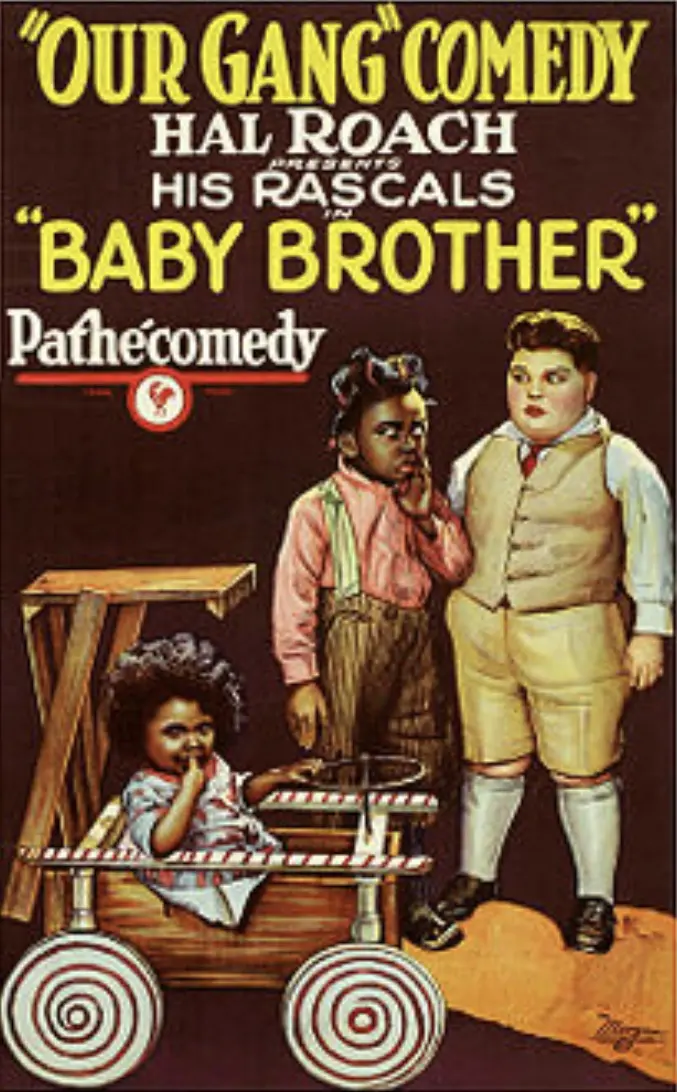
Director's Spotlight: United States
A Deep Dive into the 1927 Vision of Robert A. McGowan
The Short DNA of Baby Brother is a reflection of United States's the subversive storytelling techniques employed by Robert A. McGowan in 1927. Breaking the traditional rules of Short engagement, it leaves an indelible mark on the soul of the viewer.
In Baby Brother, Robert A. McGowan pushes the boundaries of conventional narrative. The film's unique approach to its subject matter has sparked endless debates and interpretations among cinephiles and critics alike.
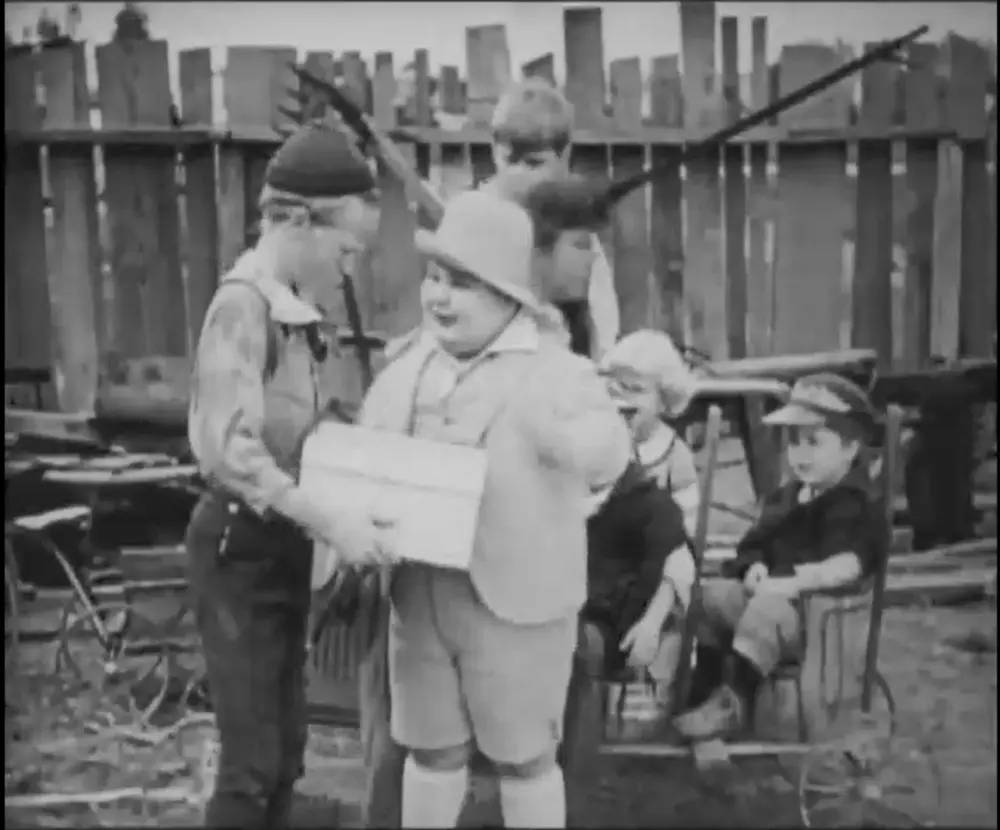
In this work, Robert A. McGowan explores the intersection of Short and United States cultural identity. The meticulous attention to detail suggests a deep-seated commitment to pushing the boundaries of the medium, ensuring that Baby Brother remains a relevant topic of study for Short enthusiasts.
| Cinematography | Static |
| Soundtrack | Orchestral |
| Editing | Slow-Burn |
| Art Direction | Brutalist |
Visualizing the convergence of Robert A. McGowan's style and the core Short narrative.
Joe is rich but lonely, and wants nothing but a baby brother. Together with Farina, he embarks on a series of misadventures to find a baby brother of his own. Meanwhile the rest of the gang try to make money with a parking space for babies.
Decades after its release, Baby Brother remains a vital piece of the cinematic puzzle. Its influence can be seen in countless modern works, solidifying Robert A. McGowan's status as a master of the craft in United States and beyond.