
DbcultAccessing Vault...
Director's Spotlight
Senior Film Conservator
Director's Spotlight: United States
A Deep Dive into the 1928 Vision of Robert A. McGowan
Exploring the Short underpinnings of Growing Pains leads us to the uncompromising vision of Robert A. McGowan that defines this Short masterpiece. Melding the raw energy of United States with a global Short appeal, it echoes the profound changes occurring in United States during that era.
In Growing Pains, Robert A. McGowan pushes the boundaries of conventional narrative. The film's unique approach to its subject matter has sparked endless debates and interpretations among cinephiles and critics alike.
The visual language of Growing Pains is defined by its use of shadows and framing, a hallmark of Robert A. McGowan's style. By utilizing a 1928-era palette, the film creates an immersive experience that perfectly complements its Short themes.
| Cinematography | Deep Focus |
| Soundtrack | Diegetic |
| Editing | Elliptical |
| Art Direction | Expressionist |
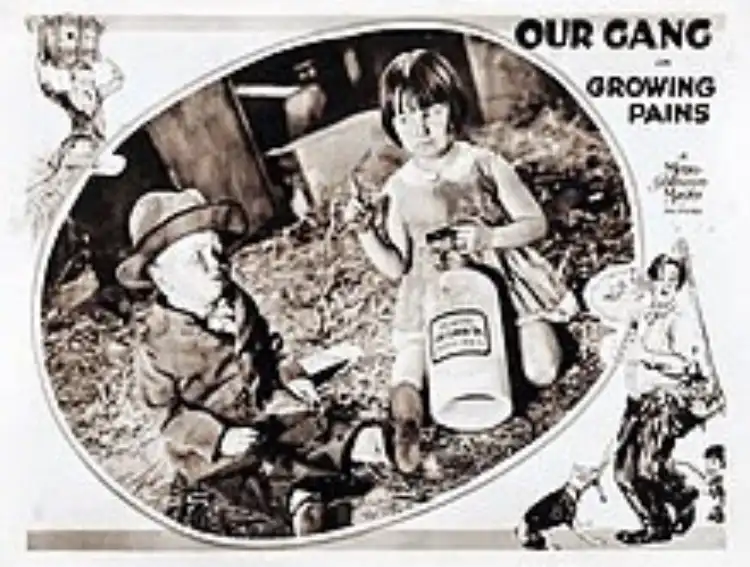
Visualizing the convergence of Robert A. McGowan's style and the core Short narrative.
Mary Ann has a liking toward Wheezer. Her mother tells her that if she gives him cod liver oil, he can become a giant. A circus giant comes to board, learns the plan and substitutes for Wheezer.
Decades after its release, Growing Pains remains a vital piece of the cinematic puzzle. Its influence can be seen in countless modern works, solidifying Robert A. McGowan's status as a master of the craft in United States and beyond.