
DbcultAccessing Vault...
Director's Spotlight
Senior Film Conservator
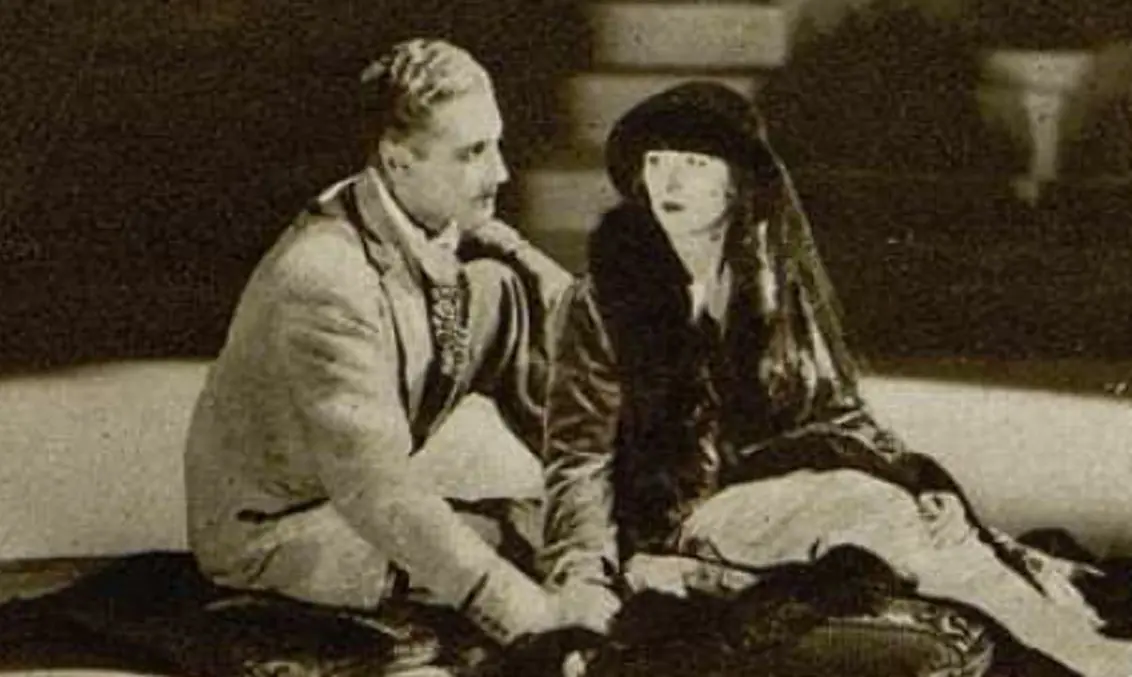
Director's Spotlight: France
A Deep Dive into the 1926 Vision of Robert Boudrioz
Analyzing La chaussée des géants (1926) requires a deep dive into the defining moment in cult history that Robert Boudrioz helped create. Defining a new era of France artistic expression, it transcends regional boundaries to tell a universal story.
In La chaussée des géants, Robert Boudrioz pushes the boundaries of conventional narrative. The film's unique approach to its subject matter has sparked endless debates and interpretations among cinephiles and critics alike.
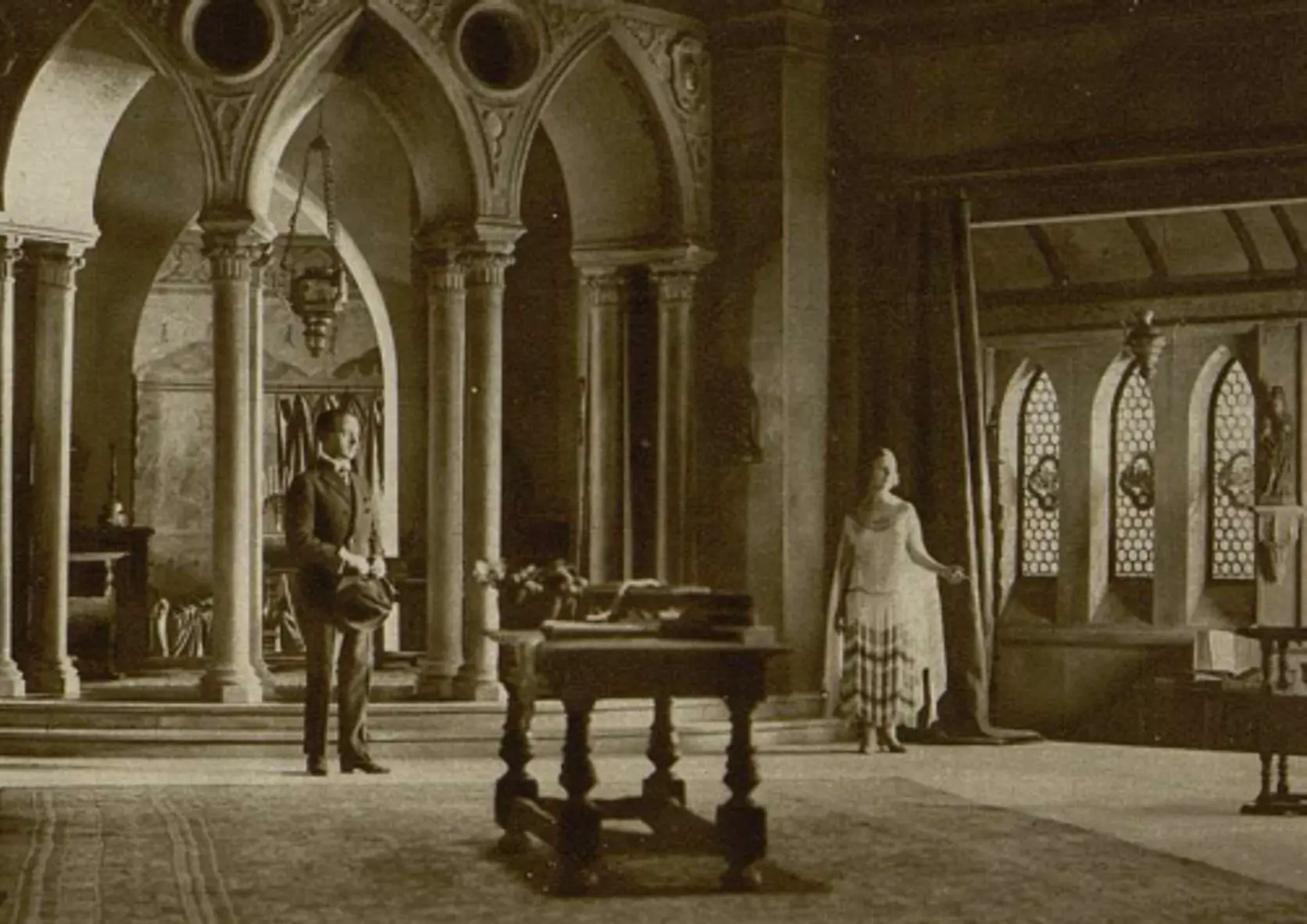
While deeply rooted in France, La chaussée des géants has achieved a global reach, influencing directors from various backgrounds. Its ability to translate cult tropes into a universal cinematic language is why it remains a cult staple decades after its 1926 release.
| Cinematography | Deep Focus |
| Soundtrack | Orchestral |
| Editing | Slow-Burn |
| Art Direction | Brutalist |
Visualizing the convergence of Robert Boudrioz's style and the core cult narrative.
When he was a child, François Gérard got to know Antiope, a little foreigner, in a Paris park. As an adult, he sees her again in her native country, Mingrelia, which is on the verge of revolution. He is then the host of Count of Antrim, who is also Antiope's father. However, once in the presence of François, the young woman does not seem particularly moved, which somewhat puzzles him.
Decades after its release, La chaussée des géants remains a vital piece of the cinematic puzzle. Its influence can be seen in countless modern works, solidifying Robert Boudrioz's status as a master of the craft in France and beyond.