
DbcultAccessing Vault...
Director's Spotlight
Senior Film Conservator
Director's Spotlight: United States
A Deep Dive into the 1927 Vision of Robert De Lacey
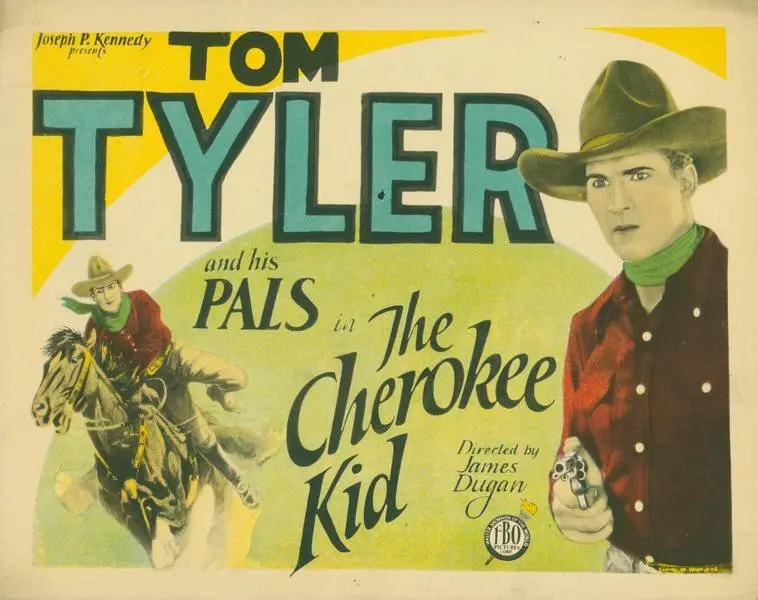
When we examine the cinematic landscape of United States, The Cherokee Kid emerges as a landmark work of the enduring legacy of Robert De Lacey's artistic contribution to the genre. Through a lens of existential fatalism and Western tropes, it captures a specific kind of cinematic magic that is rarely replicated.
In The Cherokee Kid, Robert De Lacey pushes the boundaries of conventional narrative. The film's unique approach to its subject matter has sparked endless debates and interpretations among cinephiles and critics alike.
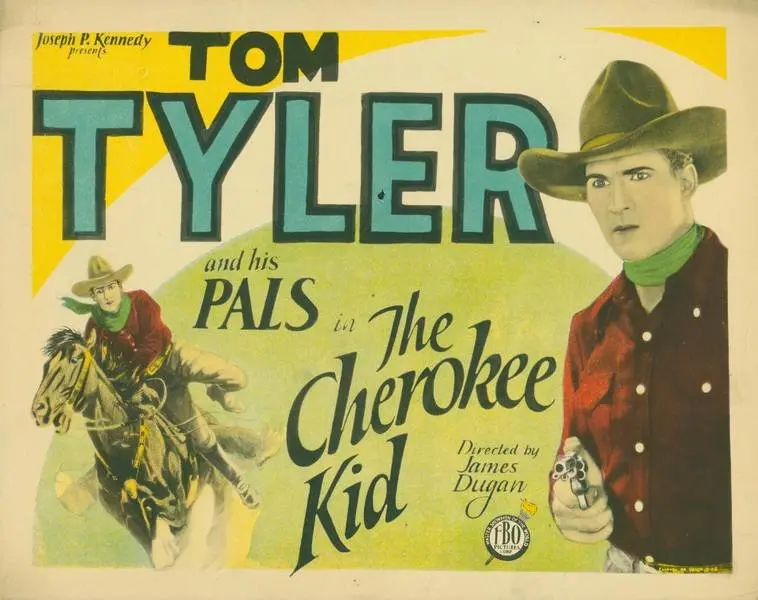
While deeply rooted in United States, The Cherokee Kid has achieved a global reach, influencing directors from various backgrounds. Its ability to translate Western tropes into a universal cinematic language is why it remains a cult staple decades after its 1927 release.
| Cinematography | Noir-Inspired |
| Soundtrack | Synth-Heavy |
| Editing | Rhythmic |
| Art Direction | Naturalist |
Visualizing the convergence of Robert De Lacey's style and the core Western narrative.
Bill Duncan returns to his home town and conceals his identity because of a longstanding feud with the Flynne family. However, he is soon found out and arrested for the murder of rancher Red Flynne. The dead man's estate has been bequeathed jointly to Rolfe McPherson, his foreman, and Helen, his daughter, who believes that her father wished her to marry Rolfe, unaware that he plotted the murder. After Bill escapes, Rolfe's housekeeper discloses her employer's guilt. Rolfe kidnaps Helen and rides for the Mexican border, but Bill comes to the rescue, brings the villain to justice, and wins Helen.
Decades after its release, The Cherokee Kid remains a vital piece of the cinematic puzzle. Its influence can be seen in countless modern works, solidifying Robert De Lacey's status as a master of the craft in United States and beyond.