
DbcultAccessing Vault...
Director's Spotlight
Senior Film Conservator
Director's Spotlight: United States
A Deep Dive into the 1926 Vision of Robert De Lacey
Deciphering the layers of The Cowboy Cop (1926) reveals the complex thematic architecture established by Robert De Lacey. Utilizing a 1926-specific aesthetic that remains timeless, it stands as the definitive 1926 statement on Western identity.
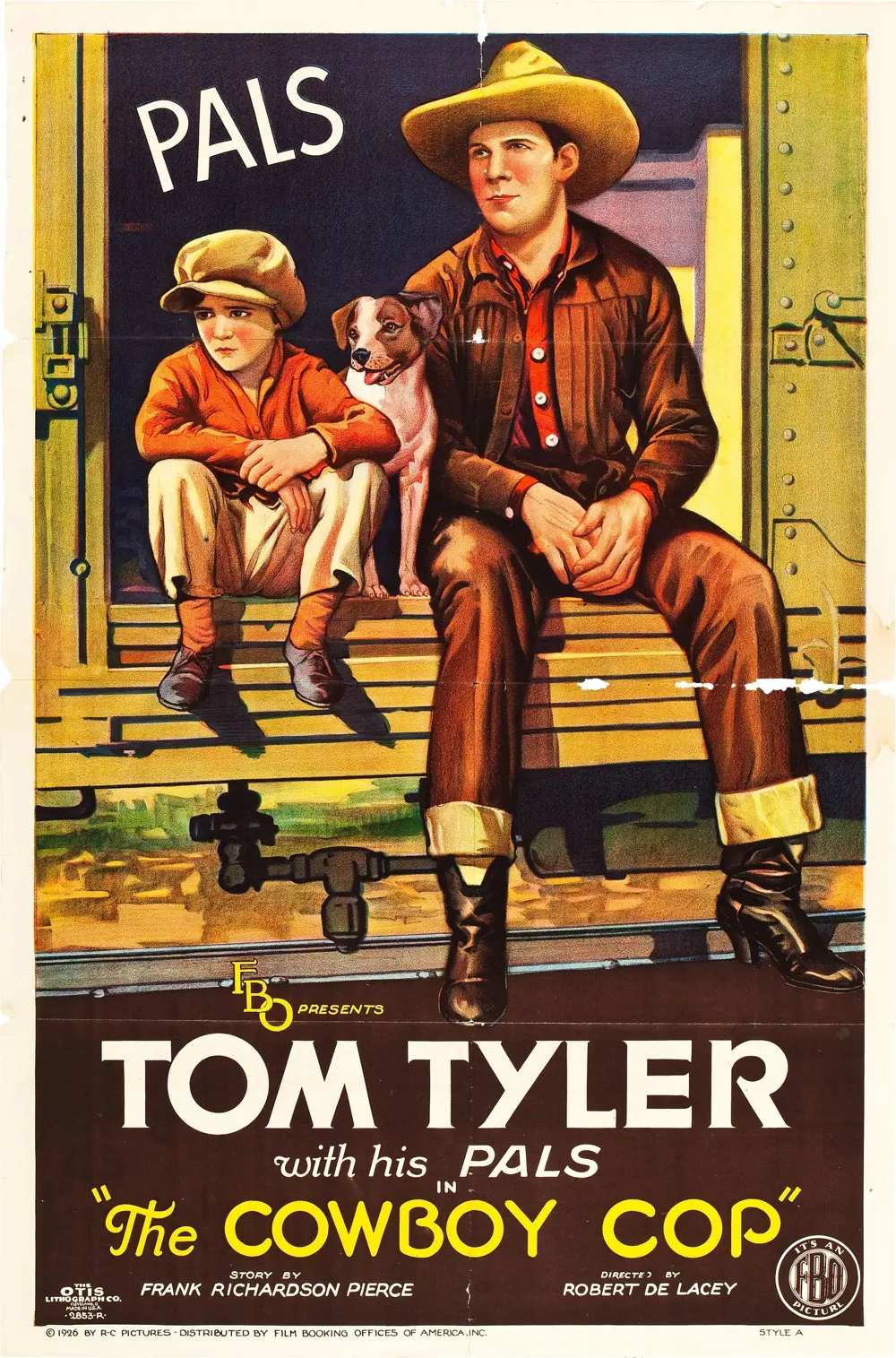
In The Cowboy Cop, Robert De Lacey pushes the boundaries of conventional narrative. The film's unique approach to its subject matter has sparked endless debates and interpretations among cinephiles and critics alike.
| Cinematography | High-Contrast |
| Soundtrack | Synth-Heavy |
| Editing | Disjunctive |
| Art Direction | Baroque |
Visualizing the convergence of Robert De Lacey's style and the core Western narrative.
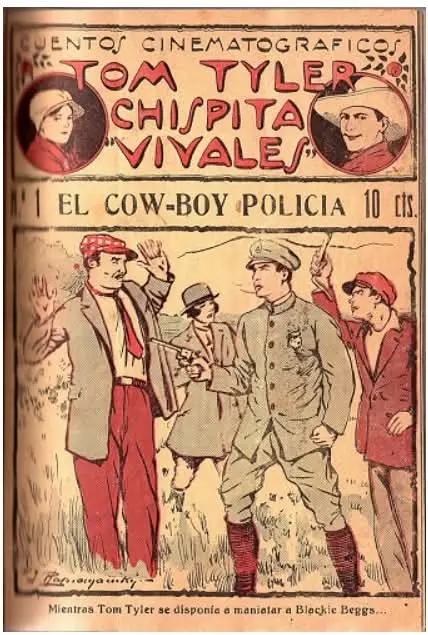
Jerry McGill, an Arizona cowpuncher, arrives in Los Angeles, is robbed by a stranger in a taxi, and is stranded. He is befriended by Frankie, a newsboy, who buys his dinner and becomes his pal. Jerry joins the police force as a mounted policeman and, while patrolling a wealthy residential district, thwarts a holdup perpetrated on heiress Virginia Selby by her companion, Count Mirski, who has hired two crooks. To Frankie's sorrow, Jerry and Virginia become fast friends. She invites Jerry to a dinner party, where the count plots to rob the Selby safe; but when Virginia interrupts the crooks she is kidnapped. Jerry, warned by Frankie's dog, pursues the crooks in a car; when ditched, he follows on a motorcycle and subdues the count and his men. Virginia's father invites Jerry to his ranch, and he is united with Virginia.
Decades after its release, The Cowboy Cop remains a vital piece of the cinematic puzzle. Its influence can be seen in countless modern works, solidifying Robert De Lacey's status as a master of the craft in United States and beyond.