
DbcultAccessing Vault...
Director's Spotlight
Senior Film Conservator
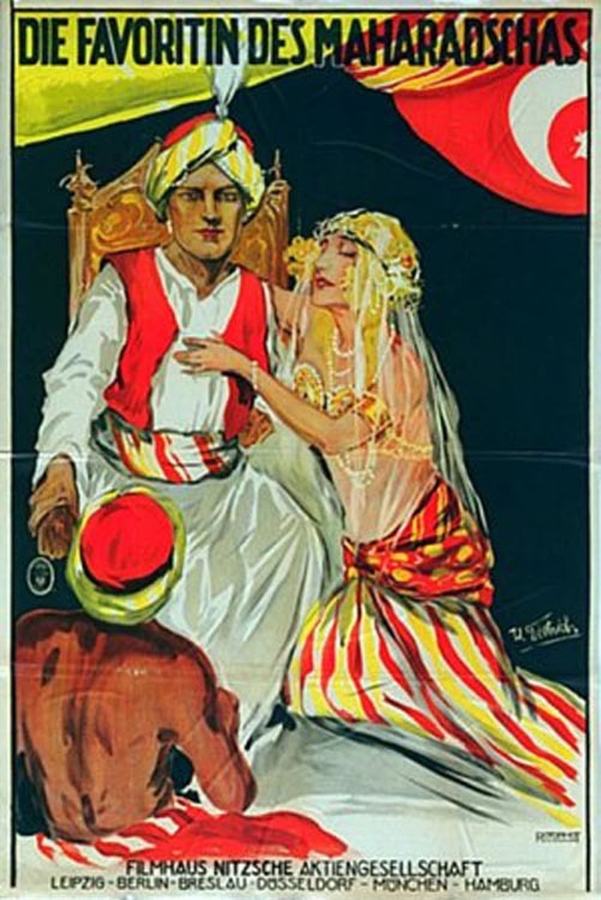
Director's Spotlight: Denmark
A Deep Dive into the 1917 Vision of Robert Dinesen
When we examine the cinematic landscape of Denmark, Maharadjahens yndlingshustru I emerges as a landmark work of the enduring legacy of Robert Dinesen's artistic contribution to the genre. Through a lens of existential fatalism and cult tropes, it captures a specific kind of cinematic magic that is rarely replicated.
In Maharadjahens yndlingshustru I, Robert Dinesen pushes the boundaries of conventional narrative. The film's unique approach to its subject matter has sparked endless debates and interpretations among cinephiles and critics alike.
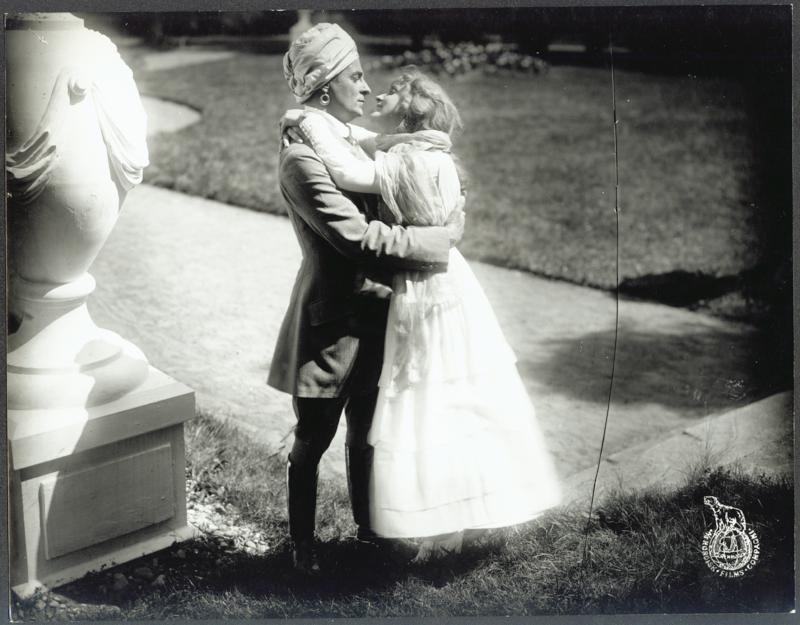
The visual language of Maharadjahens yndlingshustru I is defined by its use of shadows and framing, a hallmark of Robert Dinesen's style. By utilizing a 1917-era palette, the film creates an immersive experience that perfectly complements its cult themes.
| Cinematography | Noir-Inspired |
| Soundtrack | Minimalist |
| Editing | Disjunctive |
| Art Direction | Baroque |
Visualizing the convergence of Robert Dinesen's style and the core cult narrative.
Kuno Falkenberg, a handsome young naval lieutenant, is in love with his cousin Elly, who also happens to be the daughter of the colonel. Elly has met a swarthy and wealthy maharajah, who proposes marriage to her in a rowboat. She eagerly accepts. When Kuno finds the empty rowboat, he assumes that Elly has drowned - little suspecting that she has eloped to the Orient, or wherever wealthy maharajahs live.
Decades after its release, Maharadjahens yndlingshustru I remains a vital piece of the cinematic puzzle. Its influence can be seen in countless modern works, solidifying Robert Dinesen's status as a master of the craft in Denmark and beyond.