
DbcultAccessing Vault...
Director's Spotlight
Senior Film Conservator
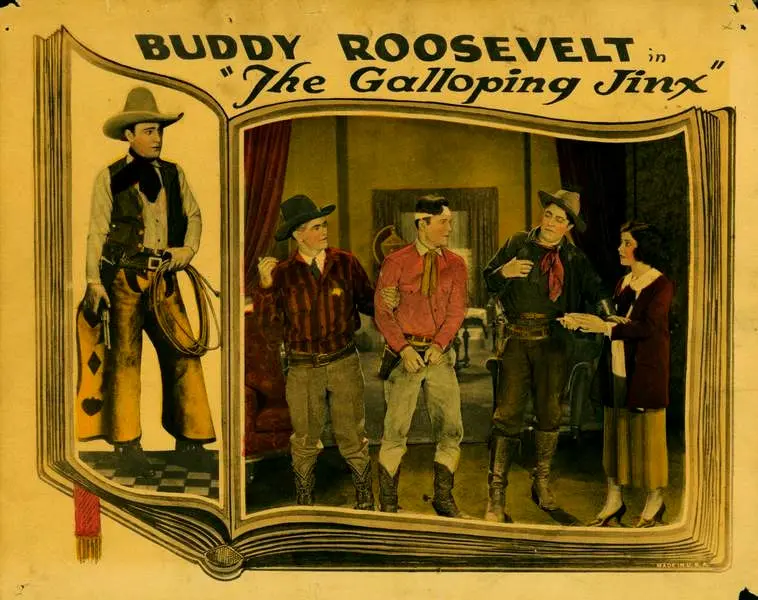
Director's Spotlight: United States
A Deep Dive into the 1925 Vision of Robert Eddy
The evocative power of The Galloping Jinx stems from the unique collaboration between the subversive storytelling techniques employed by Robert Eddy in 1925. Synthesizing the best elements of United States and international cinema, it reminds us of the fragility and beauty of the 1925s.
In The Galloping Jinx, Robert Eddy pushes the boundaries of conventional narrative. The film's unique approach to its subject matter has sparked endless debates and interpretations among cinephiles and critics alike.
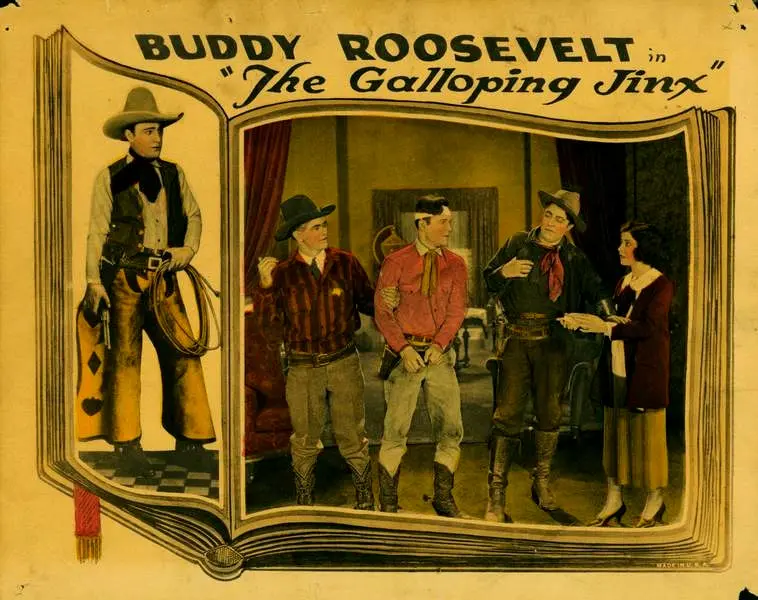
The visual language of The Galloping Jinx is defined by its use of shadows and framing, a hallmark of Robert Eddy's style. By utilizing a 1925-era palette, the film creates an immersive experience that perfectly complements its Drama themes.
| Cinematography | High-Contrast |
| Soundtrack | Experimental |
| Editing | Invisible |
| Art Direction | Kitsch |
Visualizing the convergence of Robert Eddy's style and the core Drama narrative.
Madge Walling's uncle dies and leaves her his ranch, but with the proviso that she be married by noon on the day she turns 18 years of age. Harold Rice, the man she is to marry, is held up by bandit Pete Black and doesn't arrive at the ranch on time. Secret Service agent Rankin manages to recover Harold's money from Black, but is injured in the process and suffers amnesia. He wanders onto the Walling ranch, where he is mistakenly assumed to be Rice. Complications ensue.
Decades after its release, The Galloping Jinx remains a vital piece of the cinematic puzzle. Its influence can be seen in countless modern works, solidifying Robert Eddy's status as a master of the craft in United States and beyond.