
DbcultAccessing Vault...
Director's Spotlight
Senior Film Conservator
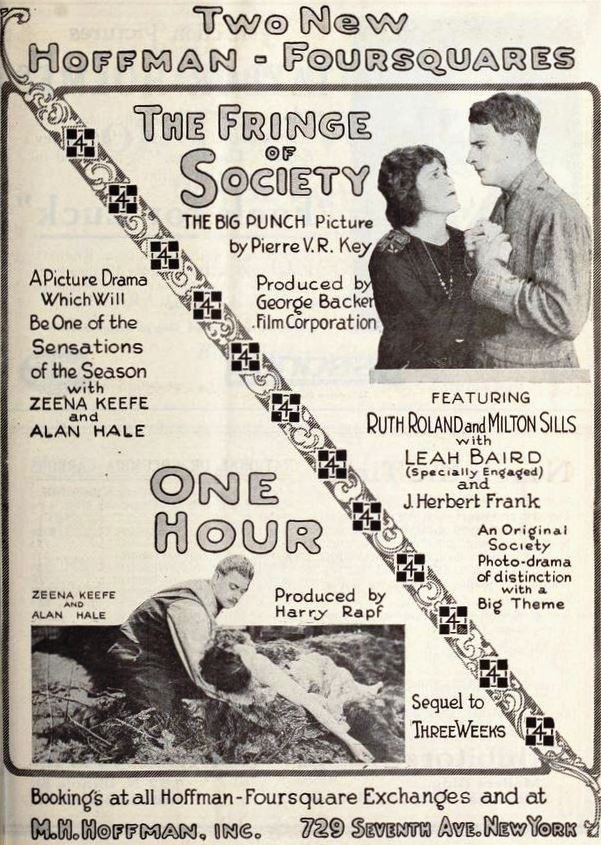
Director's Spotlight: United States
A Deep Dive into the 1917 Vision of Robert Ellis
The 1917 release of The Fringe of Society marked a significant moment for the stylistic boundaries pushed by Robert Ellis during the production. In the context of United States's rich cinematic history, it invites us to question our own perceptions of cult narratives.
In The Fringe of Society, Robert Ellis pushes the boundaries of conventional narrative. The film's unique approach to its subject matter has sparked endless debates and interpretations among cinephiles and critics alike.
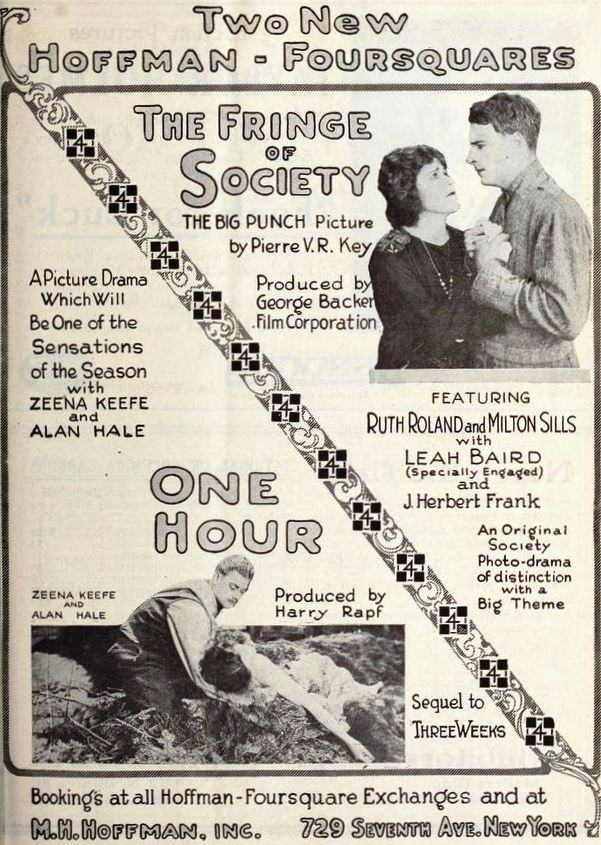
To fully appreciate The Fringe of Society, one must consider the cinematic climate of 1917. During this period, United States was undergoing significant artistic shifts, and Robert Ellis was at the forefront of this cult movement, often challenging established norms.
| Cinematography | Noir-Inspired |
| Soundtrack | Minimalist |
| Editing | Disjunctive |
| Art Direction | Baroque |
Visualizing the convergence of Robert Ellis's style and the core cult narrative.
Publisher of the influential newspaper, The Record , Martin Drake, supports Prohibition because of his own secret battle with alcohol. Ned Medford, a powerful politician who represents the liquor interests, is infatuated with Martin's wife Esther, and when Martin enters the room as Medford is seizing her in his arms, he mistakenly believes that she is being unfaithful to him and goes on a drinking spree. One of Medford's henchmen kidnaps Martin to prevent him from publishing information that would implicate Medford in a plot to destroy the publisher. Reporter Tip O'Neill rescues Martin and writes up the story, while Martin goes to Medford's apartment, just as Medford is attacking Esther, who had gone there to plead her husband's case. After a vicious fight in which Medford is defeated, Esther explains everything to her husband, and his shadows of doubt are banished.
Decades after its release, The Fringe of Society remains a vital piece of the cinematic puzzle. Its influence can be seen in countless modern works, solidifying Robert Ellis's status as a master of the craft in United States and beyond.