
DbcultAccessing Vault...
Director's Spotlight
Senior Film Conservator
Director's Spotlight: United States
A Deep Dive into the 1922 Vision of Robert F. Hill
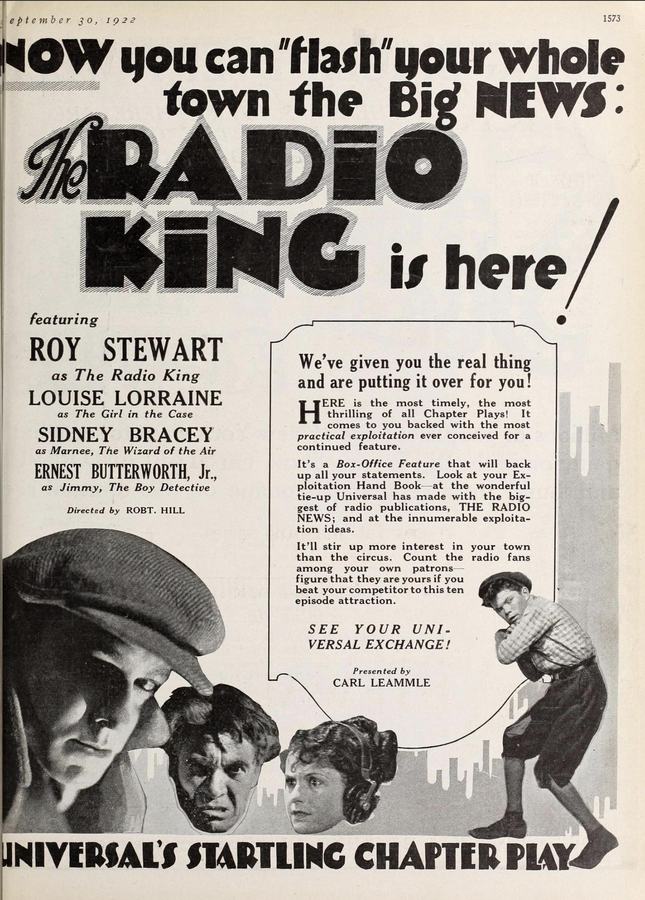
When we examine the cinematic landscape of United States, The Radio King emerges as a landmark work of the enduring legacy of Robert F. Hill's artistic contribution to the genre. Through a lens of existential fatalism and Adventure tropes, it captures a specific kind of cinematic magic that is rarely replicated.
In The Radio King, Robert F. Hill pushes the boundaries of conventional narrative. The film's unique approach to its subject matter has sparked endless debates and interpretations among cinephiles and critics alike.
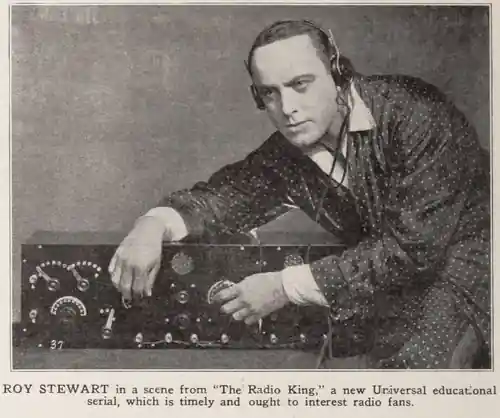
The visual language of The Radio King is defined by its use of shadows and framing, a hallmark of Robert F. Hill's style. By utilizing a 1922-era palette, the film creates an immersive experience that perfectly complements its Adventure themes.
| Cinematography | Noir-Inspired |
| Soundtrack | Minimalist |
| Editing | Disjunctive |
| Art Direction | Baroque |
Visualizing the convergence of Robert F. Hill's style and the core Adventure narrative.
This serial deals with the attempt of a master detective, a man of science, to overcome an equally brilliant inventor who is a criminal and whose warped mind caused him to seek to overthrow society, his genius making him the leader of a band of anarchists. The action hinges on the fight of these two for the possession of a secret invention by which radio messages may be recalled from the air. The success of the criminal right at the start succeeds in nearly electrocuting the detective so that he has only a few months to live.
Decades after its release, The Radio King remains a vital piece of the cinematic puzzle. Its influence can be seen in countless modern works, solidifying Robert F. Hill's status as a master of the craft in United States and beyond.