
DbcultAccessing Vault...
Director's Spotlight
Senior Film Conservator
Director's Spotlight: United States
A Deep Dive into the 1925 Vision of Robert F. McGowan
The thematic gravity of Boys Will Be Joys (1925) is rooted in the artistic risks taken by Robert F. McGowan that eventually paid off. Defining a new era of United States artistic expression, it demands to be seen by anyone who cares about the art of film.
In Boys Will Be Joys, Robert F. McGowan pushes the boundaries of conventional narrative. The film's unique approach to its subject matter has sparked endless debates and interpretations among cinephiles and critics alike.
| Cinematography | Noir-Inspired |
| Soundtrack | Orchestral |
| Editing | Invisible |
| Art Direction | Kitsch |
Visualizing the convergence of Robert F. McGowan's style and the core Short narrative.
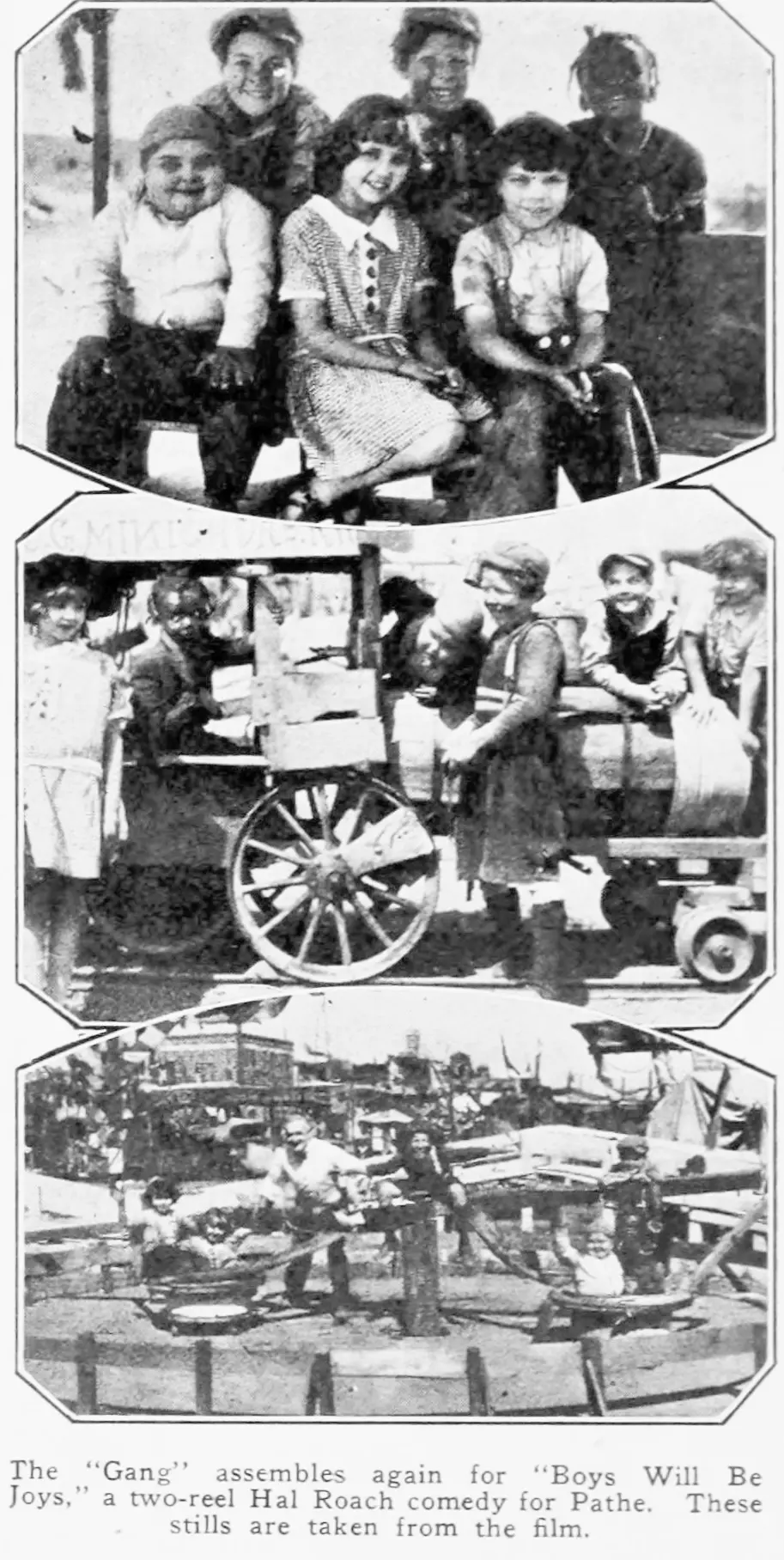
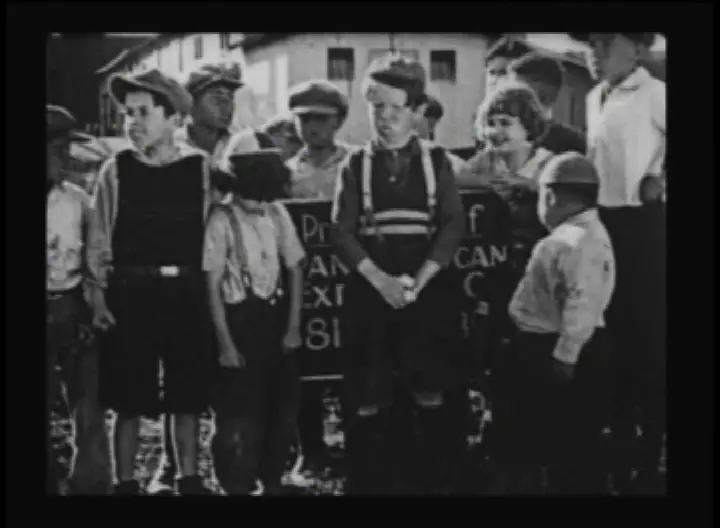
Adults have the Pike and Coney Island amusement parks, so the rascals put up their own rides in a large vacant lot. Mickey's got big plans for expansion when surveyors show up to begin work on a factory. The gang travels by donkey cart to the office of Henry Mills, President of Pan American Export Company, to protest. Henry, in his 60s, is still a boy at heart: he has his chauffeur stop the car so he can join a sandlot game. He bails on a meeting with his board of directors, going with the kids to the factory site where he stops the workers and helps our gang add more rides. The directors follow him, and they get put to work. Will they ever have their meeting?
Decades after its release, Boys Will Be Joys remains a vital piece of the cinematic puzzle. Its influence can be seen in countless modern works, solidifying Robert F. McGowan's status as a master of the craft in United States and beyond.