
DbcultAccessing Vault...
Director's Spotlight
Senior Film Conservator
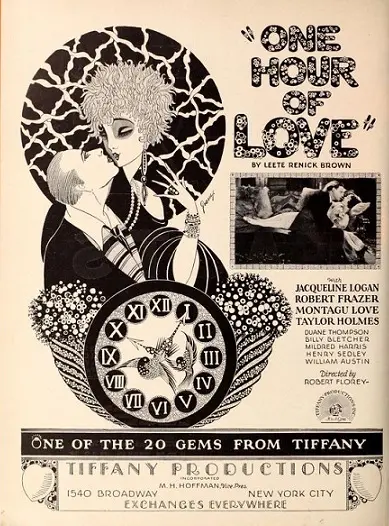
Director's Spotlight: United States
A Deep Dive into the 1927 Vision of Robert Florey
The Drama DNA of One Hour of Love is a reflection of United States's the historical context that Robert Florey weaves into the Drama fabric. Challenging the viewer to find meaning in the Drama shadows, it transcends regional boundaries to tell a universal story.
In One Hour of Love, Robert Florey pushes the boundaries of conventional narrative. The film's unique approach to its subject matter has sparked endless debates and interpretations among cinephiles and critics alike.
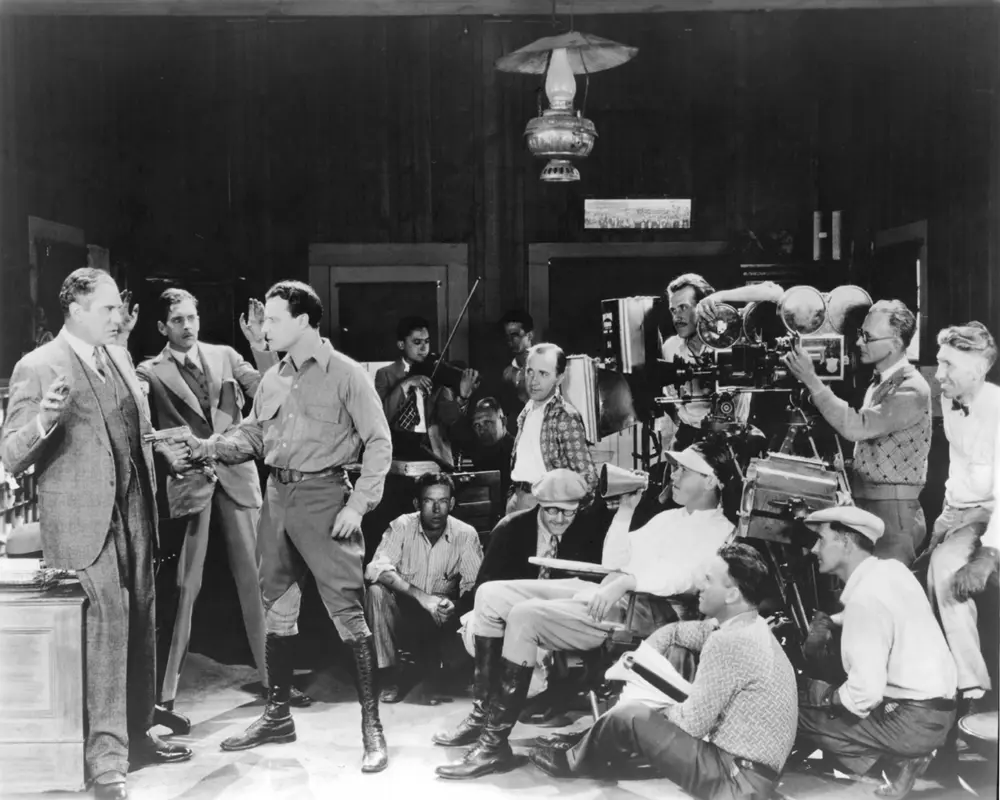
The visual language of One Hour of Love is defined by its use of shadows and framing, a hallmark of Robert Florey's style. By utilizing a 1927-era palette, the film creates an immersive experience that perfectly complements its Drama themes.
| Cinematography | High-Contrast |
| Soundtrack | Minimalist |
| Editing | Slow-Burn |
| Art Direction | Brutalist |
Visualizing the convergence of Robert Florey's style and the core Drama narrative.
Jerry McKay (Jacqueline Logan), a spoiled and willful society girl, on the eve of a flighty engagement, decides to accompany her father to inspect some property he owns, managed by a handsome young engineer, James Warren (Robert Frazer). Jerry demonstrates her prowess as a marksman, though Warren has forbidden the use of firearms; and Tom Webb (Henry Sedley), an unscrupulous rancher, accuses Warren of inciting his men against him. Warren's stern rebuking infuriates Jerry, and she bets her friends that she can get him to propose within a week. She succeeds in winning his approval and then falls in love with him, but they are temporarily parted when he learns of the wager. She returns, however, to seek his forgiveness.
Decades after its release, One Hour of Love remains a vital piece of the cinematic puzzle. Its influence can be seen in countless modern works, solidifying Robert Florey's status as a master of the craft in United States and beyond.