
DbcultAccessing Vault...
Director's Spotlight
Senior Film Conservator
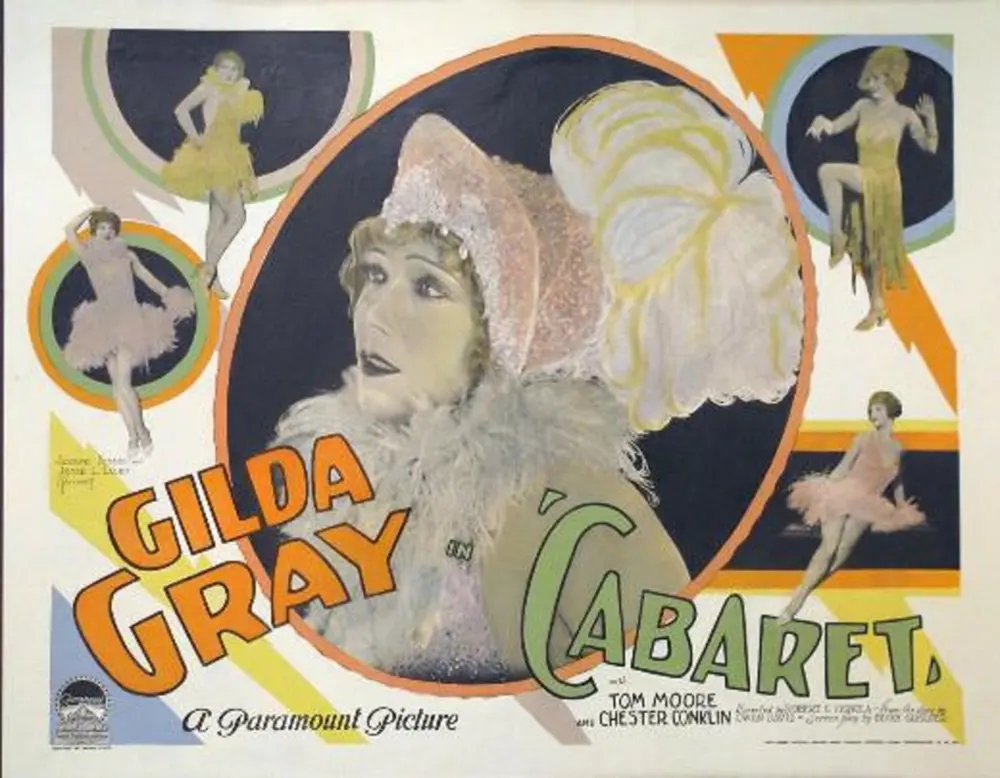
Director's Spotlight: United States
A Deep Dive into the 1927 Vision of Robert G. Vignola
Peeling back the layers of Robert G. Vignola's Cabaret exposes the collaborative alchemy between Robert G. Vignola and the 1927 creative team. Anchored by a narrative that is both personal and universal, it reinforces the idea that cinema is a medium of infinite possibilities.
In Cabaret, Robert G. Vignola pushes the boundaries of conventional narrative. The film's unique approach to its subject matter has sparked endless debates and interpretations among cinephiles and critics alike.
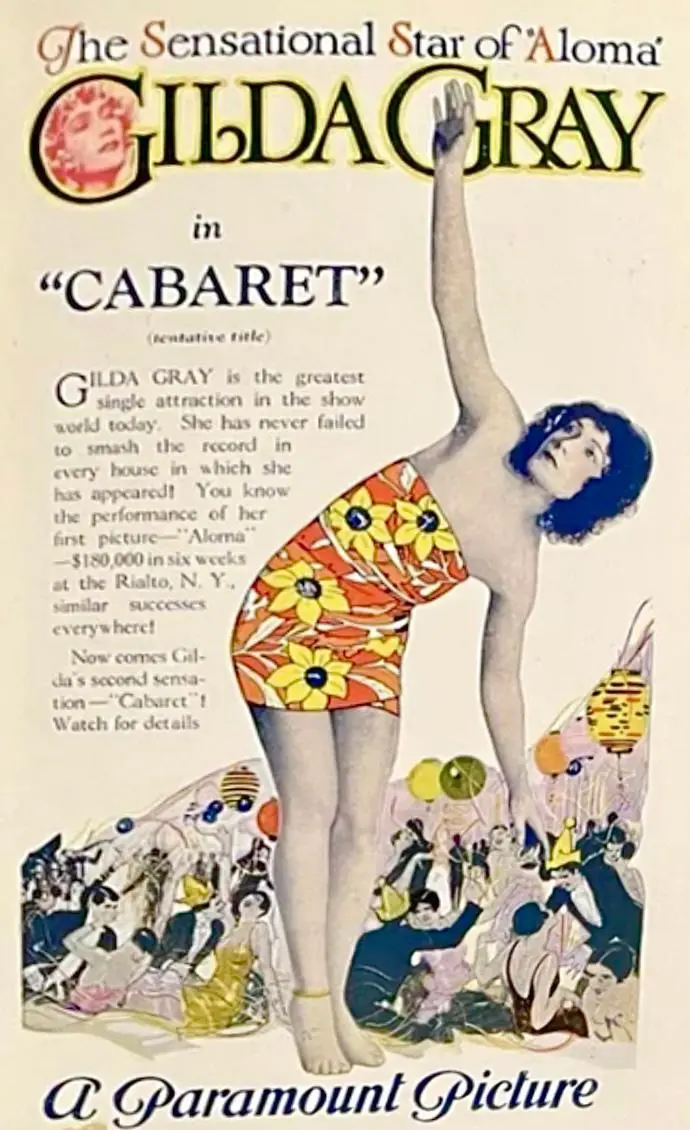
In this work, Robert G. Vignola explores the intersection of Crime and United States cultural identity. The meticulous attention to detail suggests a deep-seated commitment to pushing the boundaries of the medium, ensuring that Cabaret remains a relevant topic of study for Crime enthusiasts.
| Cinematography | Noir-Inspired |
| Soundtrack | Synth-Heavy |
| Editing | Rhythmic |
| Art Direction | Naturalist |
Visualizing the convergence of Robert G. Vignola's style and the core Crime narrative.
Gloria Trask, who has risen from a squalid East Side environment to stardom in Costigan's nightclub, is admired by Tom Westcott, detective, and Sam Roberts, a gangster with whom her brother is involved. Andy, threatened by the gang, is forced to pay off, and in a showdown in Gloria's dressing room, Andy shoots Roberts in self-defense. Gloria helps her brother to leave on a South American liner, while Tom forces Roberts' girlfriend Blanche to admit to witnessing the crime. Blanche insists that it was murder, but Tom forces her to admit that Roberts had a gun by accusing her of the killing.
Decades after its release, Cabaret remains a vital piece of the cinematic puzzle. Its influence can be seen in countless modern works, solidifying Robert G. Vignola's status as a master of the craft in United States and beyond.