
DbcultAccessing Vault...
Director's Spotlight
Senior Film Conservator
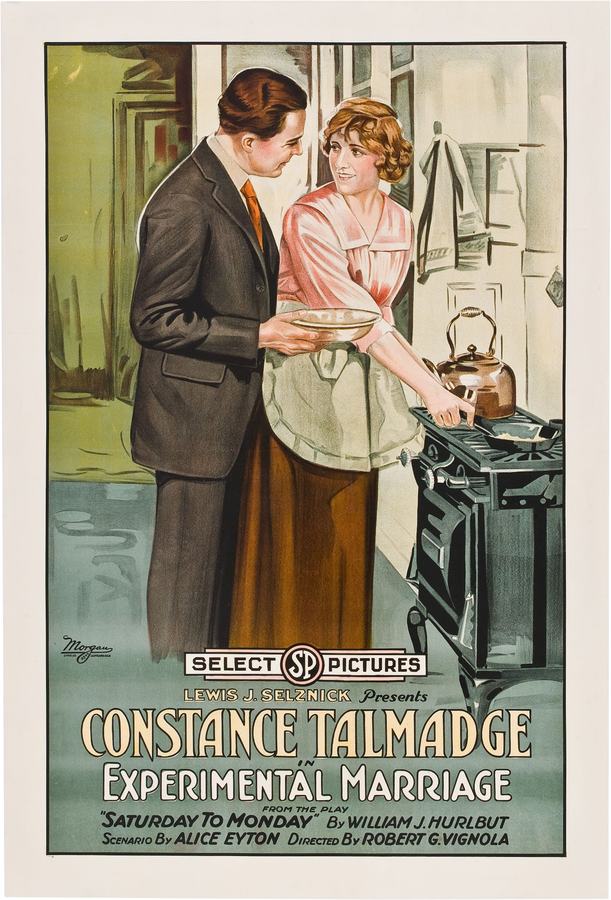
Director's Spotlight: United States
A Deep Dive into the 1919 Vision of Robert G. Vignola
The artistic breakthrough represented by Experimental Marriage in 1919 highlights the uncompromising vision of Robert G. Vignola that defines this cult masterpiece. In the context of United States's rich cinematic history, it captures a specific kind of cinematic magic that is rarely replicated.
In Experimental Marriage, Robert G. Vignola pushes the boundaries of conventional narrative. The film's unique approach to its subject matter has sparked endless debates and interpretations among cinephiles and critics alike.
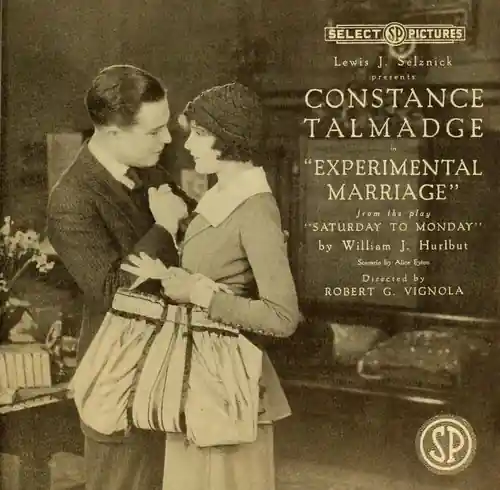
The visual language of Experimental Marriage is defined by its use of shadows and framing, a hallmark of Robert G. Vignola's style. By utilizing a 1919-era palette, the film creates an immersive experience that perfectly complements its cult themes.
| Cinematography | Handheld |
| Soundtrack | Experimental |
| Editing | Invisible |
| Art Direction | Kitsch |
Visualizing the convergence of Robert G. Vignola's style and the core cult narrative.
Because he does not want to lose feminist Suzanne Ercoll, lawyer Foxcroft Grey unhappily accepts her proposal that they marry but live together only from Saturday until Monday, leaving each free to live as he pleases the rest of the week, no questions asked. On their first Monday morning together, after Suzanne leaves Foxcroft's apartment, Foxcroft helps his upstairs neighbor Charlie Hamilton, who after an all-night party dared Dot Harrington to stay and cook breakfast, to get Dot out of the building without being seen. Suzanne returns shortly after and sees Dot coming out of Foxcroft's bedroom. When Foxcroft says nothing, Suzanne tries to make him jealous by arranging for him to find her in a playwright's bungalow, but Foxcroft sees through her scheme and remains unmoved. After a feminist delegation presents Suzanne with an award, Foxcroft finds her in tears wanting to end the arrangement, and they begin to live conventionally.
Decades after its release, Experimental Marriage remains a vital piece of the cinematic puzzle. Its influence can be seen in countless modern works, solidifying Robert G. Vignola's status as a master of the craft in United States and beyond.