
DbcultAccessing Vault...
Director's Spotlight
Senior Film Conservator
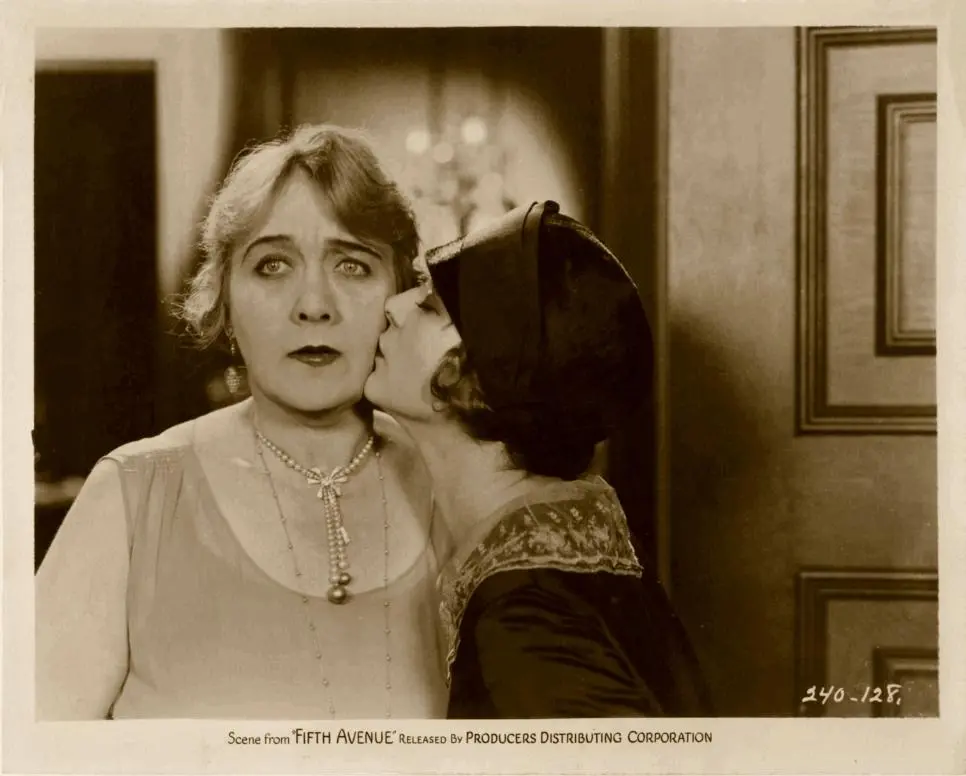
Director's Spotlight: United States
A Deep Dive into the 1926 Vision of Robert G. Vignola
To understand the modern evolution of United States film, one must first look at Fifth Avenue and the meticulous attention to detail that Robert G. Vignola applied to every frame. Reflecting the political and social shifts of the 1926s, it showcases the power of Drama as a tool for social commentary.
In Fifth Avenue, Robert G. Vignola pushes the boundaries of conventional narrative. The film's unique approach to its subject matter has sparked endless debates and interpretations among cinephiles and critics alike.
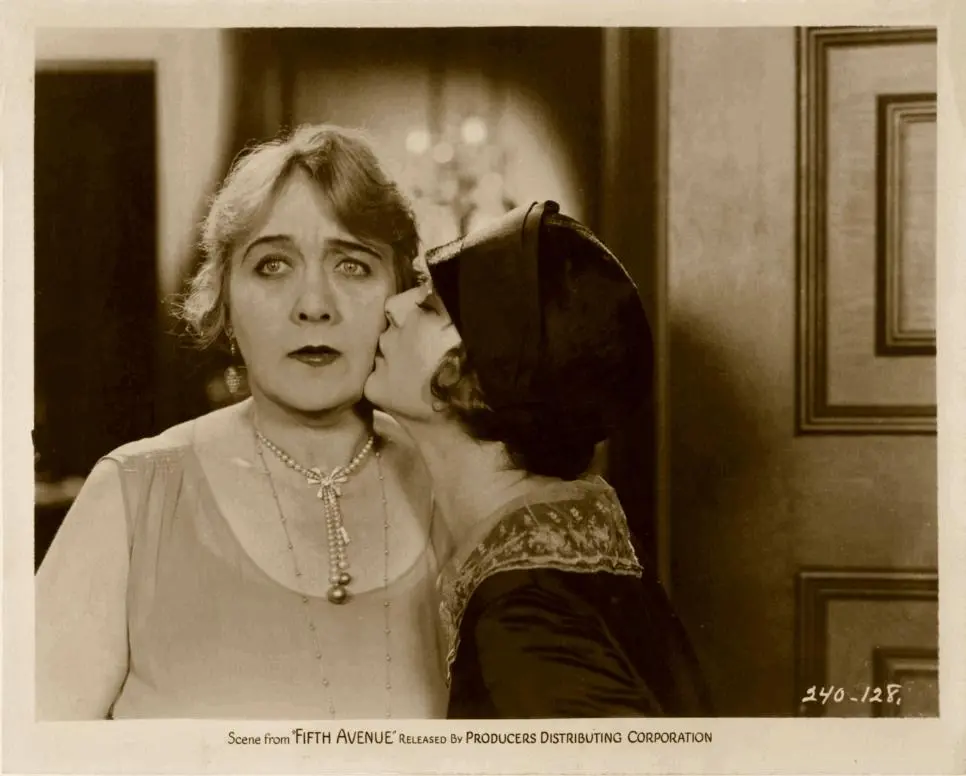
To fully appreciate Fifth Avenue, one must consider the cinematic climate of 1926. During this period, United States was undergoing significant artistic shifts, and Robert G. Vignola was at the forefront of this Drama movement, often challenging established norms.
| Cinematography | High-Contrast |
| Soundtrack | Orchestral |
| Editing | Invisible |
| Art Direction | Kitsch |
Visualizing the convergence of Robert G. Vignola's style and the core Drama narrative.
When her cotton crop is burned, Barbara Pelham, a beautiful southern girl, comes to New York to find work as a fashion designer, staying with Mrs. Kemp, a woman she meets on the northbound train. In Mrs. Kemp's house, Barbara encounters Peter Heffner, a wealthy stockbroker, and discovers from him that she has taken up residence in a whorehouse. There is a police raid, but Barbara escapes arrest and returns home. Heffner's son, Neil, goes south to inspect some family property and there meets Barbara, with whom he falls in love. They decide to be married, and she accompanies him to New York, where she meets the elder Heffner for a second time. He denounces her as a whore, but Barbara goes to Mrs. Kemp, who explains the misunderstanding to everyone's satisfaction.
Decades after its release, Fifth Avenue remains a vital piece of the cinematic puzzle. Its influence can be seen in countless modern works, solidifying Robert G. Vignola's status as a master of the craft in United States and beyond.