
DbcultAccessing Vault...
Director's Spotlight
Senior Film Conservator
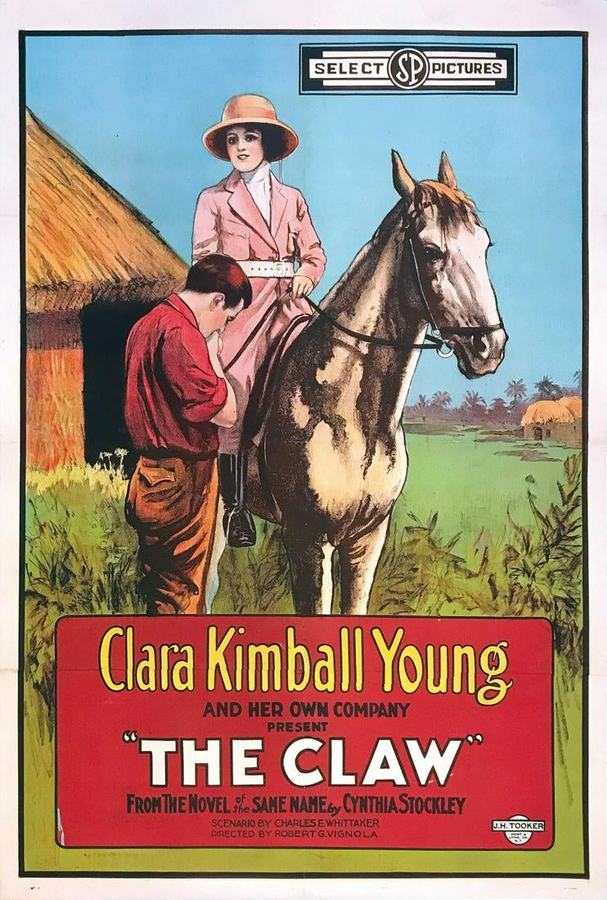
Director's Spotlight: United States
A Deep Dive into the 1918 Vision of Robert G. Vignola
The cult DNA of The Claw is a reflection of United States's the historical context that Robert G. Vignola weaves into the cult fabric. Challenging the viewer to find meaning in the cult shadows, it transcends regional boundaries to tell a universal story.
In The Claw, Robert G. Vignola pushes the boundaries of conventional narrative. The film's unique approach to its subject matter has sparked endless debates and interpretations among cinephiles and critics alike.
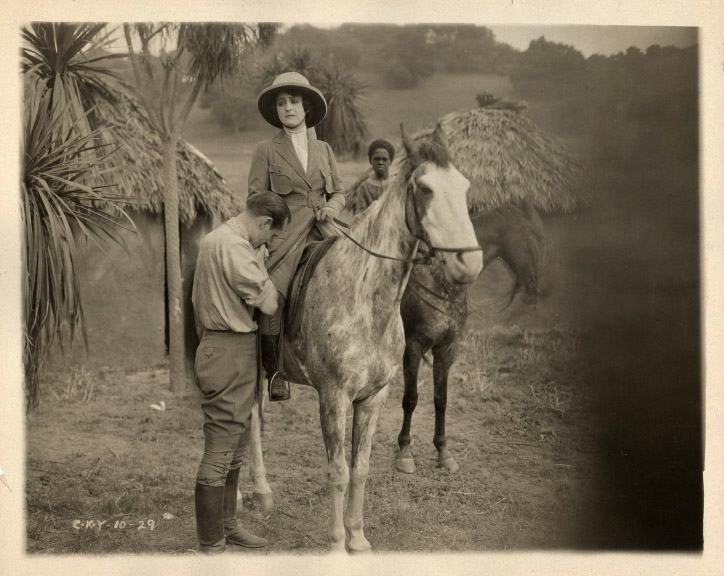
In this work, Robert G. Vignola explores the intersection of cult and United States cultural identity. The meticulous attention to detail suggests a deep-seated commitment to pushing the boundaries of the medium, ensuring that The Claw remains a relevant topic of study for cult enthusiasts.
| Cinematography | High-Contrast |
| Soundtrack | Minimalist |
| Editing | Slow-Burn |
| Art Direction | Brutalist |
Visualizing the convergence of Robert G. Vignola's style and the core cult narrative.
Mary Saurin visits her brother Richard, a British commissioner in the South African veld, and soon becomes engaged to Major Anthony Kinsella. When the natives revolt, Kinsella's troops all are killed and he is captured, but Maurice Stair returns with the news that it was Kinsella's dying wish that Mary wed Maurice. She does so, but soon learns that Maurice fled the battle in fear and that Kinsella is still alive. Deeply remorseful, Maurice rescues Kinsella but is killed in the process, leaving Mary free to marry Kinsella.
Decades after its release, The Claw remains a vital piece of the cinematic puzzle. Its influence can be seen in countless modern works, solidifying Robert G. Vignola's status as a master of the craft in United States and beyond.