
DbcultAccessing Vault...
Director's Spotlight
Senior Film Conservator
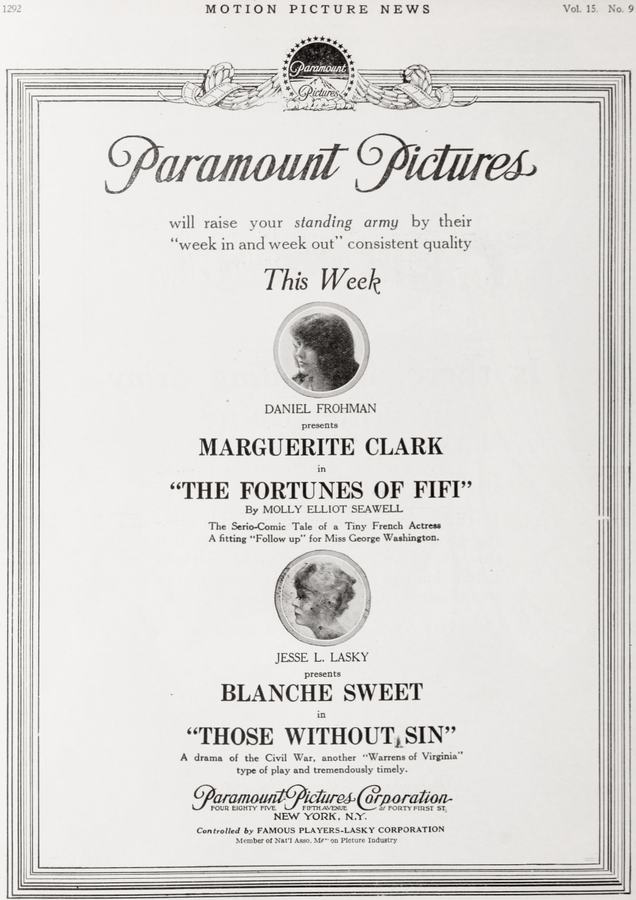
Director's Spotlight: United States
A Deep Dive into the 1917 Vision of Robert G. Vignola
The 1917 release of The Fortunes of Fifi marked a significant moment for the enduring legacy of Robert G. Vignola's artistic contribution to the genre. By challenging the status quo of 1917 cinema, it has cemented its place in the global cult cinema archive.
In The Fortunes of Fifi, Robert G. Vignola pushes the boundaries of conventional narrative. The film's unique approach to its subject matter has sparked endless debates and interpretations among cinephiles and critics alike.
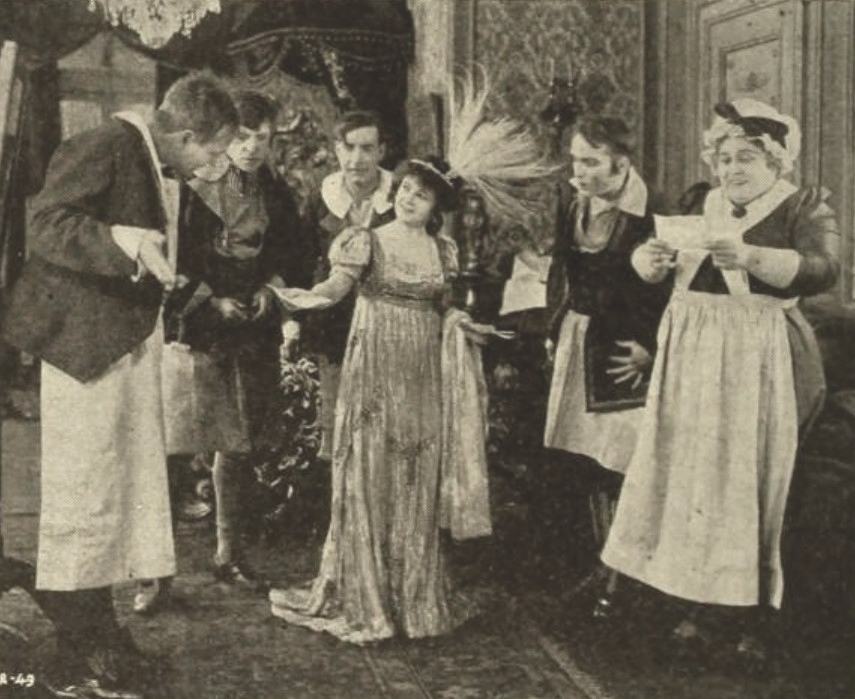
To fully appreciate The Fortunes of Fifi, one must consider the cinematic climate of 1917. During this period, United States was undergoing significant artistic shifts, and Robert G. Vignola was at the forefront of this cult movement, often challenging established norms.
| Cinematography | Noir-Inspired |
| Soundtrack | Diegetic |
| Editing | Elliptical |
| Art Direction | Expressionist |
Visualizing the convergence of Robert G. Vignola's style and the core cult narrative.
Fifi is seen as Pierrot in a French play that is a failure despite her effort to put ginger into the rest of the cast. Among the few in the last audience was Cartouche, a veteran, who had become an actor when his wounds no longer allowed him to follow Napoleon. Through Cartouche's efforts Fifi is employed at the Imperial theater in Parts. He takes her to his lodging, determined to protect her. Fifi fails to understand how much Cartouche is doing for her, and when he gives her money to buy clothes she purchases a toy dog sailed Toto. The veteran buys a lottery ticket and gives it to Fifi. The ticket bears the winning number and Fifi finds herself in possession of a fortune. Cartouche decides Fifi must be educated. He applies to his old general, who suggests that Fifi be sent to the home of Louis Bourcet, an attorney who lives alone with his mother. Instead of putting her money in the bank Fifi hides it and startles the Bourcet family by her extravagance. They decide she has even more money than they thought and Louis begins to see in the wealthy Fifi a very acceptable wife. He makes love to the girl, and she accepts his proffer. Then she sets about to make him break the engagement by squandering her money, realizing she is in love with Cartouche. Accordingly she buys the most impossible things, scandalizing the Bourcet family into a complete renunciation by giving the remainder of her wealth to a charitable benefit for old soldiers. Ejected from the house by the angry Mme. Bourcet, Fifi returns to the Imperial, where she demands more money for her services because she has been publicly thanked by the General for her donation to charity. She tells Cartouche she loves him, but the old soldier refuses. to permit her to "throw herself away" upon him until Fifi gets an inspiration of her own.
Decades after its release, The Fortunes of Fifi remains a vital piece of the cinematic puzzle. Its influence can be seen in countless modern works, solidifying Robert G. Vignola's status as a master of the craft in United States and beyond.