
DbcultAccessing Vault...
Director's Spotlight
Senior Film Conservator
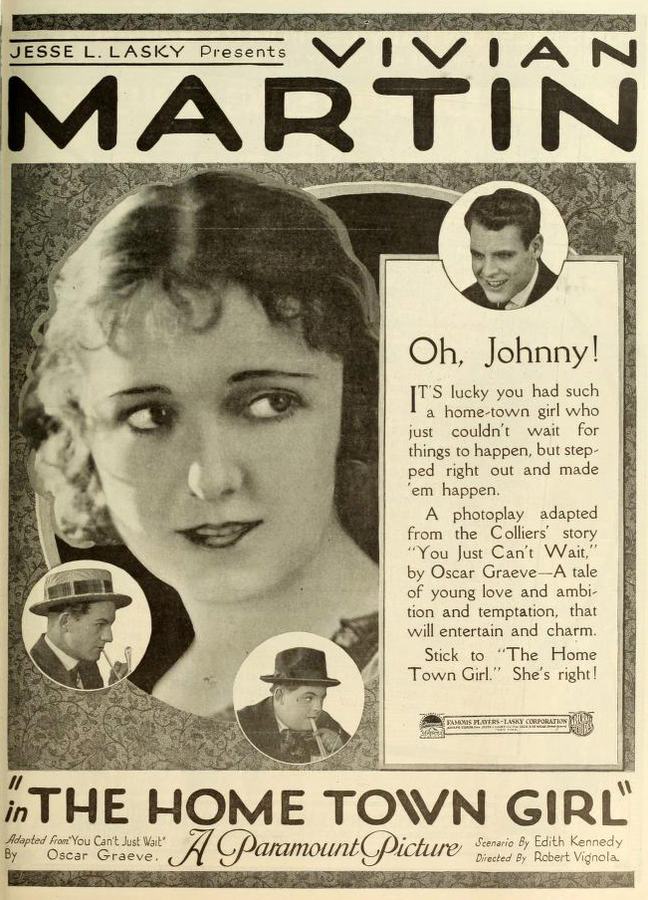
Director's Spotlight: United States
A Deep Dive into the 1919 Vision of Robert G. Vignola
The 1919 release of The Home Town Girl marked a significant moment for the stylistic boundaries pushed by Robert G. Vignola during the production. In the context of United States's rich cinematic history, it invites us to question our own perceptions of cult narratives.
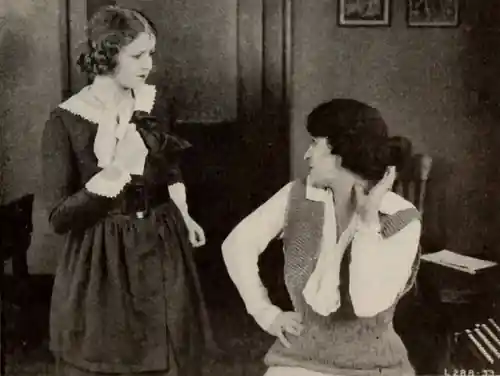
In The Home Town Girl, Robert G. Vignola pushes the boundaries of conventional narrative. The film's unique approach to its subject matter has sparked endless debates and interpretations among cinephiles and critics alike.
| Cinematography | Static |
| Soundtrack | Minimalist |
| Editing | Disjunctive |
| Art Direction | Baroque |
Visualizing the convergence of Robert G. Vignola's style and the core cult narrative.
A young bank clerk wants to marry her, but Nell Fanshawe decides that soda clerk John Stanley is the one for her. Because John does not have enough money to marry, however, Nell encourages him to go to New York, where he becomes a successful antique salesman for Jellaby and Co. Steve Ratling, a vindictive discharged salesman, convinces John to gamble the $300 he took in on a large sale, because he didn't get a deserved raise. After John loses the money, he disappears, leaving a note to Jellaby saying that his pocket was picked, but that he will repay the money. When detectives visit Nell, she goes to New York, works for Jellaby, and searches for John at soda fountains throughout the city. After she catches stenographer Nan Powderly opening a letter from John with $20 enclosed, Nell traces him. Although she is disappointed to learn that he lost the money gambling, after John confesses, both Nell and Jellaby give him another chance.
Decades after its release, The Home Town Girl remains a vital piece of the cinematic puzzle. Its influence can be seen in countless modern works, solidifying Robert G. Vignola's status as a master of the craft in United States and beyond.