
DbcultAccessing Vault...
Director's Spotlight
Senior Film Conservator
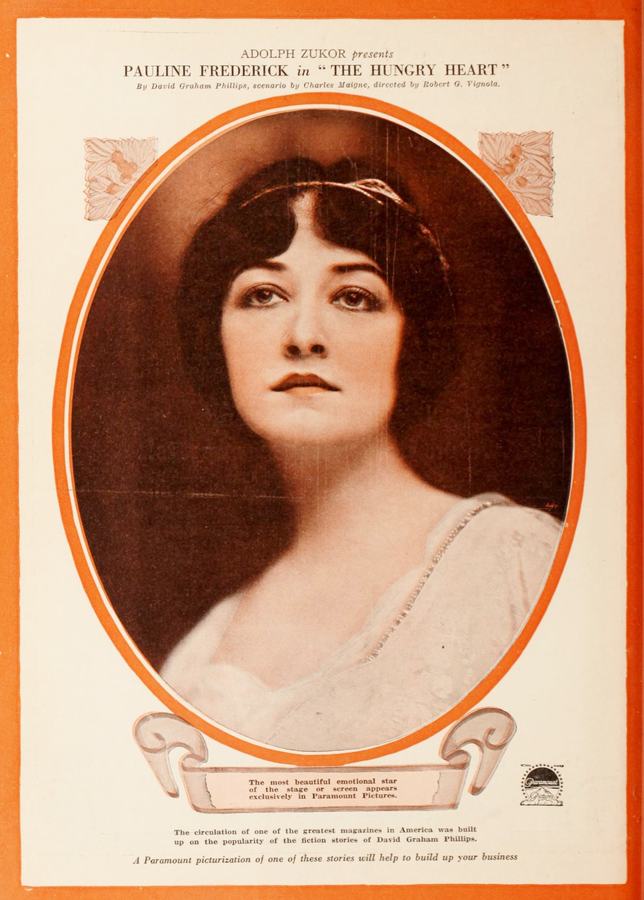
Director's Spotlight: United States
A Deep Dive into the 1917 Vision of Robert G. Vignola
Witnessing the stylistic transformation of cult through The Hungry Heart reveals the global recognition that Robert G. Vignola garnered after the release of The Hungry Heart. Serving as a mirror to the anxieties of a changing world, offering layers of thematic complexity that demand repeated viewing.
In The Hungry Heart, Robert G. Vignola pushes the boundaries of conventional narrative. The film's unique approach to its subject matter has sparked endless debates and interpretations among cinephiles and critics alike.
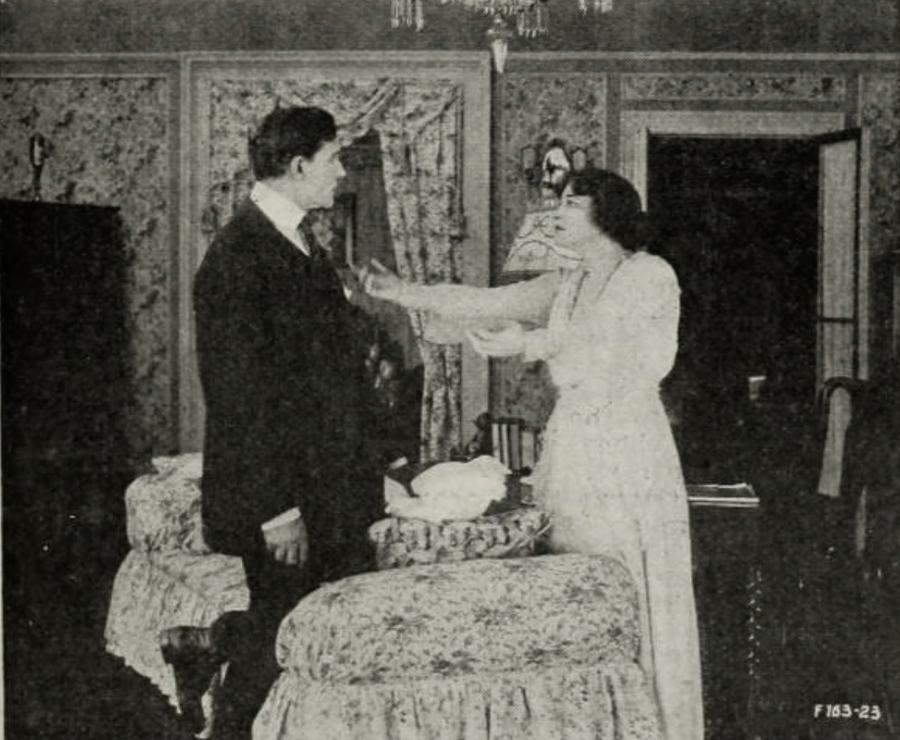
The visual language of The Hungry Heart is defined by its use of shadows and framing, a hallmark of Robert G. Vignola's style. By utilizing a 1917-era palette, the film creates an immersive experience that perfectly complements its cult themes.
| Cinematography | High-Contrast |
| Soundtrack | Minimalist |
| Editing | Disjunctive |
| Art Direction | Baroque |
Visualizing the convergence of Robert G. Vignola's style and the core cult narrative.
After their wedding, Richard Vaughan and his wife Courtney take up residence in Richard's ancestral home. Courtney, despised by Nanny, the old housekeeper, and neglected by her husband, who buries himself in his chemical experiments, leads a lonely life. Consequently, when experimental chemist Basil Gallatin pays a lengthy visit to the Vaughan home, Courtney finds herself attracted to him. One day, during Richard's absence, a burglar alarm places Courtney and Gallatin in a compromising situation. Witnessing their embrace, Nanny is struck speechless, but when Richard returns she recovers her speech and gives damning evidence against Courtney. Gallatin flees, and Richard, realizing his culpability, gives his wife a divorce. Having read of the divorce, Gallatin returns and Courtney admonishes Richard to kill them both. Richard frightens Gallatin away with the threat of exploding one of his compounds, but Courtney defies death and remains. A reconciliation between husband and wife then follows.
Decades after its release, The Hungry Heart remains a vital piece of the cinematic puzzle. Its influence can be seen in countless modern works, solidifying Robert G. Vignola's status as a master of the craft in United States and beyond.