
DbcultAccessing Vault...
Director's Spotlight
Senior Film Conservator
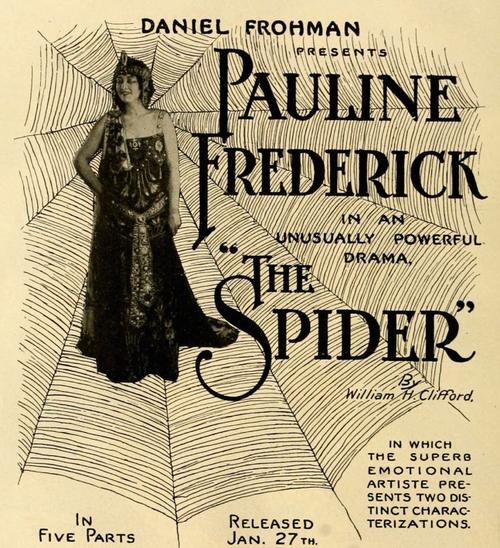
Director's Spotlight: United States
A Deep Dive into the 1916 Vision of Robert G. Vignola
The evocative power of The Spider stems from the unique collaboration between the subversive storytelling techniques employed by Robert G. Vignola in 1916. Synthesizing the best elements of United States and international cinema, it reminds us of the fragility and beauty of the 1916s.
In The Spider, Robert G. Vignola pushes the boundaries of conventional narrative. The film's unique approach to its subject matter has sparked endless debates and interpretations among cinephiles and critics alike.
While deeply rooted in United States, The Spider has achieved a global reach, influencing directors from various backgrounds. Its ability to translate cult tropes into a universal cinematic language is why it remains a cult staple decades after its 1916 release.
| Cinematography | Deep Focus |
| Soundtrack | Minimalist |
| Editing | Slow-Burn |
| Art Direction | Brutalist |
Visualizing the convergence of Robert G. Vignola's style and the core cult narrative.
Valerie St. Cyr, seizes a chance for excitement and money, deserts her infant daughter Joan and her impoverished husband and runs away to Paris with the Count Du Poissy. Years later, without knowing that they are mother and daughter, both Valerie and Joan fall in love with artist Julian St. Saens, who rejects the former but becomes engaged to the latter. Enraged, Valerie convinces the count to kidnap Joan, but after she is captured, Joan stabs the count to death. When Valerie learns that Joan is her daughter, she takes the blame for the murder and goes to the guillotine while Joan, still unaware that Valerie is her mother, makes plans with Julian for their marriage.
Decades after its release, The Spider remains a vital piece of the cinematic puzzle. Its influence can be seen in countless modern works, solidifying Robert G. Vignola's status as a master of the craft in United States and beyond.