
DbcultAccessing Vault...
Director's Spotlight
Senior Film Conservator
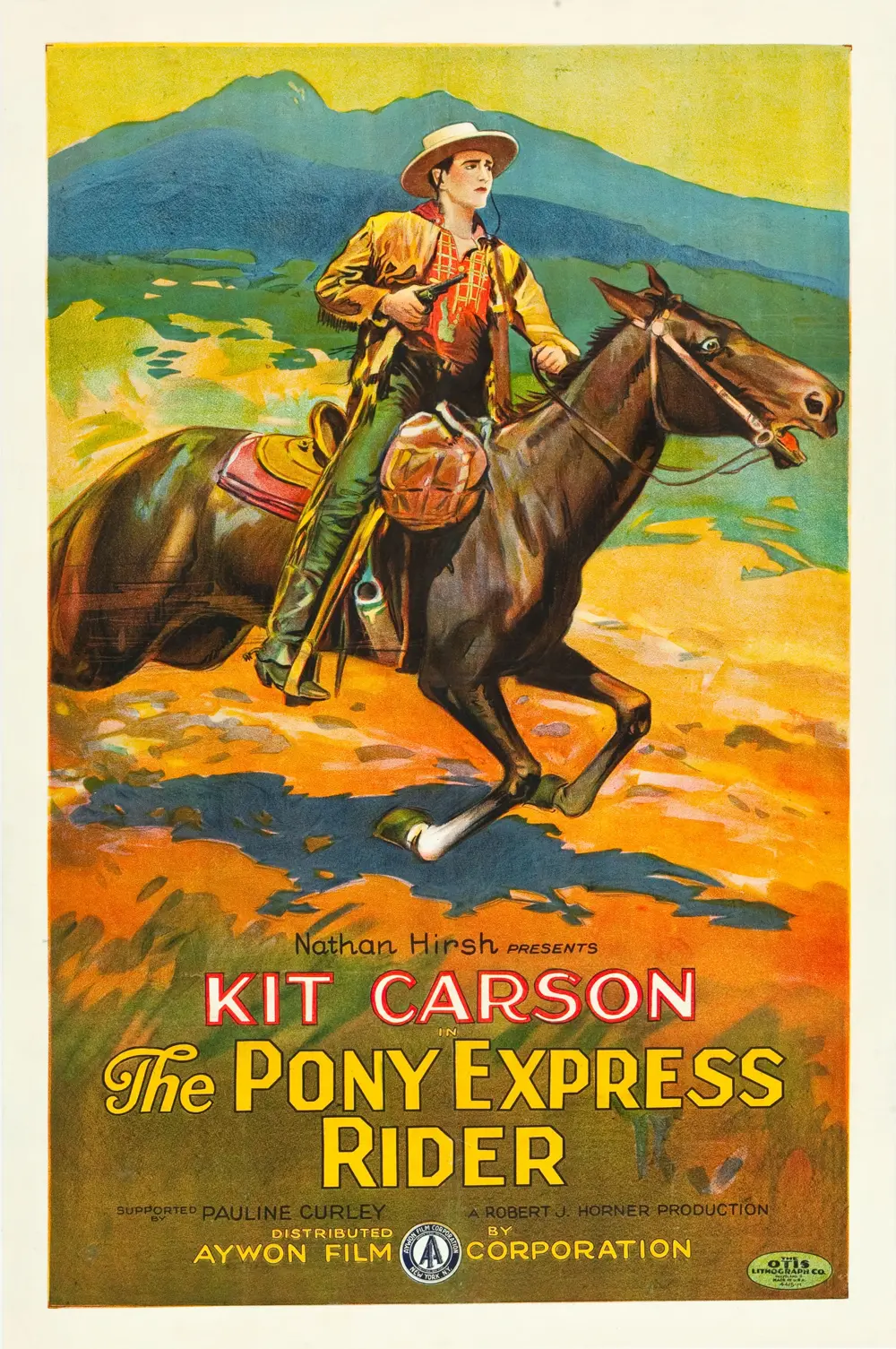
Director's Spotlight: United States
A Deep Dive into the 1926 Vision of Robert J. Horner
The thematic gravity of Pony Express Rider (1926) is rooted in the historical context that Robert J. Horner weaves into the Drama fabric. Synthesizing the best elements of United States and international cinema, it highlights the importance of independent voices in United States.
In Pony Express Rider, Robert J. Horner pushes the boundaries of conventional narrative. The film's unique approach to its subject matter has sparked endless debates and interpretations among cinephiles and critics alike.
In this work, Robert J. Horner explores the intersection of Drama and United States cultural identity. The meticulous attention to detail suggests a deep-seated commitment to pushing the boundaries of the medium, ensuring that Pony Express Rider remains a relevant topic of study for Drama enthusiasts.
| Cinematography | Handheld |
| Soundtrack | Orchestral |
| Editing | Slow-Burn |
| Art Direction | Brutalist |
Visualizing the convergence of Robert J. Horner's style and the core Drama narrative.
Bill Miller, youngest member of the notorious Range Riders, gets job as pony express rider. Indians become dangerous on the war path. Bill forestalls plan of a bandit chief to rob mails while trying to win the love of a girl and the respect of "Uncle Sam."
Decades after its release, Pony Express Rider remains a vital piece of the cinematic puzzle. Its influence can be seen in countless modern works, solidifying Robert J. Horner's status as a master of the craft in United States and beyond.