
DbcultAccessing Vault...
Director's Spotlight
Senior Film Conservator
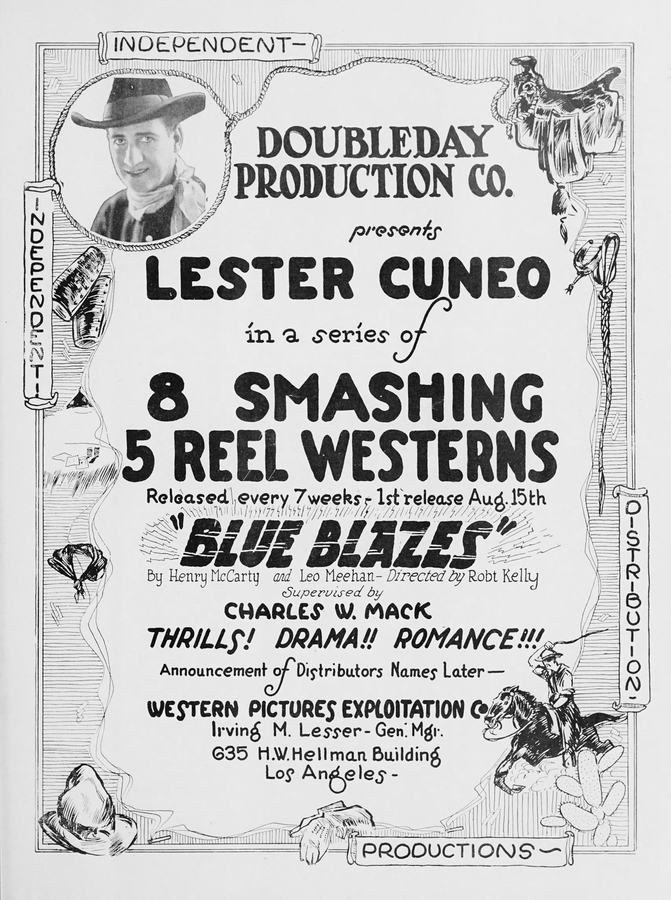
Director's Spotlight: United States
A Deep Dive into the 1921 Vision of Robert Kelly
Analyzing Blue Blazes (1921) requires a deep dive into the unique directorial voice that Robert Kelly brought to the screen. By challenging the status quo of 1921 cinema, it continues to spark endless debates among critics and cinephiles alike.
In Blue Blazes, Robert Kelly pushes the boundaries of conventional narrative. The film's unique approach to its subject matter has sparked endless debates and interpretations among cinephiles and critics alike.
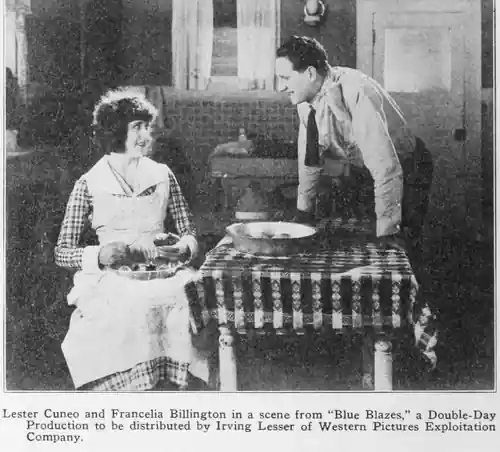
In this work, Robert Kelly explores the intersection of Western and United States cultural identity. The meticulous attention to detail suggests a deep-seated commitment to pushing the boundaries of the medium, ensuring that Blue Blazes remains a relevant topic of study for Western enthusiasts.
| Cinematography | High-Contrast |
| Soundtrack | Orchestral |
| Editing | Invisible |
| Art Direction | Kitsch |
Visualizing the convergence of Robert Kelly's style and the core Western narrative.
Jerry Connors, tired of the flattery that goes with success as a champion fighter, jumps a train to the West, gets left at a wayside station, is robbed by tramps, and disguised as one of them asks for food at a neighboring ranch. He soon finds that the girl and her mother are in trouble over the mortgage and the villain is seeking to force the girl to marry him. He decides to stick, and after the many vicissitudes outlined above, succeeds in getting the best of the villain and winning back the valuable oil property. He then discloses the fact that he is not a tramp but a wealthy pugilist, and all ends happily.
Decades after its release, Blue Blazes remains a vital piece of the cinematic puzzle. Its influence can be seen in countless modern works, solidifying Robert Kelly's status as a master of the craft in United States and beyond.