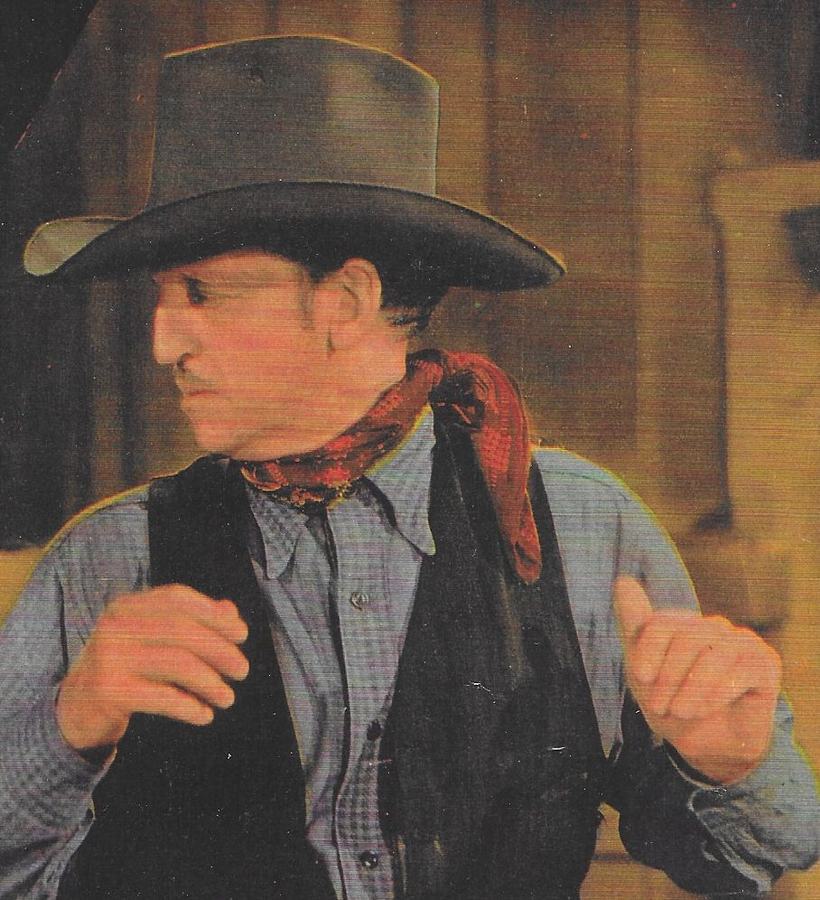
Jerry Connors, tired of the flattery that goes with success as a champion fighter, jumps a train to the West, gets left at a wayside station, is robbed by tramps, and disguised as one of them asks for food at a neighboring ranch. He soon finds that the girl and her mother are in trouble over the mortgage and the villain is seeking to force the girl to marry him.
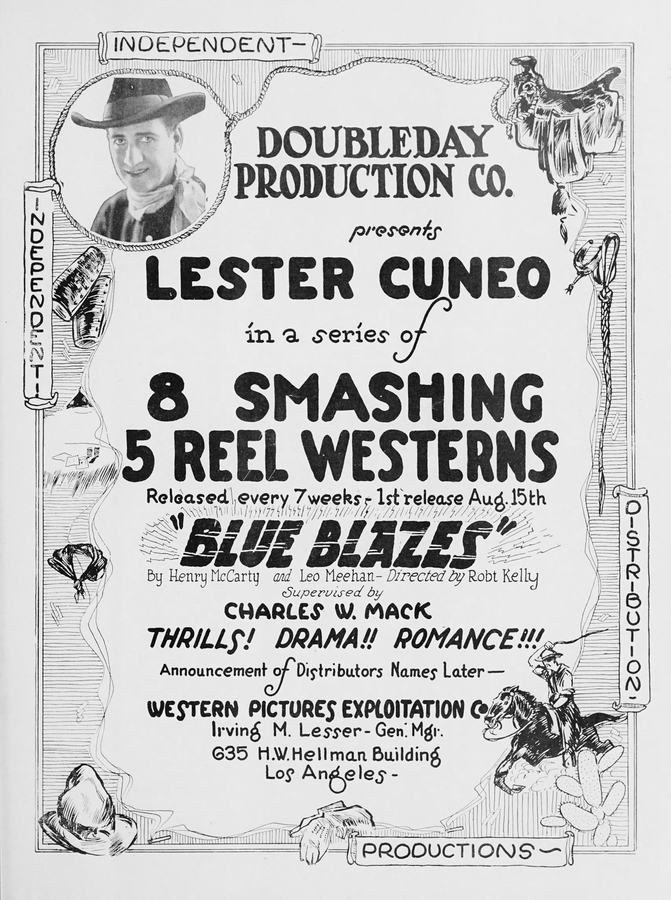
Blue Blazes (1927) is a cinematic relic that marries the rugged individualism of the American West with the visceral energy of boxing, stitched together by the unflinching gaze of its protagonist. Roy Watson’s Jerry Connors isn’t merely a fighter; he’s a man adrift in the wake of his own success, seeking authentic...
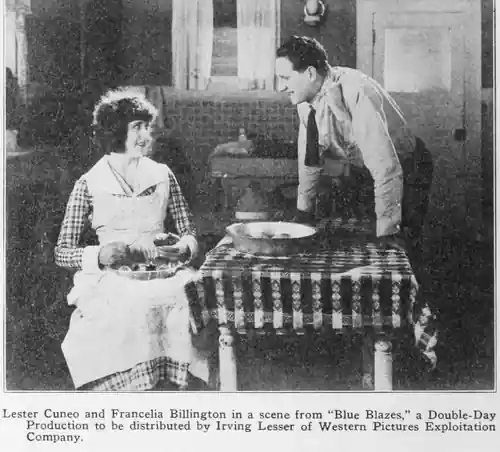
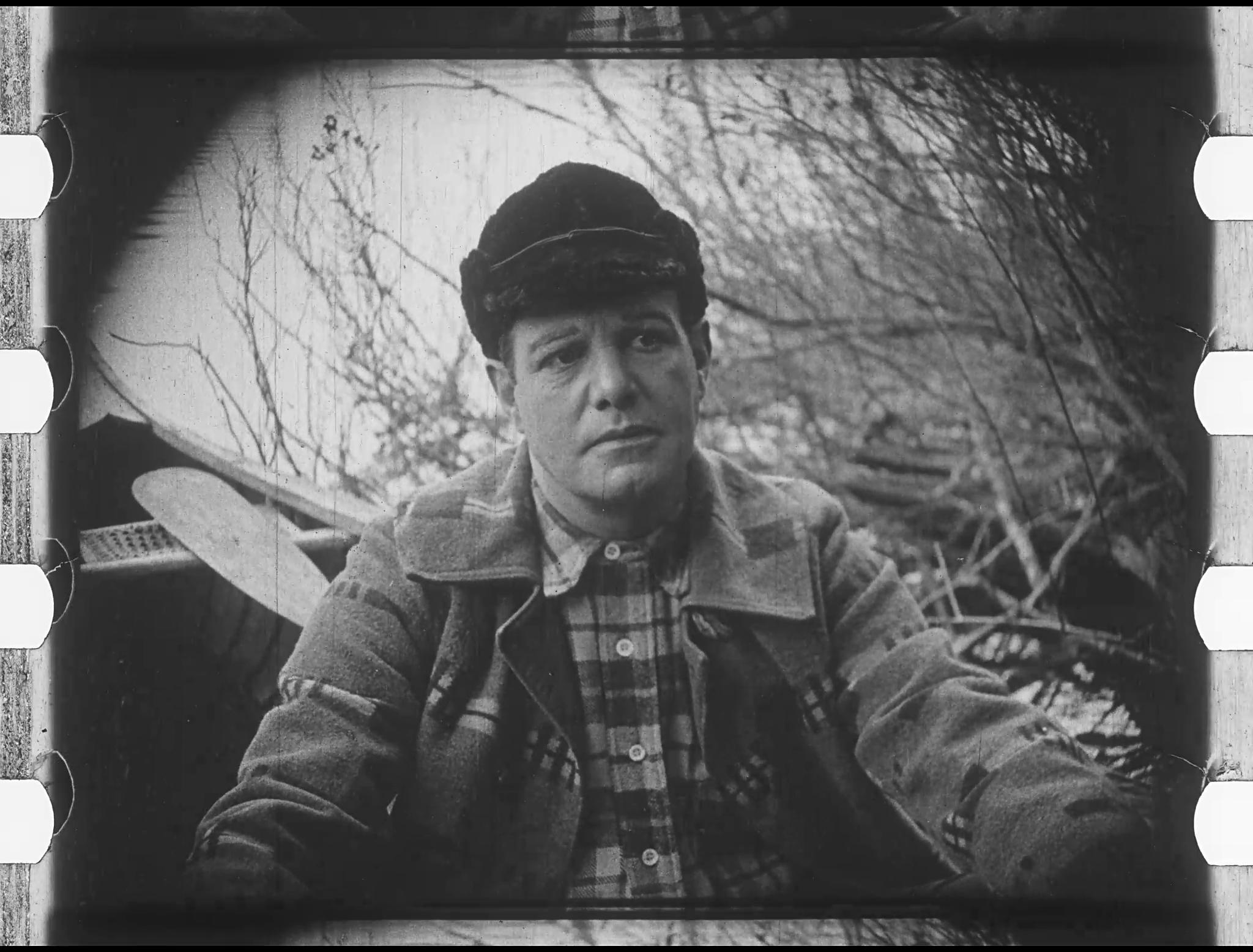
still_frame
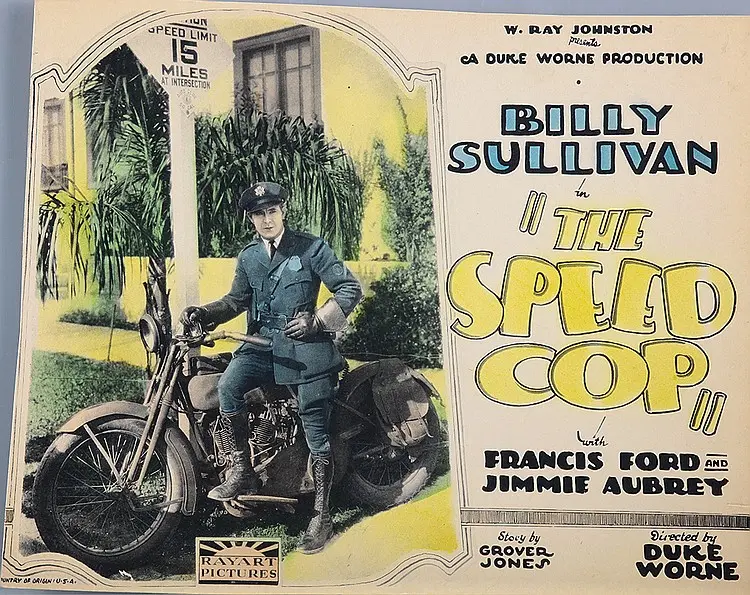
Comparing the cinematic DNA and archive impact of two defining moments in cult history.
Robert Kelly
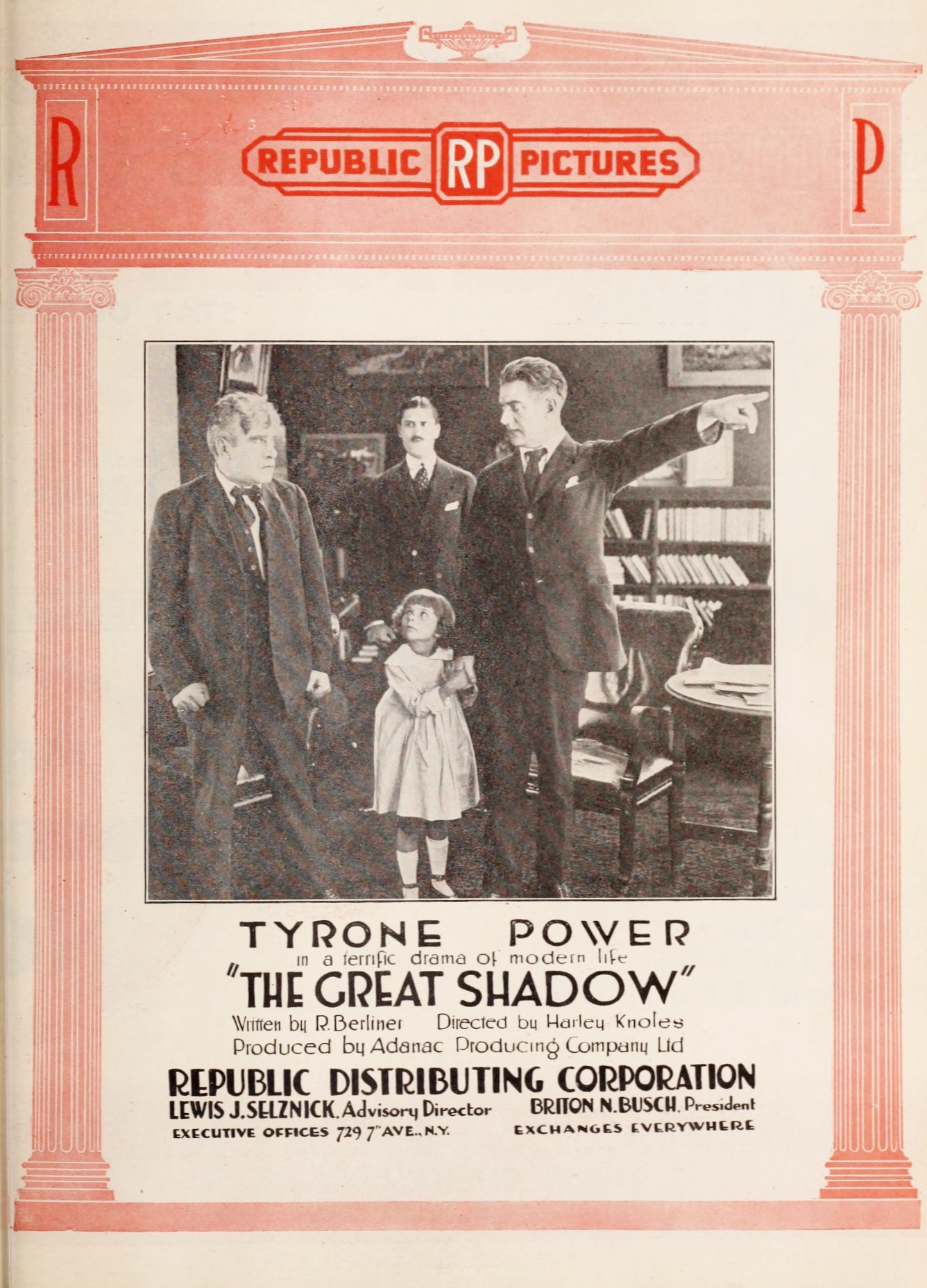
Harley Knoles
Community
Log in to comment.
" Blue Blazes (1927) is a cinematic relic that marries the rugged individualism of the American West with the visceral energy of boxing, stitched together by the unflinching gaze of its protagonist. Roy Watson’s Jerry Connors isn’t merely a fighter; he’s a man adrift in the wake of his own success, seeking authenticity in a world that clings to him like a shadow. The film’s opening sequence—a train hurtling through vast, untamed landscapes—sets the tone perfectly. The train, a symbol of progr..."

Francelia Billington
Henry McCarty, James Leo Meehan
United States
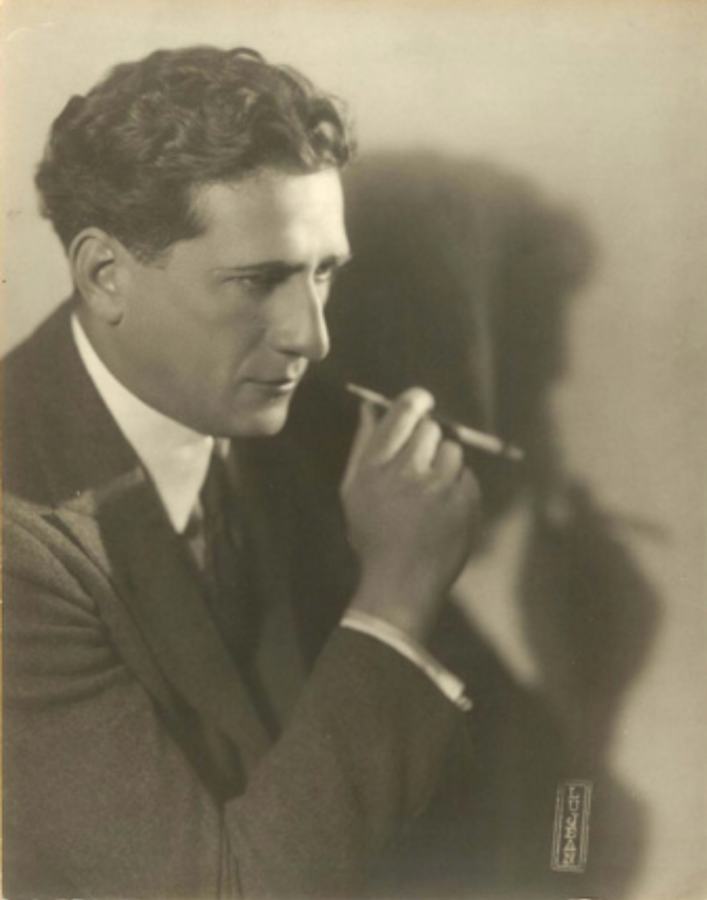
1923 · IMDb —