
DbcultAccessing Vault...
Director's Spotlight
Senior Film Conservator
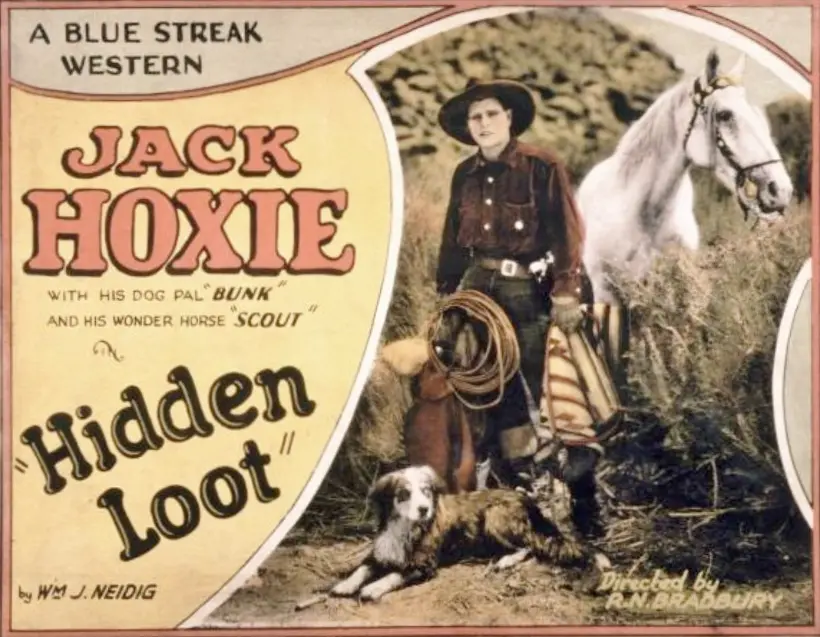
Director's Spotlight: United States
A Deep Dive into the 1926 Vision of Robert N. Bradbury
The enduring fascination with Hidden Loot is a testament to the defining moment in Western history that Robert N. Bradbury helped create. This film stands as a masterclass in visual storytelling, it has cemented its place in the global cult cinema archive.
In Hidden Loot, Robert N. Bradbury pushes the boundaries of conventional narrative. The film's unique approach to its subject matter has sparked endless debates and interpretations among cinephiles and critics alike.
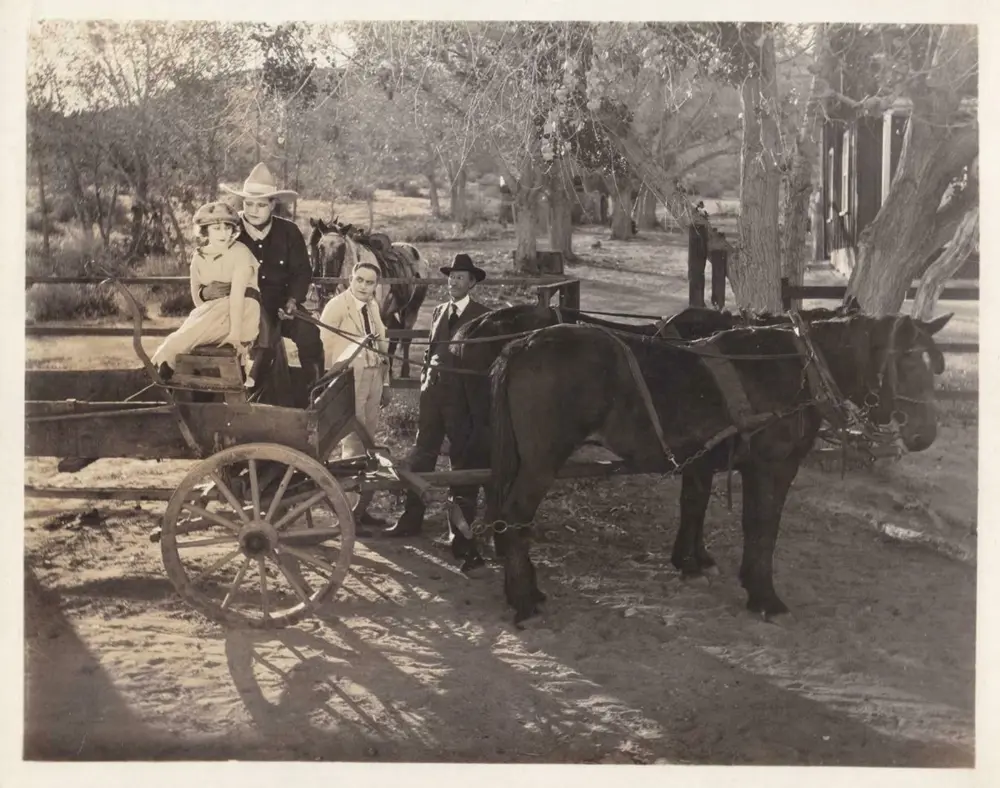
To fully appreciate Hidden Loot, one must consider the cinematic climate of 1926. During this period, United States was undergoing significant artistic shifts, and Robert N. Bradbury was at the forefront of this Western movement, often challenging established norms.
| Cinematography | Noir-Inspired |
| Soundtrack | Orchestral |
| Editing | Invisible |
| Art Direction | Kitsch |
Visualizing the convergence of Robert N. Bradbury's style and the core Western narrative.
Anna Jones, racing her brother Dick to their ranch, is "rescued" from her fast horse by a stranger (Cranner) whom she indignantly brands a bonehead before riding away. "Big Bill," a ranch employee, steals the payroll bag and joins his gang in the forest, where the stranger sees them hiding the bag in a shack. He investigates and is captured by the gang. His dog, Bunk, however, leaps through a window with the loot, buries it, then returns, frees Cranner by digging a hole under the wall, and keeps the bandits at bay while Cranner escapes. Anna encounters Cranner, and though she believes him guilty, she is so impressed by his gallantry that she falls in love with him and helps him evade Bill and his gang. Cranner follows Anna and rescues her from the clutches of Bill; then the posse arrives, and Anna discovers that the stranger is actually a Texas Ranger.
Decades after its release, Hidden Loot remains a vital piece of the cinematic puzzle. Its influence can be seen in countless modern works, solidifying Robert N. Bradbury's status as a master of the craft in United States and beyond.