
DbcultAccessing Vault...
Director's Spotlight
Senior Film Conservator
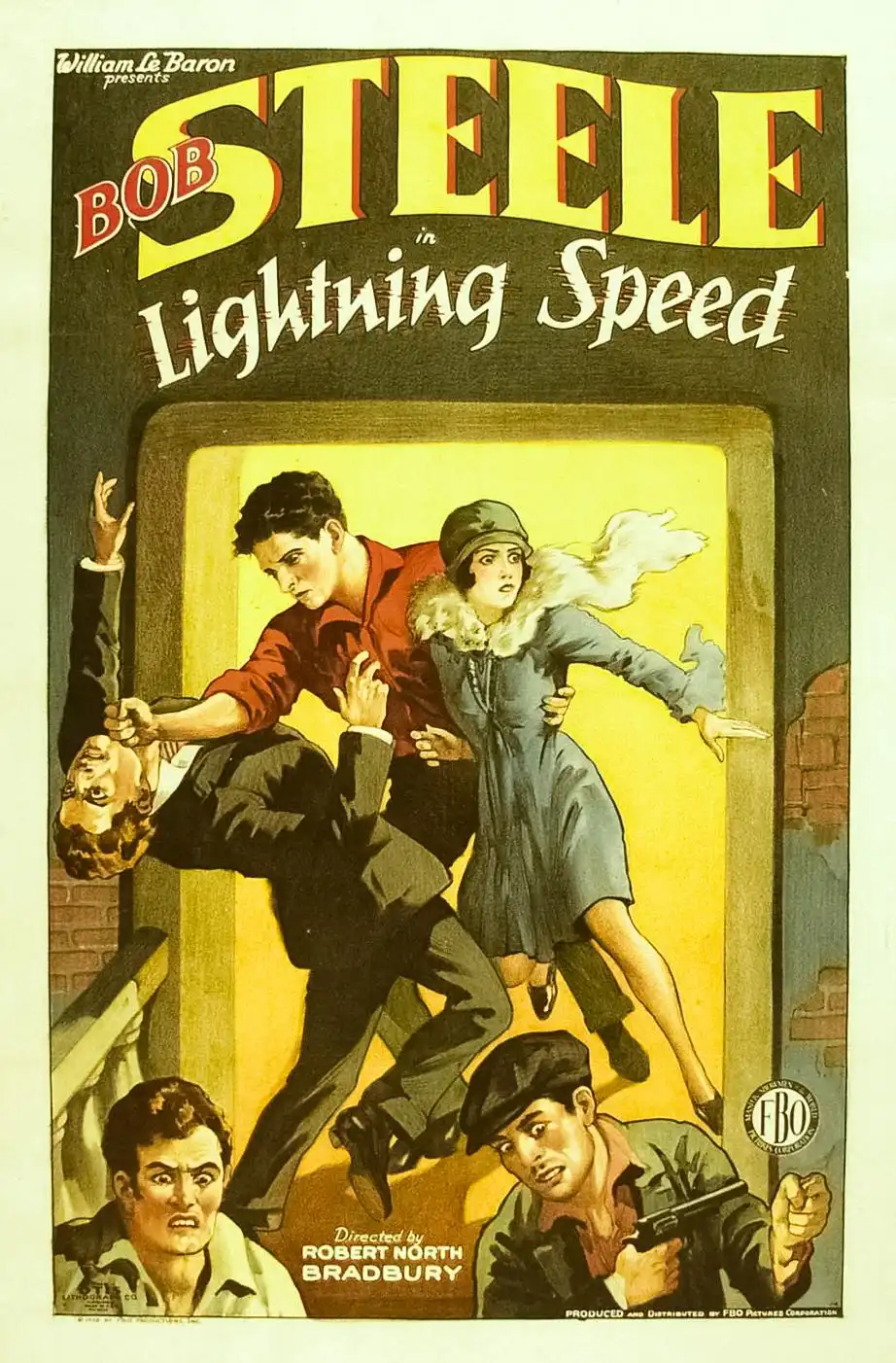
Director's Spotlight: United States
A Deep Dive into the 1928 Vision of Robert N. Bradbury
The brilliance of Lightning Speed (1928) is inseparable from the visionary mind of its creator, Robert N. Bradbury. Serving as a mirror to the anxieties of a changing world, it persists as a haunting reminder of our own cinematic history.
In Lightning Speed, Robert N. Bradbury pushes the boundaries of conventional narrative. The film's unique approach to its subject matter has sparked endless debates and interpretations among cinephiles and critics alike.
The visual language of Lightning Speed is defined by its use of shadows and framing, a hallmark of Robert N. Bradbury's style. By utilizing a 1928-era palette, the film creates an immersive experience that perfectly complements its Drama themes.
| Cinematography | High-Contrast |
| Soundtrack | Diegetic |
| Editing | Rhythmic |
| Art Direction | Naturalist |
Visualizing the convergence of Robert N. Bradbury's style and the core Drama narrative.
Jack Pemberton, a newspaper reporter in love with Betty Standish, the governor's daughter, learns that Velvet, a notorious criminal, is planning to abduct Betty in order to force her father to sign a pardon freeing Velvet's brother, who is in the "big house" waiting to be hanged. Jack tries to warn Betty but to no avail, and she falls into Velvet's hands; Jack later gets on Velvet's trail, and the abductor tries to escape in a balloon. Jack rescues Betty, and Velvet falls to his death.
Decades after its release, Lightning Speed remains a vital piece of the cinematic puzzle. Its influence can be seen in countless modern works, solidifying Robert N. Bradbury's status as a master of the craft in United States and beyond.