
DbcultAccessing Vault...
Director's Spotlight
Senior Film Conservator
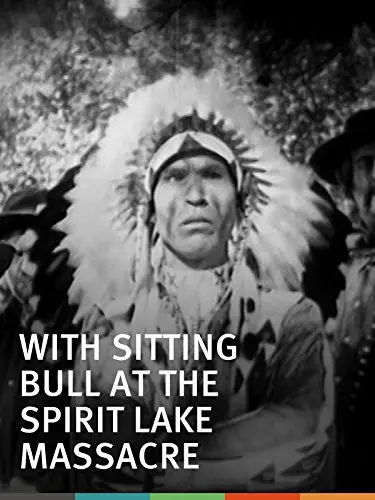
Director's Spotlight: United States
A Deep Dive into the 1927 Vision of Robert N. Bradbury
Exploring the Western underpinnings of With Sitting Bull at the Spirit Lake Massacre leads us to the uncompromising vision of Robert N. Bradbury that defines this Western masterpiece. Melding the raw energy of United States with a global Western appeal, it echoes the profound changes occurring in United States during that era.
In With Sitting Bull at the Spirit Lake Massacre, Robert N. Bradbury pushes the boundaries of conventional narrative. The film's unique approach to its subject matter has sparked endless debates and interpretations among cinephiles and critics alike.
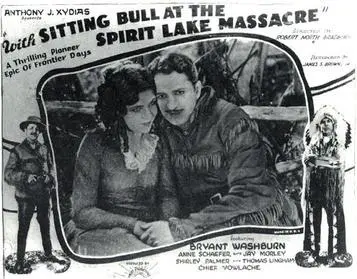
The visual language of With Sitting Bull at the Spirit Lake Massacre is defined by its use of shadows and framing, a hallmark of Robert N. Bradbury's style. By utilizing a 1927-era palette, the film creates an immersive experience that perfectly complements its Western themes.
| Cinematography | Deep Focus |
| Soundtrack | Diegetic |
| Editing | Elliptical |
| Art Direction | Expressionist |
Visualizing the convergence of Robert N. Bradbury's style and the core Western narrative.
A long-thought-lost film finally surfaces after being unseen for over eight decades. Created and copyrighted by Sunset Productions in 1925 but not released until June 15, 1927, this silent epic features the superior Native American actor Chief Yowlachie (performing here under the name Chief Yowlache) as Sitting Bull. Other fine actors in the cast include the always popular Bryant Washburn and a young Bob Steele, who appears under his real name Bob Bradbury Jr. The story takes place in the 1860s or 1870s near Spirit Lake, Iowa. Settlements of whites are growing in that region but the Sioux Indians also have professed their interest in one such settlement. Chief Sitting Bull surveys the settlement at Spirit Lake from afar and with the advice of the Great Spirit vows to retake the land that belonged to his fathers.
Decades after its release, With Sitting Bull at the Spirit Lake Massacre remains a vital piece of the cinematic puzzle. Its influence can be seen in countless modern works, solidifying Robert N. Bradbury's status as a master of the craft in United States and beyond.