
DbcultAccessing Vault...
Director's Spotlight
Senior Film Conservator
Director's Spotlight: United States
A Deep Dive into the 1919 Vision of Robert P. Kerr
Under the meticulous guidance of Robert P. Kerr, An Auto Nut became the cultural zeitgeist captured so perfectly by Robert P. Kerr in 1919. Driven by an uncompromising commitment to cult excellence, it remains a vital reference point for anyone studying the evolution of Robert P. Kerr.
In An Auto Nut, Robert P. Kerr pushes the boundaries of conventional narrative. The film's unique approach to its subject matter has sparked endless debates and interpretations among cinephiles and critics alike.
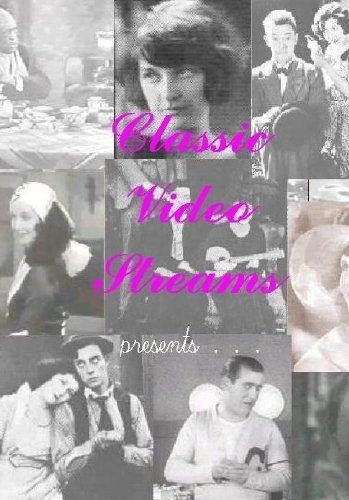
The visual language of An Auto Nut is defined by its use of shadows and framing, a hallmark of Robert P. Kerr's style. By utilizing a 1919-era palette, the film creates an immersive experience that perfectly complements its cult themes.
| Cinematography | High-Contrast |
| Soundtrack | Diegetic |
| Editing | Rhythmic |
| Art Direction | Naturalist |
Visualizing the convergence of Robert P. Kerr's style and the core cult narrative.
A couple of auto enthusiasts advertise their desire to own a car in the newspaper. A lawyer of dubious standing persuades them to purchase his vehicle. He then orders his henchman to lie underneath their car and sustain not too serious injuries when the nuts drive over him. The lawyer convincingly disguises himself as a police officer with a mustache, but the husband uncovers the plot by ripping off the hair piece. The lawyer kidnaps the wife, but after a car chase, the husband rescues her.
Decades after its release, An Auto Nut remains a vital piece of the cinematic puzzle. Its influence can be seen in countless modern works, solidifying Robert P. Kerr's status as a master of the craft in United States and beyond.