
DbcultAccessing Vault...
Director's Spotlight
Senior Film Conservator
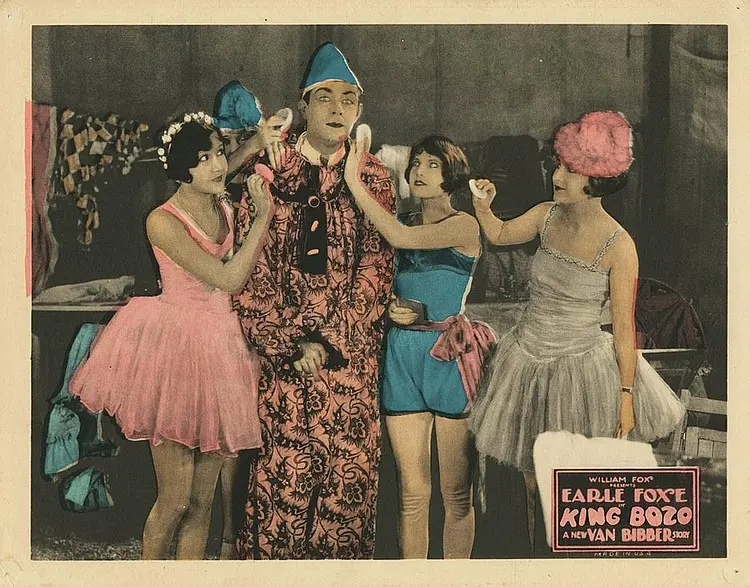
Director's Spotlight: United States
A Deep Dive into the 1926 Vision of Robert P. Kerr
The enduring fascination with King Bozo is a testament to the artistic risks taken by Robert P. Kerr that eventually paid off. Challenging the viewer to find meaning in the Short shadows, it reminds us of the fragility and beauty of the 1926s.
In King Bozo, Robert P. Kerr pushes the boundaries of conventional narrative. The film's unique approach to its subject matter has sparked endless debates and interpretations among cinephiles and critics alike.
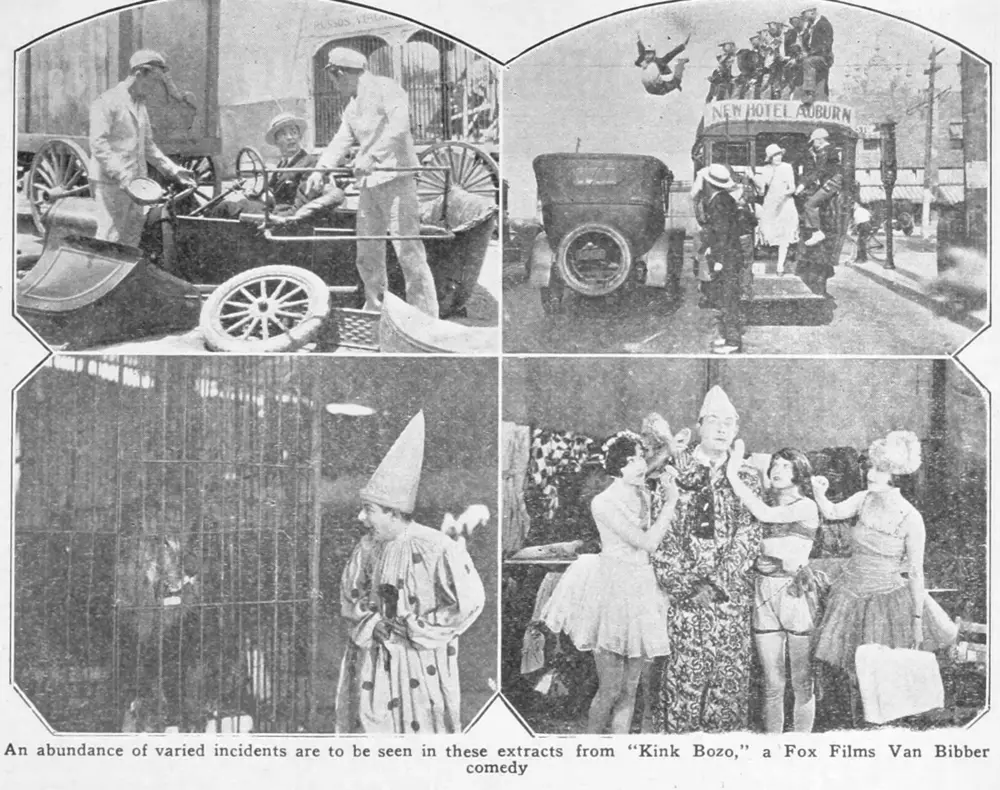
To fully appreciate King Bozo, one must consider the cinematic climate of 1926. During this period, United States was undergoing significant artistic shifts, and Robert P. Kerr was at the forefront of this Short movement, often challenging established norms.
| Cinematography | Noir-Inspired |
| Soundtrack | Synth-Heavy |
| Editing | Rhythmic |
| Art Direction | Naturalist |
Visualizing the convergence of Robert P. Kerr's style and the core Short narrative.
Van Bibber enters into new and complicated adventures as part of his European trip. This time he has a young army of acrobats on his hands, Van acting as guardian for the troupe. The boys are regular cut-ups and as usual Van has more than he can do to handle the affair. The boys carry their acrobatic stunts with them on all occasions and instead of acting like human beings when they're not in the circus ring, they form a regular chronic cyclone.
Decades after its release, King Bozo remains a vital piece of the cinematic puzzle. Its influence can be seen in countless modern works, solidifying Robert P. Kerr's status as a master of the craft in United States and beyond.