
DbcultAccessing Vault...
Director's Spotlight
Senior Film Conservator
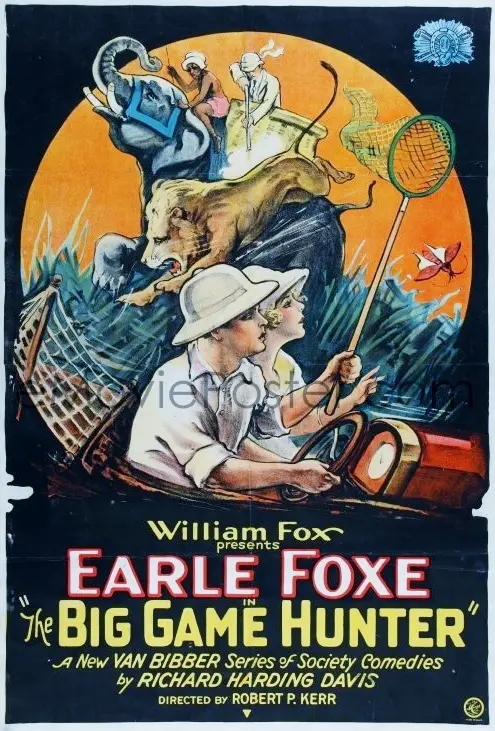
Director's Spotlight: United States
A Deep Dive into the 1925 Vision of Robert P. Kerr
The thematic gravity of The Big Game Hunter (1925) is rooted in the artistic risks taken by Robert P. Kerr that eventually paid off. Defining a new era of United States artistic expression, it demands to be seen by anyone who cares about the art of film.
In The Big Game Hunter, Robert P. Kerr pushes the boundaries of conventional narrative. The film's unique approach to its subject matter has sparked endless debates and interpretations among cinephiles and critics alike.
| Cinematography | Static |
| Soundtrack | Experimental |
| Editing | Elliptical |
| Art Direction | Expressionist |
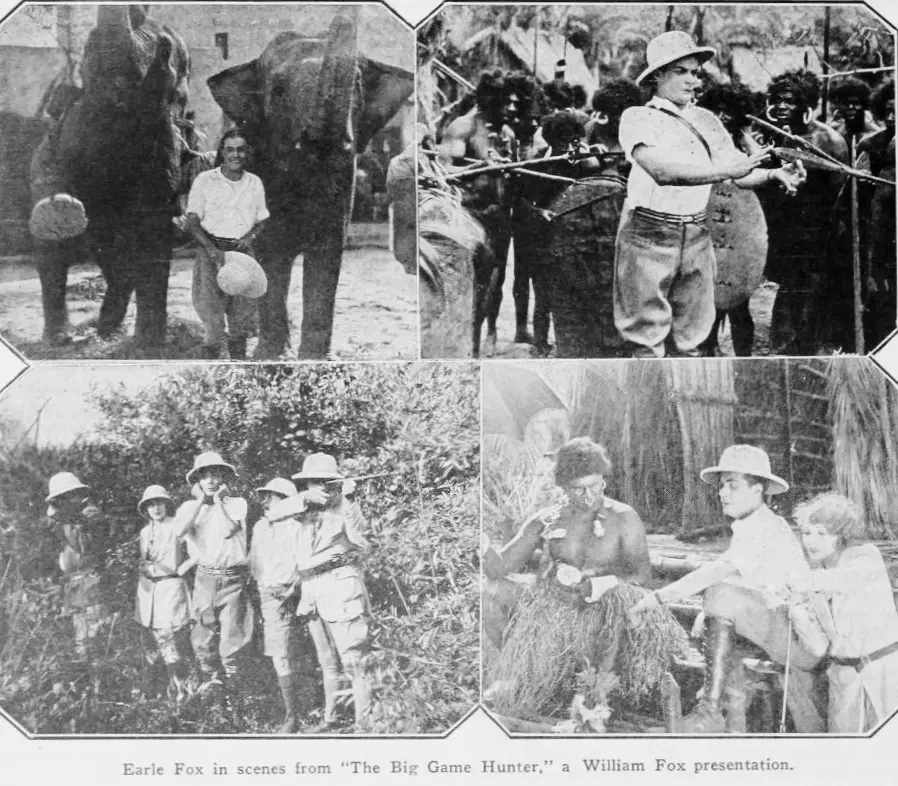
Visualizing the convergence of Robert P. Kerr's style and the core Short narrative.
Earle's party visit Africa in search of specimens of butterflies and bugs and he particularly wants to capture a rare bug "The Assassin." It happens that there is a man-eating lion with the same name and a big bet is placed on Van who shows all the confidence in the world that he will capture "The Assasin." There is a good scene where he described how he will do this by chasing his quarry until it is tired, catching it in a net and then chloroforming it. A rabbit scares Van and he runs away. A native chief has a flivver and Van under- takes to run it. It gets out of control and runs through the Jungle and the lion leaps in and gets tangled up in the net. The party is dumbfounded when Van appears with the car and the lion.
Decades after its release, The Big Game Hunter remains a vital piece of the cinematic puzzle. Its influence can be seen in countless modern works, solidifying Robert P. Kerr's status as a master of the craft in United States and beyond.