
DbcultAccessing Vault...
Director's Spotlight
Senior Film Conservator
Director's Spotlight: United States
A Deep Dive into the 1926 Vision of Robert P. Kerr
In the grand tapestry of Short cinema, The Complete Life serves as a bridge between the philosophical inquiries that Robert P. Kerr embeds within the narrative. Melding the raw energy of United States with a global Short appeal, it invites us to question our own perceptions of Short narratives.
In The Complete Life, Robert P. Kerr pushes the boundaries of conventional narrative. The film's unique approach to its subject matter has sparked endless debates and interpretations among cinephiles and critics alike.
While deeply rooted in United States, The Complete Life has achieved a global reach, influencing directors from various backgrounds. Its ability to translate Short tropes into a universal cinematic language is why it remains a cult staple decades after its 1926 release.
| Cinematography | Handheld |
| Soundtrack | Orchestral |
| Editing | Slow-Burn |
| Art Direction | Brutalist |
Visualizing the convergence of Robert P. Kerr's style and the core Short narrative.
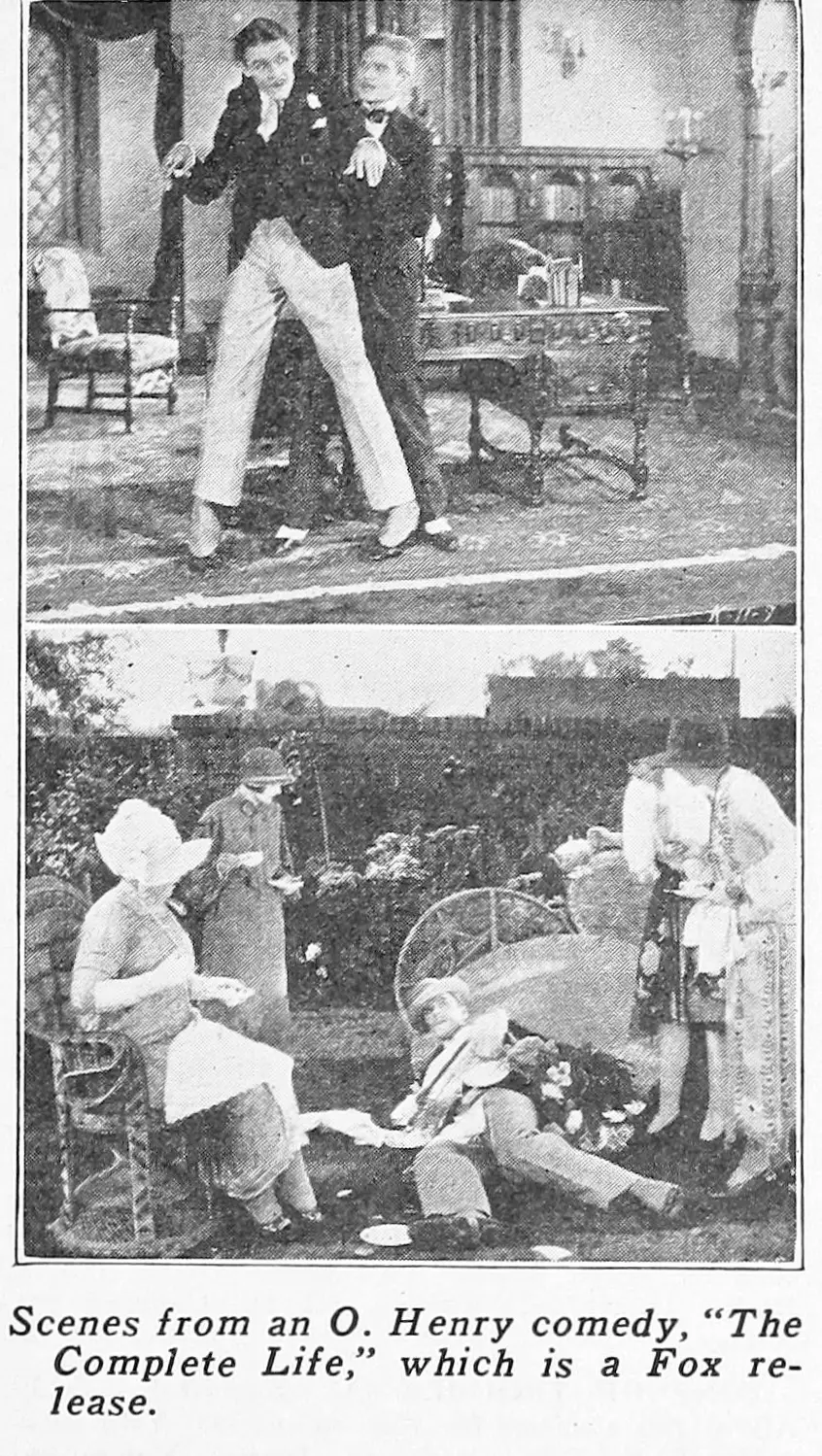
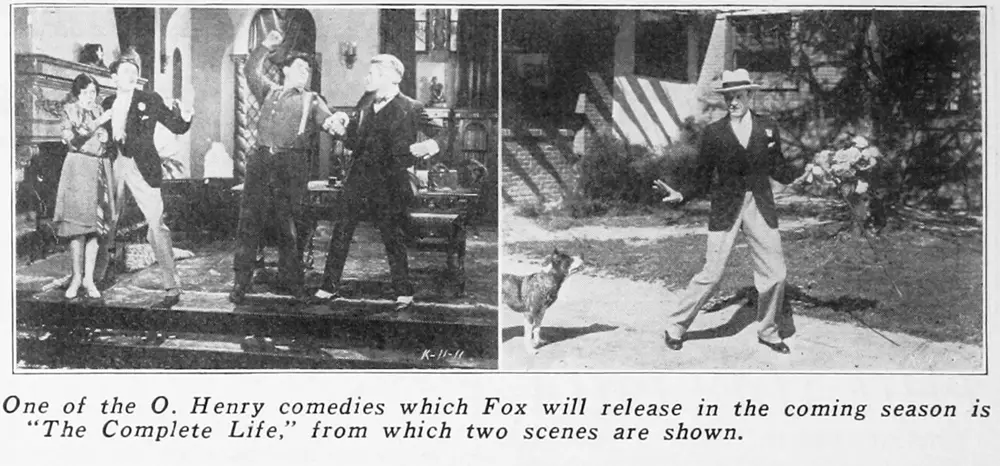
A tipsy fellow enters a telephone booth and waits to be driven off, thinking he has stepped into a taxi. He finally gets his girl on the telephone and discovers she is about to break their engagement. Hero jumps into his auto and the race to the girl's house is made up of a series of comedy incidents that furnish plenty of laughs. Once there hero is off on another errand. The girl's Aunt Emma is in danger. Hero discovers that her trouble is a quarrel with her husband, whereupon hero decides women are all alike and he must turn cave man to retain the upper hand.
Decades after its release, The Complete Life remains a vital piece of the cinematic puzzle. Its influence can be seen in countless modern works, solidifying Robert P. Kerr's status as a master of the craft in United States and beyond.