
DbcultAccessing Vault...
Director's Spotlight
Senior Film Conservator
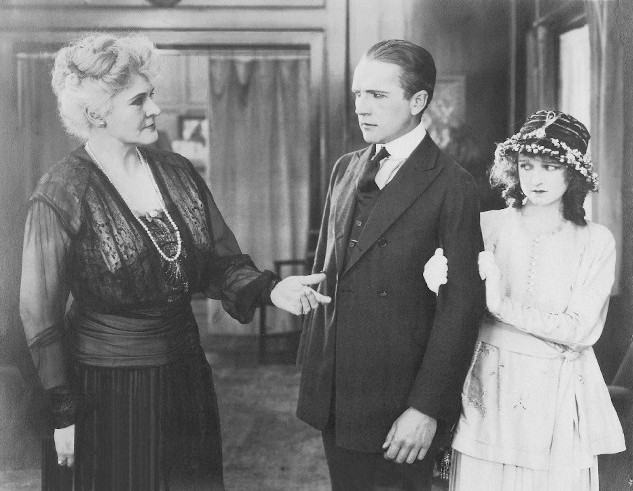
Director's Spotlight: United States
A Deep Dive into the 1917 Vision of Robert Thornby
Deciphering the layers of A Kiss for Susie (1917) reveals the complex thematic architecture established by Robert Thornby. Utilizing a 1917-specific aesthetic that remains timeless, it stands as the definitive 1917 statement on cult identity.
In A Kiss for Susie, Robert Thornby pushes the boundaries of conventional narrative. The film's unique approach to its subject matter has sparked endless debates and interpretations among cinephiles and critics alike.
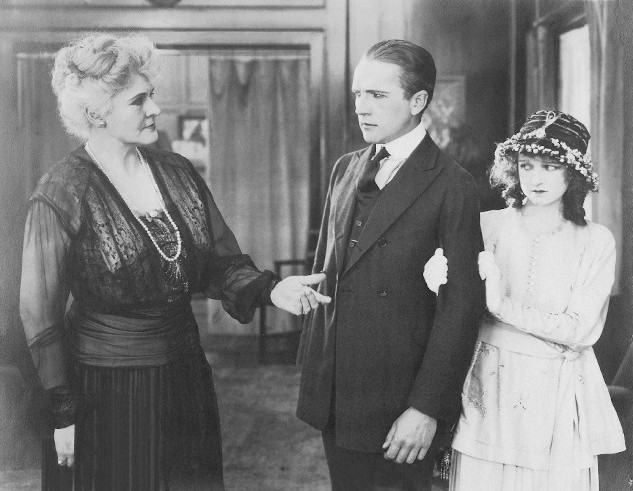
In this work, Robert Thornby explores the intersection of cult and United States cultural identity. The meticulous attention to detail suggests a deep-seated commitment to pushing the boundaries of the medium, ensuring that A Kiss for Susie remains a relevant topic of study for cult enthusiasts.
| Cinematography | Noir-Inspired |
| Soundtrack | Synth-Heavy |
| Editing | Rhythmic |
| Art Direction | Naturalist |
Visualizing the convergence of Robert Thornby's style and the core cult narrative.
Susie is the daughter of a very good bricklayer. The lad who loves her is a very rich lad, as all lads should be, but, alas are not. To win her, he poses as a hod-carrier, certainly an unromantic disguise for a wooer. His mother has social aspirations for him, with Newport as a base of action, but what cares he? He loves the bricklayer's daughter. Is it not simple? It is. Simple, but sweet. Later Susie gets rich by means of a legacy, and the bricklayer's family moves into opulent quarters. Then sweet Susie is elegantly-gowned, but no happier. What are mere dollars to sweet Susie? The main situation in which Susie figures is one of finance. Seeing that dollars mean unhappiness, she plans to induce her father to invest in the stock market and to let him believe that he has lost all. This scheme succeeds in bringing the picture to its ideal end, and Susie marries the lad who posed as the hod-carrier. - Picture Play Magazine 1917.
Decades after its release, A Kiss for Susie remains a vital piece of the cinematic puzzle. Its influence can be seen in countless modern works, solidifying Robert Thornby's status as a master of the craft in United States and beyond.