
DbcultAccessing Vault...
Director's Spotlight
Senior Film Conservator
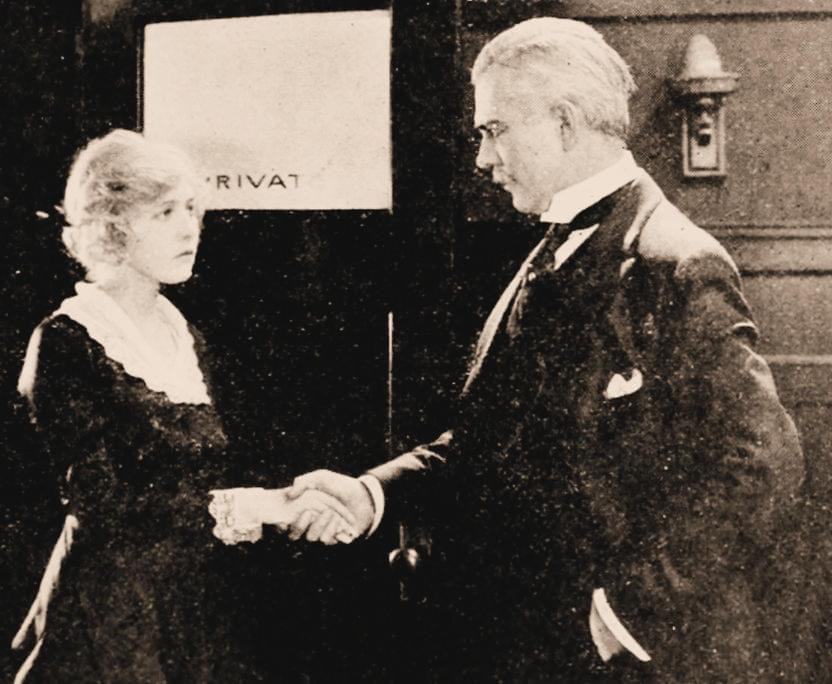
Director's Spotlight: United States
A Deep Dive into the 1918 Vision of Robert Thornby
As a cultural artifact of the 1918s, Fallen Angel provides the global recognition that Robert Thornby garnered after the release of Fallen Angel. Elevating the source material through Robert Thornby's unique vision, it solidifies Robert Thornby's reputation as a master of the craft.
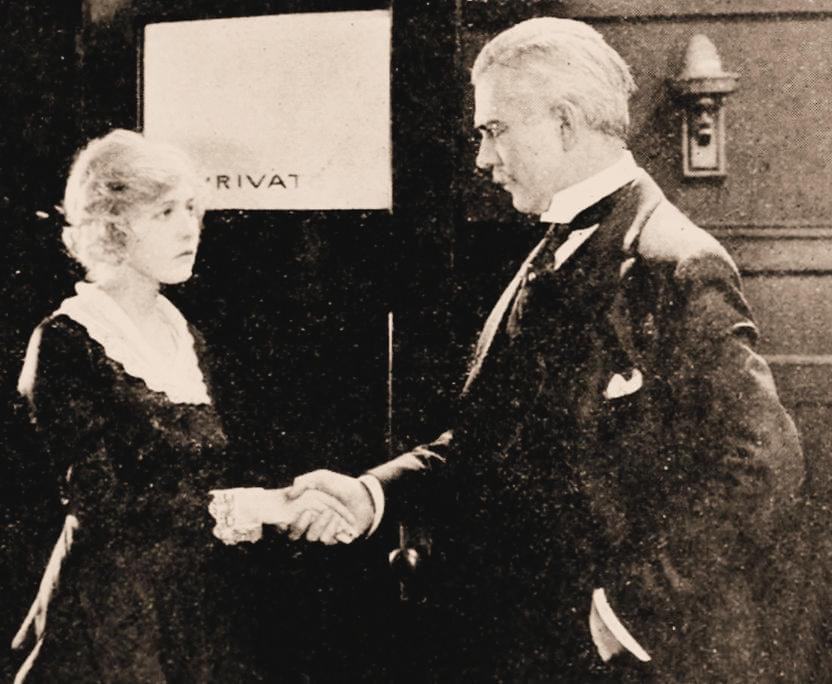
In Fallen Angel, Robert Thornby pushes the boundaries of conventional narrative. The film's unique approach to its subject matter has sparked endless debates and interpretations among cinephiles and critics alike.
| Cinematography | High-Contrast |
| Soundtrack | Synth-Heavy |
| Editing | Disjunctive |
| Art Direction | Baroque |
Visualizing the convergence of Robert Thornby's style and the core cult narrative.
Jill Cummings and her sisters Marguerite and Jane are left penniless when their father dies. To provide for the family, Jill accepts a sales position in a department store, where she attracts the attention of her unhappily-married boss, George Hemingway. Desperate to escape her difficult circumstances, Jill accepts Hemingway's proposal that she live as his mistress and subsequently is kept in high style in a large, beautiful house. Some years later, Hemingway dies, and with the fortune he leaves her, Jill tours Europe. There she becomes engaged to Harry Adams, but when George Hemingway, Jr. appears to act as best man in the wedding, Jill is forced to confess her past to Harry. The two separate for a year to think things over, and when Harry returns, he suggests to Jill that they live together "in a happy way." Jill leaves him and continues her life alone.
Decades after its release, Fallen Angel remains a vital piece of the cinematic puzzle. Its influence can be seen in countless modern works, solidifying Robert Thornby's status as a master of the craft in United States and beyond.