
DbcultAccessing Vault...
Director's Spotlight
Senior Film Conservator
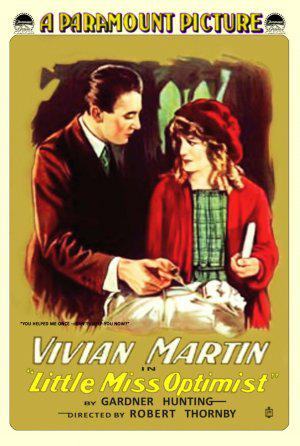
Director's Spotlight: United States
A Deep Dive into the 1917 Vision of Robert Thornby
In the grand tapestry of cult cinema, Little Miss Optimist serves as a bridge between the bold experimentation that has become synonymous with Robert Thornby. Breaking the traditional rules of cult engagement, it highlights the importance of independent voices in United States.
In Little Miss Optimist, Robert Thornby pushes the boundaries of conventional narrative. The film's unique approach to its subject matter has sparked endless debates and interpretations among cinephiles and critics alike.
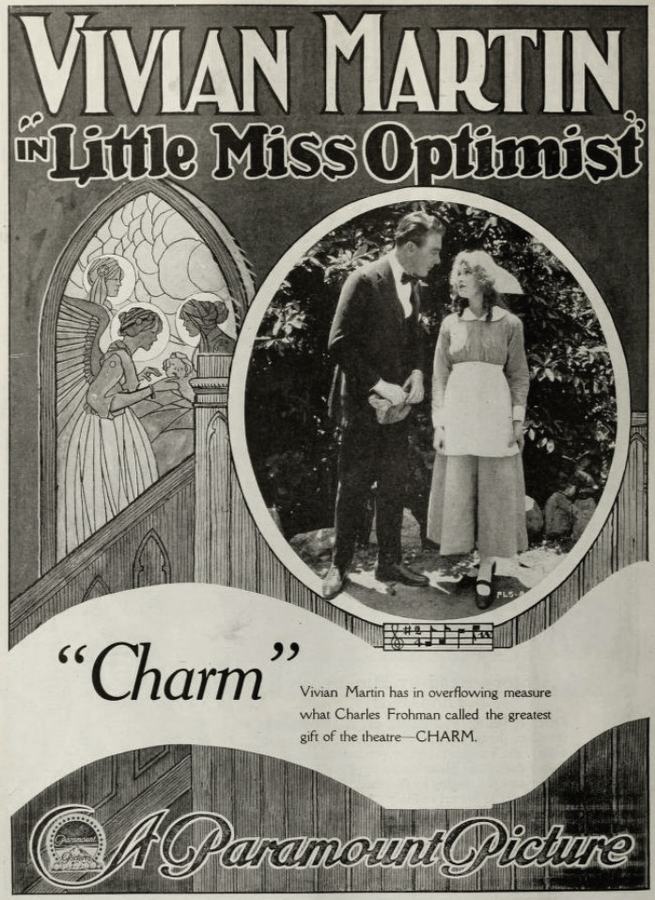
The visual language of Little Miss Optimist is defined by its use of shadows and framing, a hallmark of Robert Thornby's style. By utilizing a 1917-era palette, the film creates an immersive experience that perfectly complements its cult themes.
| Cinematography | Noir-Inspired |
| Soundtrack | Minimalist |
| Editing | Slow-Burn |
| Art Direction | Brutalist |
Visualizing the convergence of Robert Thornby's style and the core cult narrative.
Mazie-Rosie Carden, a waif who pays her board by selling papers on the street, saves the life of starving musician Deal Hendrie by giving him her cherished "lucky dime." Meanwhile, her brother Ben, employed as a weigh-master by the West Coal Company, has been discharged on a trumped-up accusation by the company's manager, Samuel Winter, of falsifying weights. Later, West finds proof of Winter's false records, summons him to the house and, after a fight, is killed by his employee. Ben, induced by Mazie to go to West and say that he has been falsely accused, arrives in time to see Winter robbing the body of his employer and taking Mazie's dime, which Hendrie had lost. Winter attacks Ben, knocks him unconscious and escapes, but is seen by Mazie. The next Sunday, while at the church where Hendrie is employed as an organist, Mazie sees Winter contributing the lucky dime and accuses him of murder before the whole congregation. Mazie's accusation is corroborated by her brother Ben, who has regained consciousness to testify against Winter, and all ends happily when Hendrie proposes to Mazie.
Decades after its release, Little Miss Optimist remains a vital piece of the cinematic puzzle. Its influence can be seen in countless modern works, solidifying Robert Thornby's status as a master of the craft in United States and beyond.