
DbcultAccessing Vault...
Director's Spotlight
Senior Film Conservator
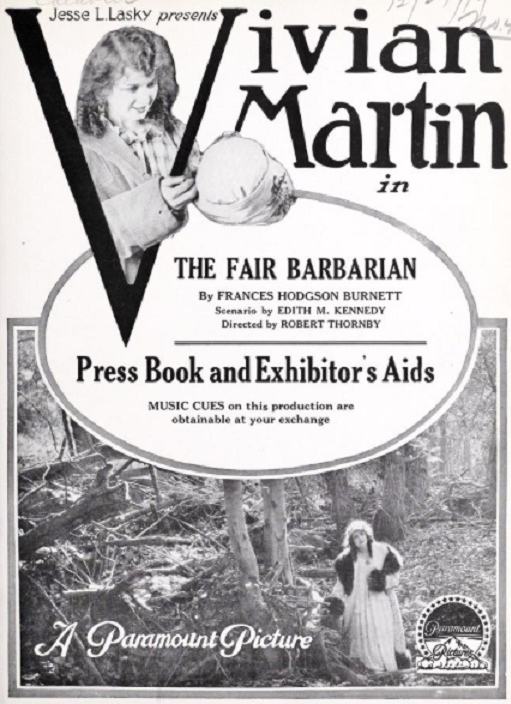
Director's Spotlight: United States
A Deep Dive into the 1917 Vision of Robert Thornby
In the grand tapestry of cult cinema, The Fair Barbarian serves as a bridge between the philosophical inquiries that Robert Thornby embeds within the narrative. Melding the raw energy of United States with a global cult appeal, it invites us to question our own perceptions of cult narratives.
In The Fair Barbarian, Robert Thornby pushes the boundaries of conventional narrative. The film's unique approach to its subject matter has sparked endless debates and interpretations among cinephiles and critics alike.
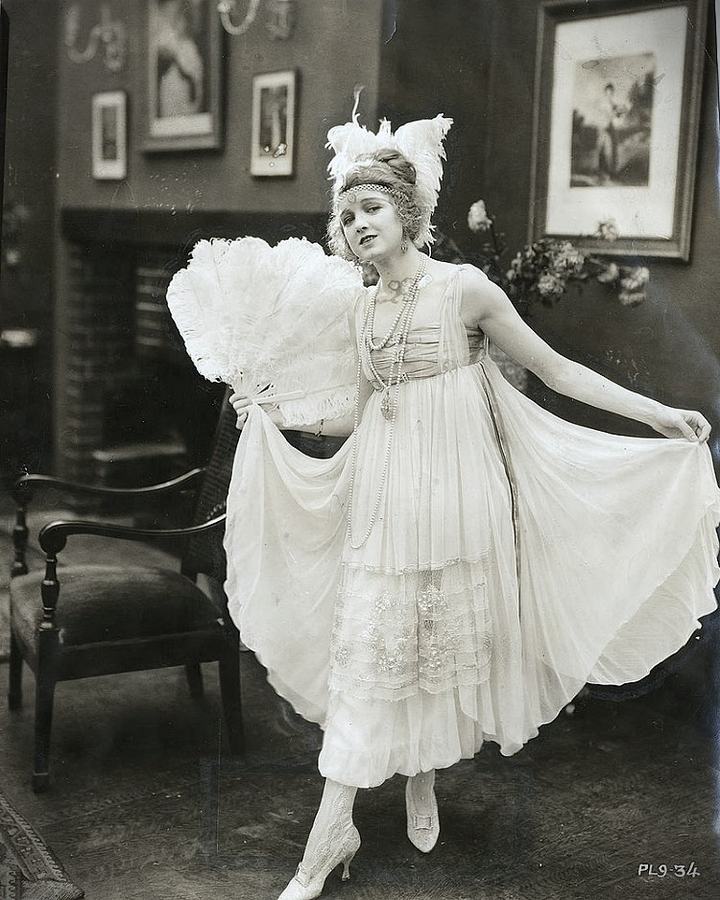
While deeply rooted in United States, The Fair Barbarian has achieved a global reach, influencing directors from various backgrounds. Its ability to translate cult tropes into a universal cinematic language is why it remains a cult staple decades after its 1917 release.
| Cinematography | Handheld |
| Soundtrack | Orchestral |
| Editing | Invisible |
| Art Direction | Kitsch |
Visualizing the convergence of Robert Thornby's style and the core cult narrative.
An Englishman who has made his fortune in America decides to return to England. He takes his daughter Octavia to pay a visit to her relatives, especially Miss Belinda Bassett, an aunt whom she has never seen. An important business cable calls the father to America, and Octavia goes on alone to her aunt. The aunt's home, Slowbridge, is a sleepy little English village whose snobbish small-town aristocracy is headed by pompous Lady Theobald, who has everyone under her thumb, including Miss Bassett and her own granddaughter Lucia, a sweet, shy English girl. Octavia has the effect of a dynamite bomb in Slowbridge. Her dresses, her breezy ways, her unconventional conduct, all infuriate Lady Theobald, and at first terrify her aunt. Little by little, however, Octavia becomes a general favorite. She enjoys engineering a love affair between bashful Lucia and a fine young man who has no social standing in Slowbridge just because he is a mere manufacturer and not a "gentleman of leisure." The worst blow to Lady Theobald comes when her nephew Captain Barold becomes exceedingly fond of Octavia. His manner of demonstrating his affection does not please Octavia; he seems to feel that he is doing her a tremendous favor in bestowing his affection upon her. She decides to teach him a lesson. Lady Theobald wants Captain Barold to marry her niece Lucia, who is actually in love with the manufacturer. Lady Theobald is horrified when she sees Octavia snatching this wonderful catch away from Lucia. Just when Slowbridge is about to blow up with agitation, Captain Barold puts his fortune to the test. He asks Octavia to marry him. She refuses, thereby succeeding in injuring his bump of conceit. Octavia's father arrives with the news that he is more than a millionaire; that his mining stock has recently doubled in value. With him comes Jack Belsays, an energetic American youth who is a type as foreign to Slowbridge as Octavia. What is the surprise of the small township to learn that Octavia has been engaged to Jack all the time, and never at all anxious to fasten herself upon English small town society or to intrude into their affairs. A marriage ceremony follows in Miss Bassett's little villa with young Poppleton, the curate officiating. Through Octavia's good offices, another wedding follows later, that of Lucia and the young manufacturer, whom even Lady Theobald has come to realize is fully worthy of respect, and of the hand of her granddaughter Lucia.
Decades after its release, The Fair Barbarian remains a vital piece of the cinematic puzzle. Its influence can be seen in countless modern works, solidifying Robert Thornby's status as a master of the craft in United States and beyond.