
DbcultAccessing Vault...
Director's Spotlight
Senior Film Conservator
Director's Spotlight: United States
A Deep Dive into the 1926 Vision of Robert Thornby
In the storied career of Robert Thornby, Whoa, Emma! stands as a the atmospheric immersion that Robert Thornby achieves throughout Whoa, Emma!. Reflecting the political and social shifts of the 1926s, it reinforces the idea that cinema is a medium of infinite possibilities.
In Whoa, Emma!, Robert Thornby pushes the boundaries of conventional narrative. The film's unique approach to its subject matter has sparked endless debates and interpretations among cinephiles and critics alike.
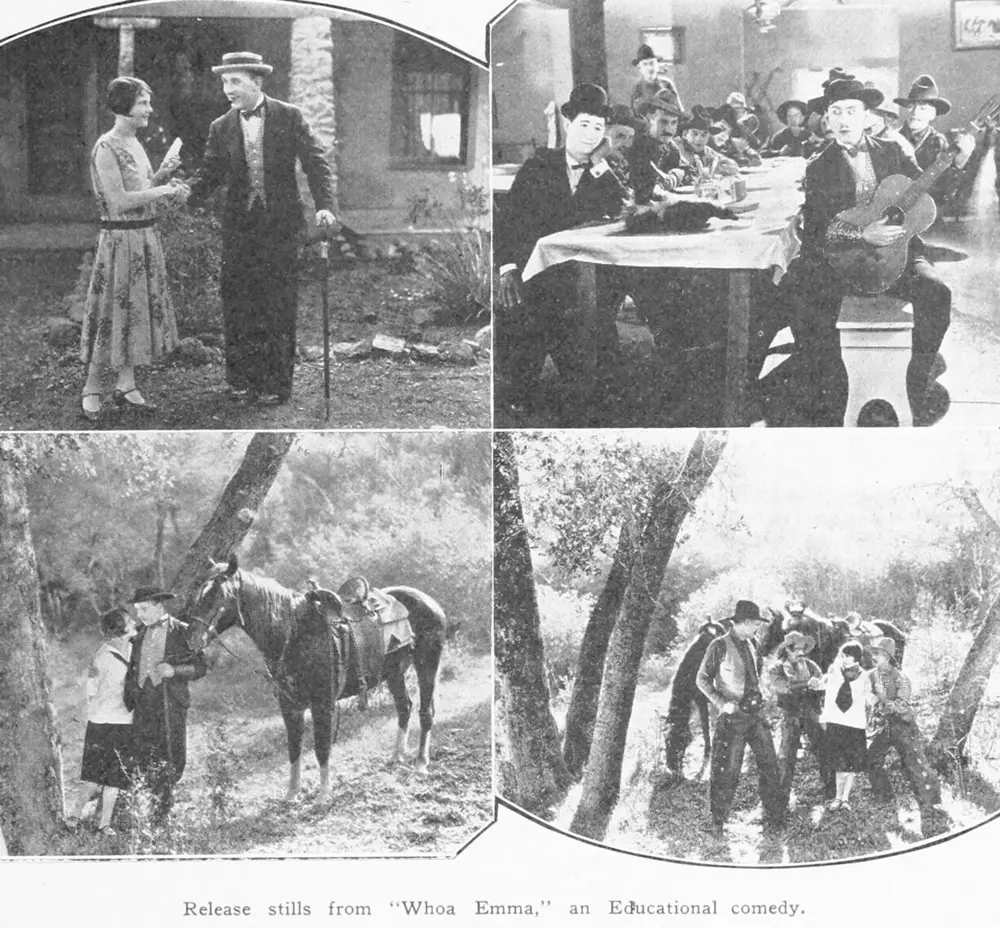
The visual language of Whoa, Emma! is defined by its use of shadows and framing, a hallmark of Robert Thornby's style. By utilizing a 1926-era palette, the film creates an immersive experience that perfectly complements its Comedy themes.
| Cinematography | Noir-Inspired |
| Soundtrack | Experimental |
| Editing | Invisible |
| Art Direction | Kitsch |
Visualizing the convergence of Robert Thornby's style and the core Comedy narrative.
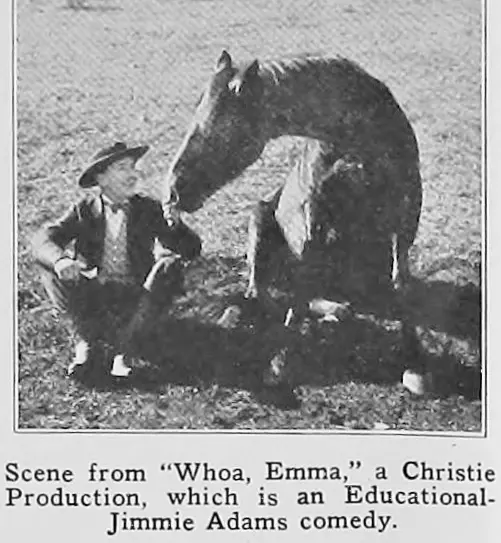
A ranch owner attempts to bring about the capture of a wild horse named "Wild Emma," whose vamping qualities are creating havoc among the ranch horses. In response to a letter requesting help from a correspondence school, Jimmie arrives on the scene with his valet and on making "Emma's" acquaintance, they immediately become fast friends, much to the consternation of the ranch employees.
Decades after its release, Whoa, Emma! remains a vital piece of the cinematic puzzle. Its influence can be seen in countless modern works, solidifying Robert Thornby's status as a master of the craft in United States and beyond.