
DbcultAccessing Vault...
Director's Spotlight
Senior Film Conservator
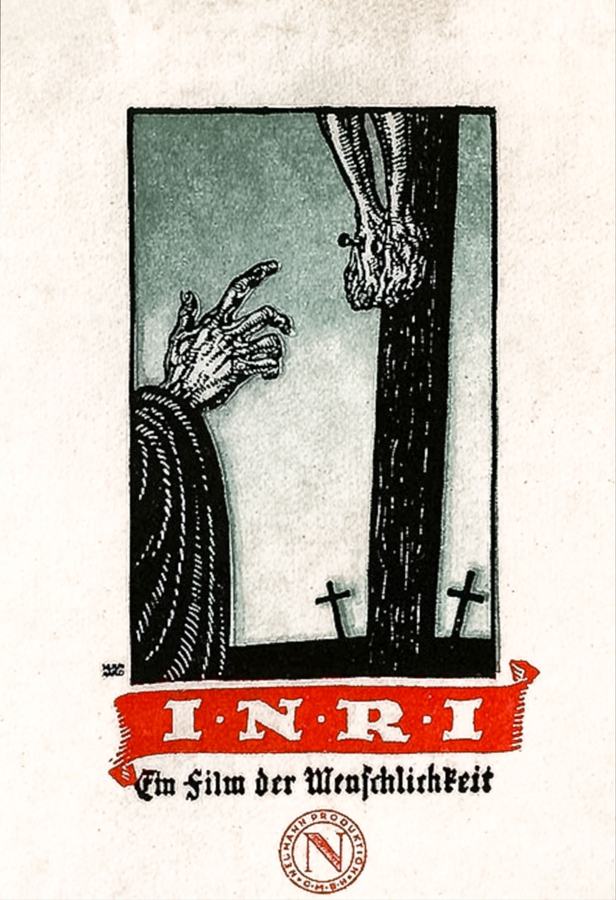
Director's Spotlight: Germany
A Deep Dive into the 1923 Vision of Robert Wiene
To understand the modern evolution of Germany film, one must first look at Crown of Thorns and the meticulous attention to detail that Robert Wiene applied to every frame. Reflecting the political and social shifts of the 1923s, it showcases the power of Drama as a tool for social commentary.

In Crown of Thorns, Robert Wiene pushes the boundaries of conventional narrative. The film's unique approach to its subject matter has sparked endless debates and interpretations among cinephiles and critics alike.
| Cinematography | High-Contrast |
| Soundtrack | Experimental |
| Editing | Elliptical |
| Art Direction | Expressionist |
Visualizing the convergence of Robert Wiene's style and the core Drama narrative.
By the director of Cabinet of Dr.Caligari, this is the Passion embedded in a contemporary story. An anarchist jailed for an attempted assassination is told the Passion story by the prison chaplain, who seeks to convince him that it is better to sacrifice ones own life than take the life of ones enemy. The framing story, taken from a novel, is believed to have been intended to give the Biblical story an anti-Bolshevist propaganda function. In any case, it was added without the knowledge of the actors in the Passion story, who included some of the major stars of the period Asta Nielsen as Mary Magdalene, Henny Porten as Mary, Grigori Chmara as Jesus, and Werner Krauss as Pontius Pilate -bampfa.berkeley.edu
Decades after its release, Crown of Thorns remains a vital piece of the cinematic puzzle. Its influence can be seen in countless modern works, solidifying Robert Wiene's status as a master of the craft in Germany and beyond.