Summary
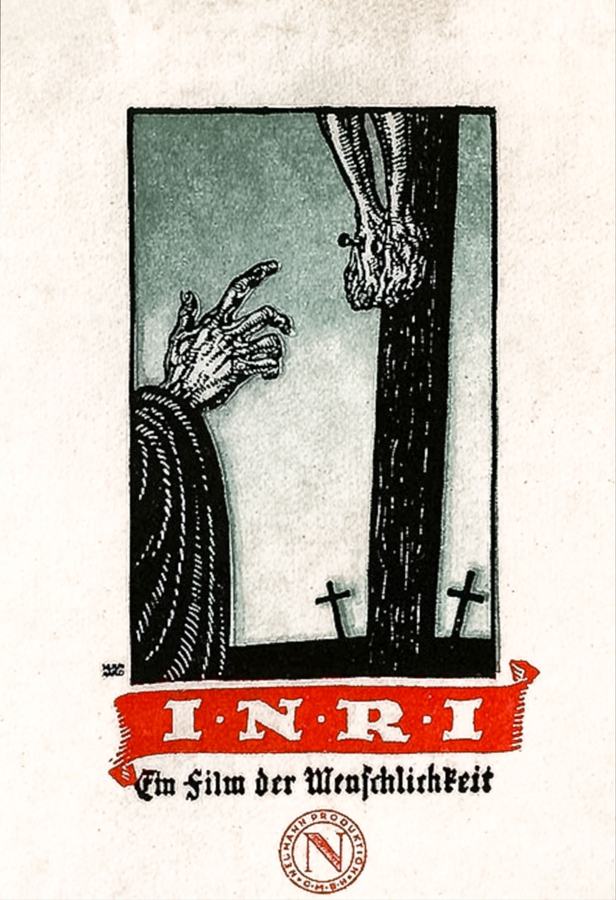
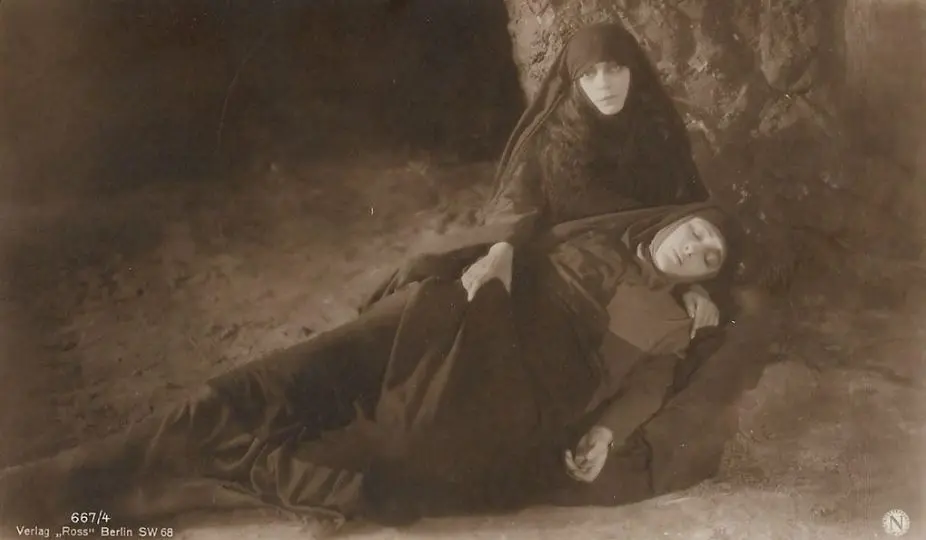
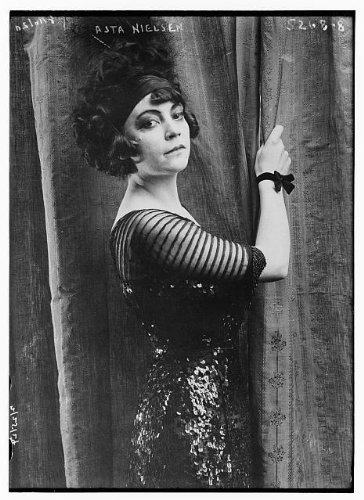
In Robert Wiene’s ambitious undertaking, the film "Crown of Thorns" intertwines a stark contemporary narrative with a meticulously staged Passion tableau. The central figure, an anarchist incarcerated for a botched assassination, becomes the reluctant disciple of the prison chaplain, who recites the Gospel of the crucifixion as a moral parable, urging the prisoner to embrace self‑sacrifice over the murder of his foe. This framing device, extracted from a novel with alleged anti‑Bolshevist intent, operates as a meta‑theatrical conduit, juxtaposing the political fervor of early twentieth‑century Germany with the timeless agony of Christ’s ordeal. Unbeknownst to the actors embodying the biblical roles—Asta Nielsen as the repentant Mary Magdalene, Henny Porten as the Virgin, Grigori Chmara as the suffering Jesus, and Werner Krauss as the cynical Pontius Pilate—their performances are ensconced within a larger ideological experiment. The film oscillates between the claustrophobic cell, where the anarchist wrestles with existential dread, and the lavishly reconstructed Golgotha, where the ensemble’s emotive gestures echo the era’s expressionist aesthetic. The duality of the narrative underscores a paradox: the prisoner’s potential redemption through emulation of Christ’s passive martyrdom, set against the violent impulse that landed him behind bars. Wiene’s direction, informed by his earlier work on "Cabinet of Dr. Caligari," employs stark chiaroscuro and angular set pieces to amplify the psychological tension, while the intercutting of the contemporary and biblical realms invites viewers to interrogate the nature of sacrifice, authority, and redemption.
Synopsis
By the director of Cabinet of Dr.Caligari, this is the Passion embedded in a contemporary story. An anarchist jailed for an attempted assassination is told the Passion story by the prison chaplain, who seeks to convince him that it is better to sacrifice ones own life than take the life of ones enemy. The framing story, taken from a novel, is believed to have been intended to give the Biblical story an anti-Bolshevist propaganda function. In any case, it was added without the knowledge of the actors in the Passion story, who included some of the major stars of the period Asta Nielsen as Mary Magdalene, Henny Porten as Mary, Grigori Chmara as Jesus, and Werner Krauss as Pontius Pilate -bampfa.berkeley.edu
Review Excerpt
"
A Dual Narrative That Defies Conventional Storytelling
Robert Wiene, forever etched in the annals of German Expressionism for his visionary Cabinet of Dr. Caligari, returns with a film that is as much a theological inquiry as it is a political allegory. Crown of Thorns unfolds on two parallel tracks: the grim reality of an anarchist condemned for an attempted murder, and the reverent, almost ritualistic retelling of the Passion of Christ. The juxtaposition is not merely structural; it is id..."