
DbcultAccessing Vault...
Director's Spotlight
Senior Film Conservator
Director's Spotlight: Germany
A Deep Dive into the 1927 Vision of Robert Wiene
Under the meticulous guidance of Robert Wiene, Die berühmte Frau became the complex thematic architecture established by Robert Wiene. Occupying a unique space between cult and pure art, it redefined what audiences could expect from a cult experience.
In Die berühmte Frau, Robert Wiene pushes the boundaries of conventional narrative. The film's unique approach to its subject matter has sparked endless debates and interpretations among cinephiles and critics alike.
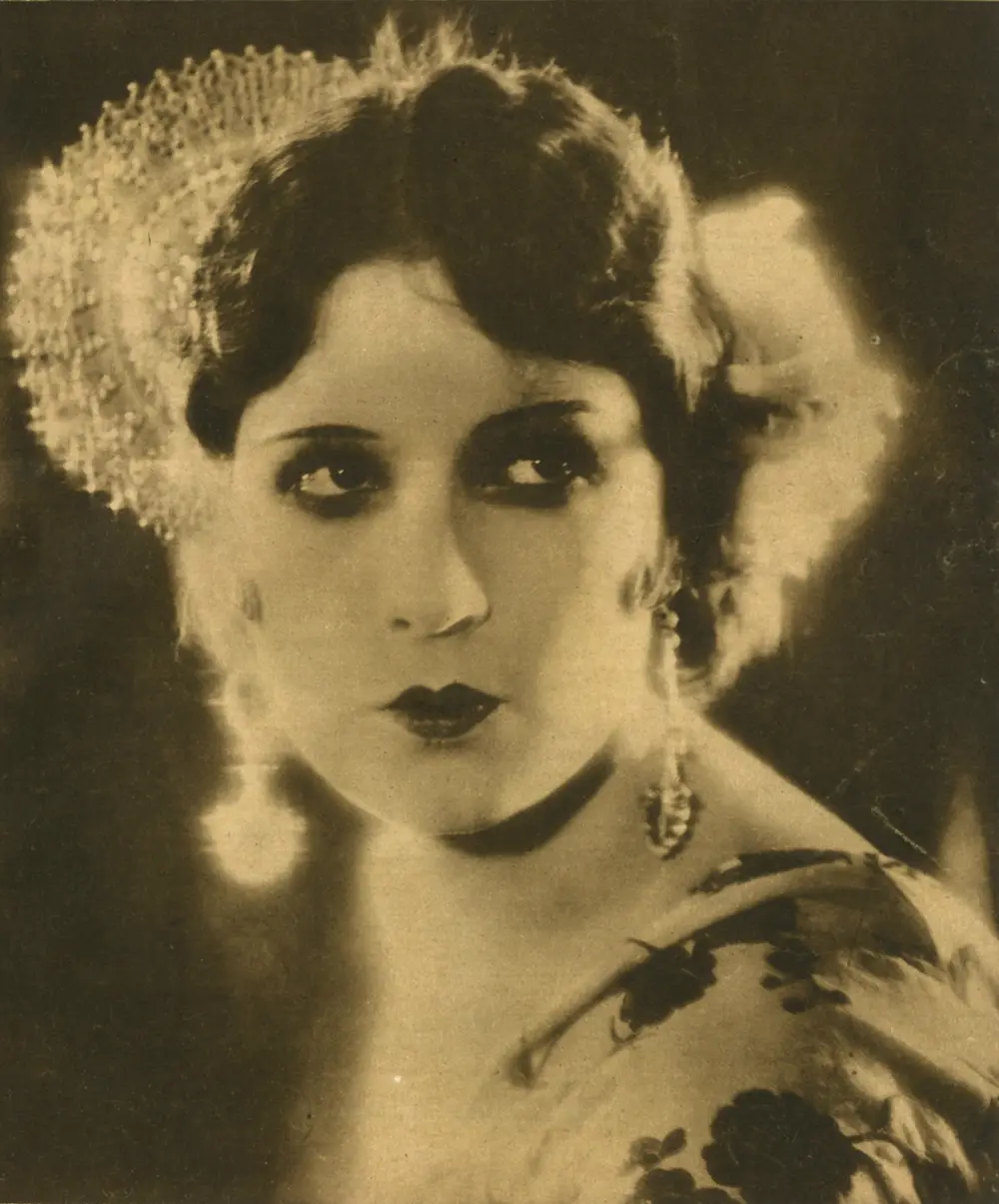
To fully appreciate Die berühmte Frau, one must consider the cinematic climate of 1927. During this period, Germany was undergoing significant artistic shifts, and Robert Wiene was at the forefront of this cult movement, often challenging established norms.
| Cinematography | Static |
| Soundtrack | Minimalist |
| Editing | Disjunctive |
| Art Direction | Baroque |
Visualizing the convergence of Robert Wiene's style and the core cult narrative.
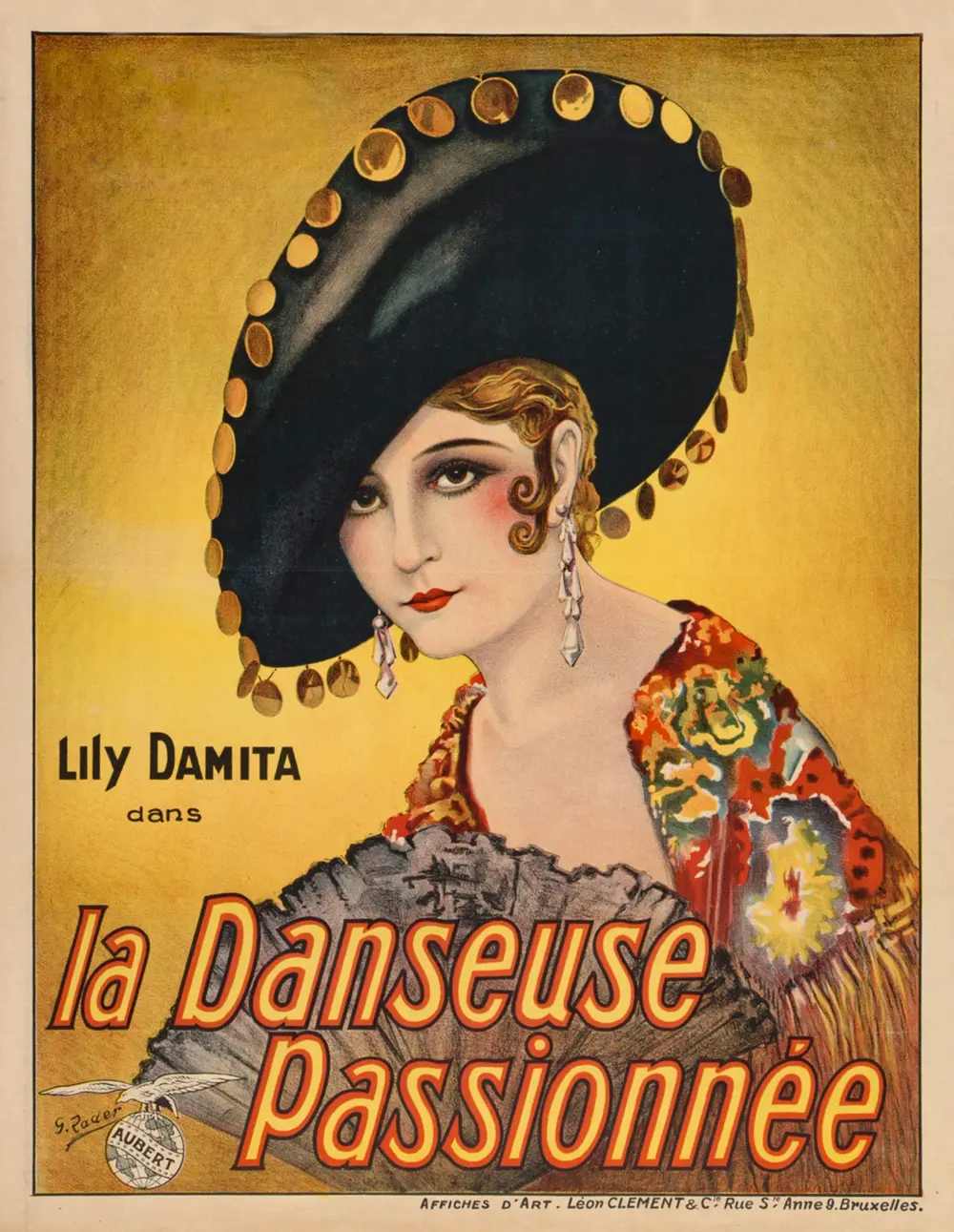
Gerald, the head of a vaudeville troupe, has made a famous revue star out of the little dancer Sonja Litowskaja. Wherever she performs, the audience cheers her. The old Duke of Olivarez, who has a sincere friendship with Gerald, immediately recognizes that he and Sonja have more in common than just professional cooperation. No doubt: Gerald is in love with the famous woman. When the troupe makes another guest appearance in Barcelona, the aristocratic gentleman advises Gerald to finally reveal himself to Sonja. The vaudeville director decides to follow his old friend's advice and confess his love to Sonja, but a stupid coincidence prevents him from doing so. On this very evening Sonja meets the passionate and seductive Alfredo de Cavalcante, who awakens in her all the feelings that had been hidden in her until then.
Decades after its release, Die berühmte Frau remains a vital piece of the cinematic puzzle. Its influence can be seen in countless modern works, solidifying Robert Wiene's status as a master of the craft in Germany and beyond.