
DbcultAccessing Vault...
Director's Spotlight
Senior Film Conservator
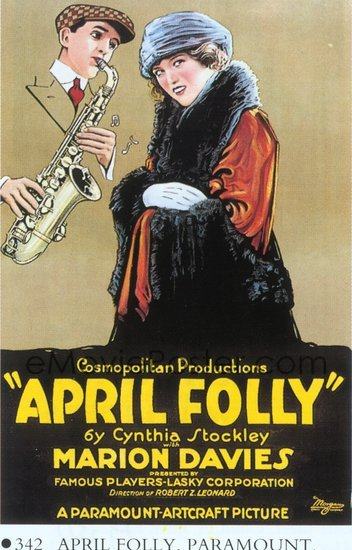
Director's Spotlight: United States
A Deep Dive into the 1920 Vision of Robert Z. Leonard
The enduring fascination with April Folly is a testament to the defining moment in cult history that Robert Z. Leonard helped create. This film stands as a masterclass in visual storytelling, it has cemented its place in the global cult cinema archive.
In April Folly, Robert Z. Leonard pushes the boundaries of conventional narrative. The film's unique approach to its subject matter has sparked endless debates and interpretations among cinephiles and critics alike.
While deeply rooted in United States, April Folly has achieved a global reach, influencing directors from various backgrounds. Its ability to translate cult tropes into a universal cinematic language is why it remains a cult staple decades after its 1920 release.
| Cinematography | Static |
| Soundtrack | Minimalist |
| Editing | Slow-Burn |
| Art Direction | Brutalist |
Visualizing the convergence of Robert Z. Leonard's style and the core cult narrative.
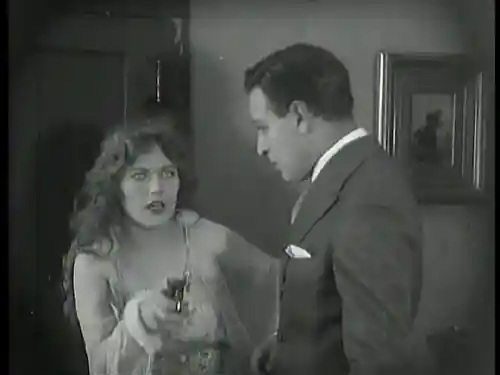
Novelist April Poole reads her new book to Kerry Sarle, her publisher and sweetheart, and to Ronald Kenna, her editor. The story begins at a masked ball, where April meets Kerry and recognizes master thief Kenna. April retrieves a note discarded by Kenna and learns that he intends to steal the Mannister diamond. Meanwhile, the Earl of Mannister, hoping to end his daughter Diana's relationship with an impoverished American artist, orders her to deliver the jewel to her mannish female cousin, Clive Connal, in South Africa. Aboard the train, Diana persuades April to assume her identity. Eager to foil Kenna, April complies. When Kerry overhears a struggle in April's stateroom, he rushes in and ejects Kenna. In gratitude, April reveals her identity and mission. After Kerry receives a note from April that asks him to take the trunk to Clive, April disappears. Disconsolate, Kerry delivers the trunk. When Kenna and his cronies locate it, April springs out, pistol in hand, and captures them. As she concludes her tale, April embraces Kerry, who accepts the story.
Decades after its release, April Folly remains a vital piece of the cinematic puzzle. Its influence can be seen in countless modern works, solidifying Robert Z. Leonard's status as a master of the craft in United States and beyond.