
DbcultAccessing Vault...
Director's Spotlight
Senior Film Conservator
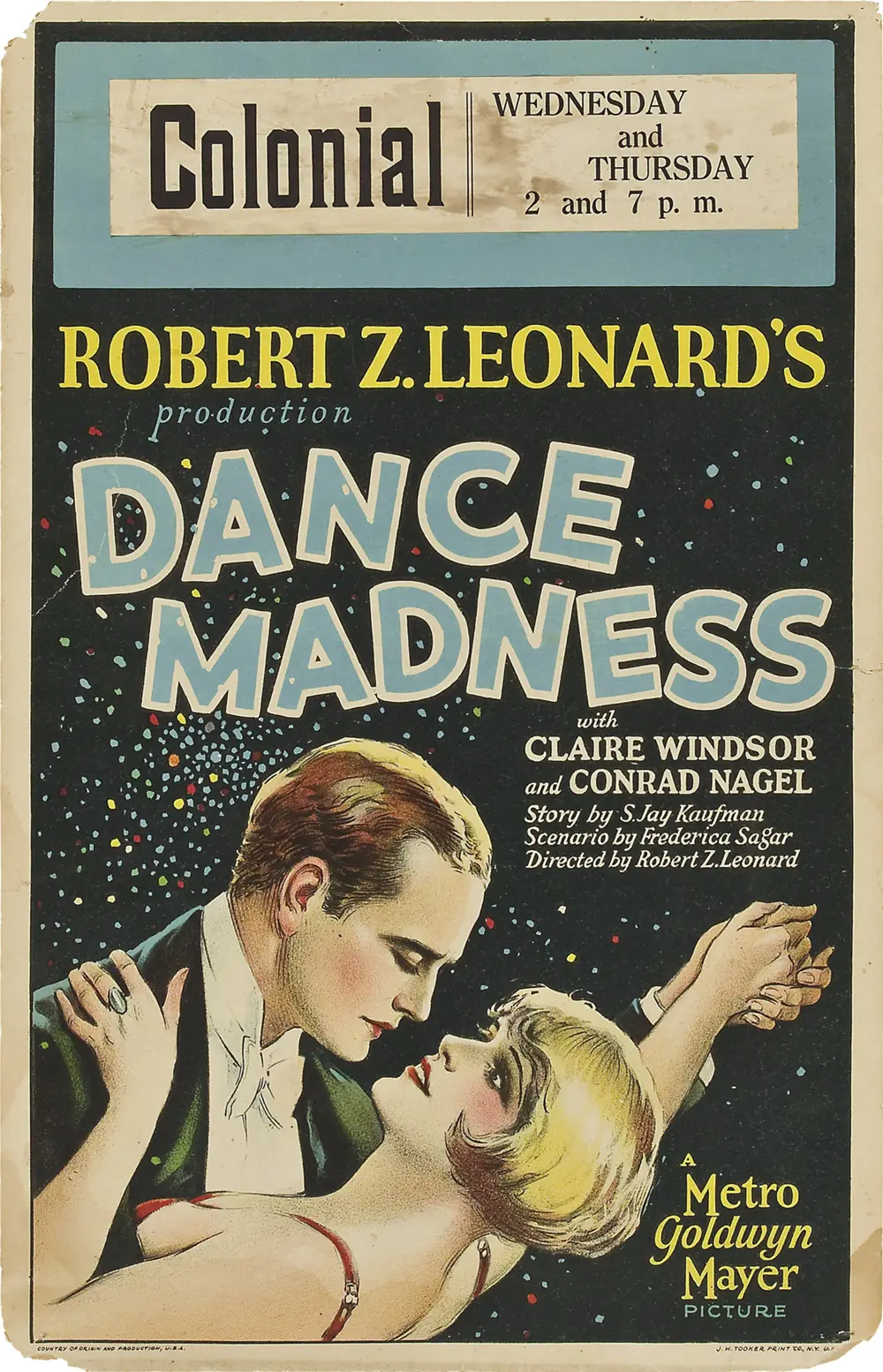
Director's Spotlight: United States
A Deep Dive into the 1926 Vision of Robert Z. Leonard
The enduring fascination with Dance Madness is a testament to the artistic risks taken by Robert Z. Leonard that eventually paid off. Challenging the viewer to find meaning in the Romance shadows, it reminds us of the fragility and beauty of the 1926s.
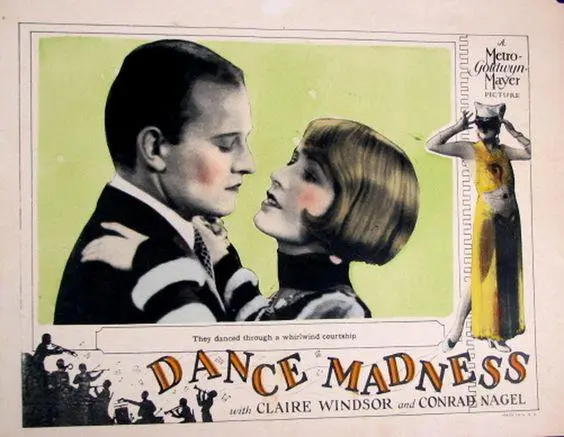
In Dance Madness, Robert Z. Leonard pushes the boundaries of conventional narrative. The film's unique approach to its subject matter has sparked endless debates and interpretations among cinephiles and critics alike.
| Cinematography | Handheld |
| Soundtrack | Diegetic |
| Editing | Rhythmic |
| Art Direction | Naturalist |
Visualizing the convergence of Robert Z. Leonard's style and the core Romance narrative.
Millicent Russell wants her daughter May to be a social triumph. The Russells live in a mansion, but can hardly afford it. The Russells want May to marry Roger Hallday, who is the heir to a large fortune. They plan to ride their ponies on the bridle path of the Bronx River Parkway. Set in New York City (Washington Square and elsewhere) and Paris.
Decades after its release, Dance Madness remains a vital piece of the cinematic puzzle. Its influence can be seen in countless modern works, solidifying Robert Z. Leonard's status as a master of the craft in United States and beyond.