
DbcultAccessing Vault...
Director's Spotlight
Senior Film Conservator
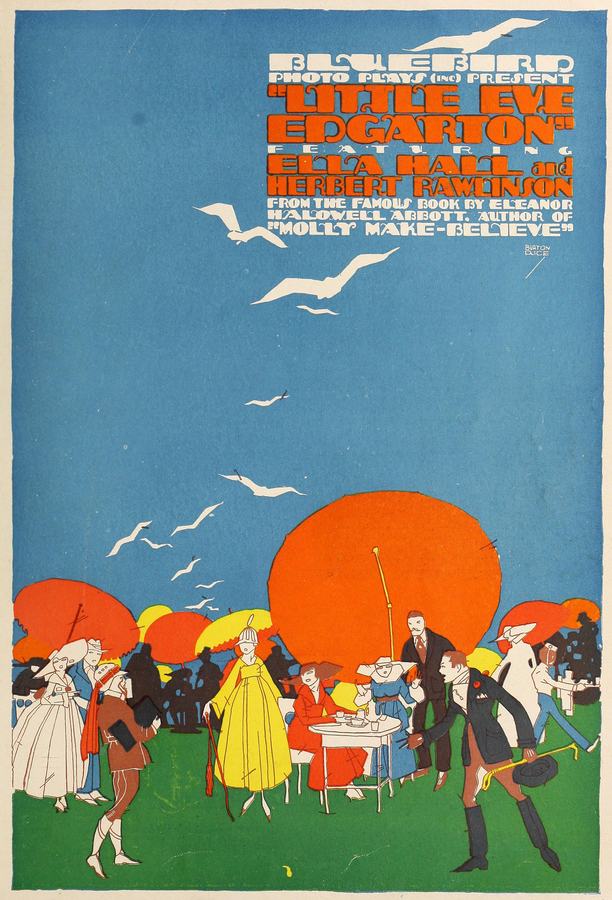
Director's Spotlight: United States
A Deep Dive into the 1916 Vision of Robert Z. Leonard
Few works in United States cinema carry the same weight as Little Eve Edgarton, especially regarding the technical innovation that Robert Z. Leonard introduced to the cult format. Subverting the expectations of the typical 1916 audience, it bridges the gap between traditional cult and contemporary vision.
In Little Eve Edgarton, Robert Z. Leonard pushes the boundaries of conventional narrative. The film's unique approach to its subject matter has sparked endless debates and interpretations among cinephiles and critics alike.
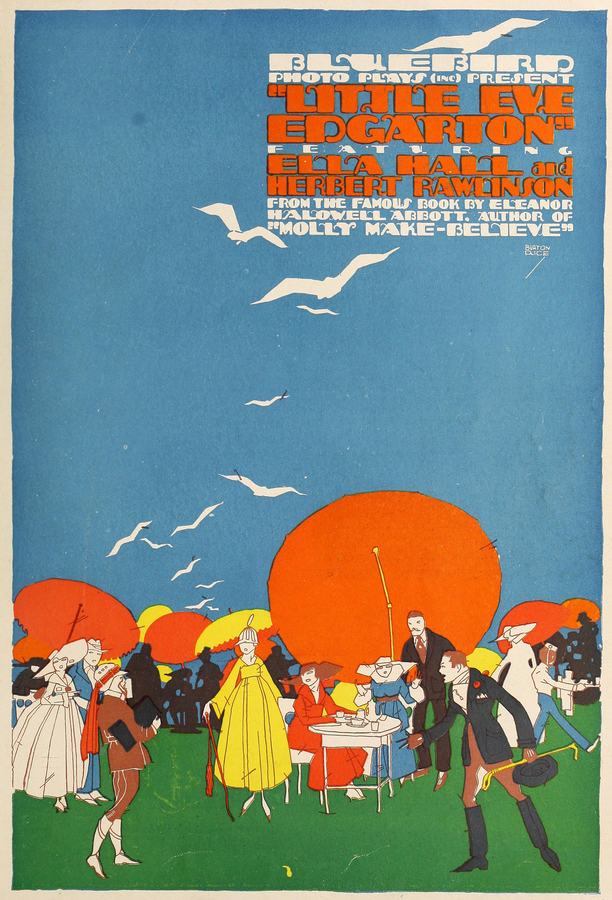
While deeply rooted in United States, Little Eve Edgarton has achieved a global reach, influencing directors from various backgrounds. Its ability to translate cult tropes into a universal cinematic language is why it remains a cult staple decades after its 1916 release.
| Cinematography | Noir-Inspired |
| Soundtrack | Orchestral |
| Editing | Slow-Burn |
| Art Direction | Brutalist |
Visualizing the convergence of Robert Z. Leonard's style and the core cult narrative.
Little Eve has always been the companion of her father, who, with his friend, John Elbertson, roams the face of the earth in search of rare botanical specimens. Eve has never known her mother and has been reared by her father in the studious atmosphere of the scientist, without any thought of love or anything approaching affection having entered her life. Shortly after the play begins her father decides she shall marry his friend, who is a man many years Eve's senior. The girl accepts the dictum as a matter of course. At this time they are in the heart of South Africa following their scientific pursuits. A native runner brings cabled information that there will be at Los Angeles a meeting of botanists, and the two men decide that they will attend. Eve, of course, going along as part of the traveling equipment. James Barton, a young man of wealth and of a highly flirtatious disposition, has grown tired of New York society and decides to shift the scene of his activities to Los Angeles. Shortly after he arrives there the attentions of the hotel guests is divided between his escapades with every pretty girl in sigh and the strange gathering of delegates to the convention. Little Eve Edgarton has attracted considerable attention from the guests, because being a rather pretty girl she remains hobnobbing with the botanists. Dressed very plainly and unattractively, her big bow spectacles make her noticeable upon the verandas and in the rotunda of the fashionable resort hotel. Barton has a cousin who has set her heart upon the young man marrying his friend, Miss Van Eaton. This cousin is inclined to play pranks upon Barton, and when she introduces Barton to Eve Edgarton, the courtesies are extended more as a joke than anything else. But, as in many cases, this joke did not work out as intended. Barton takes a sudden interest in the little botanist and the flirtatious young man finds much to attract him in the quaint and unusual personality of the little student. They indulge in horseback rides and gradually becomes better acquainted. On one occasion, while they have ridden their horses to the top of a mountain, a violent electric storm comes upon them and during the outburst, Barton is struck by lightning. Eve half drags and half carries him to a cave she has discovered in the mountain and by scientific methods of massage, she restores him from the shock. Here in the cave the senior Edgarton and his friend Elbertson accidentally discover the young couple, and then it is that the minds of the scientists are opened to the fact that youth courts youth and age is out of the running. We are left to believe that ultimately the young couple will enter a new life in partnership.
Decades after its release, Little Eve Edgarton remains a vital piece of the cinematic puzzle. Its influence can be seen in countless modern works, solidifying Robert Z. Leonard's status as a master of the craft in United States and beyond.