
DbcultAccessing Vault...
Director's Spotlight
Senior Film Conservator
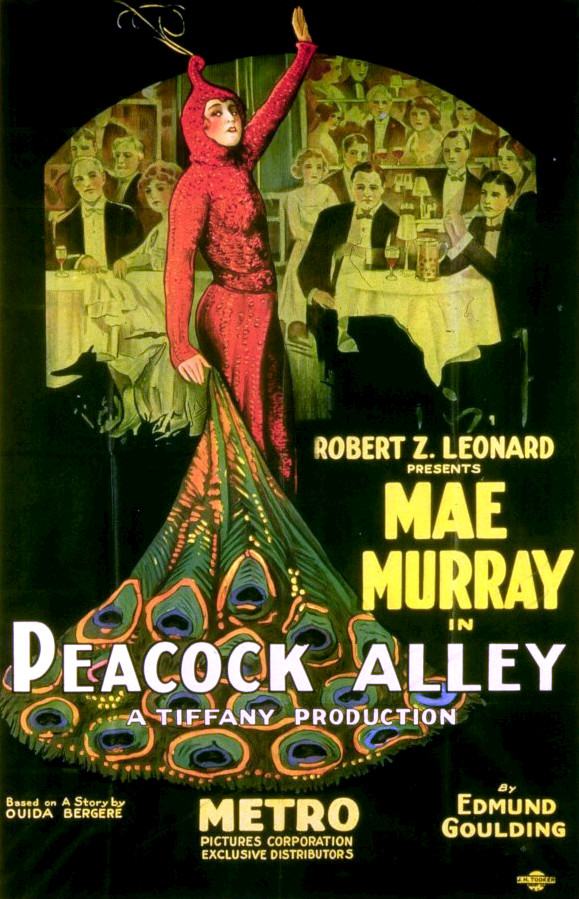
Director's Spotlight: United States
A Deep Dive into the 1922 Vision of Robert Z. Leonard
Peeling back the layers of Robert Z. Leonard's Peacock Alley exposes the collaborative alchemy between Robert Z. Leonard and the 1922 creative team. Anchored by a narrative that is both personal and universal, it reinforces the idea that cinema is a medium of infinite possibilities.
In Peacock Alley, Robert Z. Leonard pushes the boundaries of conventional narrative. The film's unique approach to its subject matter has sparked endless debates and interpretations among cinephiles and critics alike.

While deeply rooted in United States, Peacock Alley has achieved a global reach, influencing directors from various backgrounds. Its ability to translate Drama tropes into a universal cinematic language is why it remains a cult staple decades after its 1922 release.
| Cinematography | Handheld |
| Soundtrack | Experimental |
| Editing | Invisible |
| Art Direction | Kitsch |
Visualizing the convergence of Robert Z. Leonard's style and the core Drama narrative.
Elmer Harmon goes to Paris to sign a contract with the French government, he meets dancer Cleo, with whom he falls in love and she is instrumental in acquiring the contract for him. They are married, and Elmer takes his bride back to his home town in Pennsylvania where the natives are shocked by Cleo's manners and her Parisian attire. In New York, Elmer exhausts his finances, forges his uncle's name to a check, and is arrested. Cleo, in an effort to raise money for her husband's bail, accepts a theatrical engagement, but Elmer misunderstands her association with an old friend and denounces her, returning to Harmontown. Later, he learns the truth and returns to ask her forgiveness.
Decades after its release, Peacock Alley remains a vital piece of the cinematic puzzle. Its influence can be seen in countless modern works, solidifying Robert Z. Leonard's status as a master of the craft in United States and beyond.