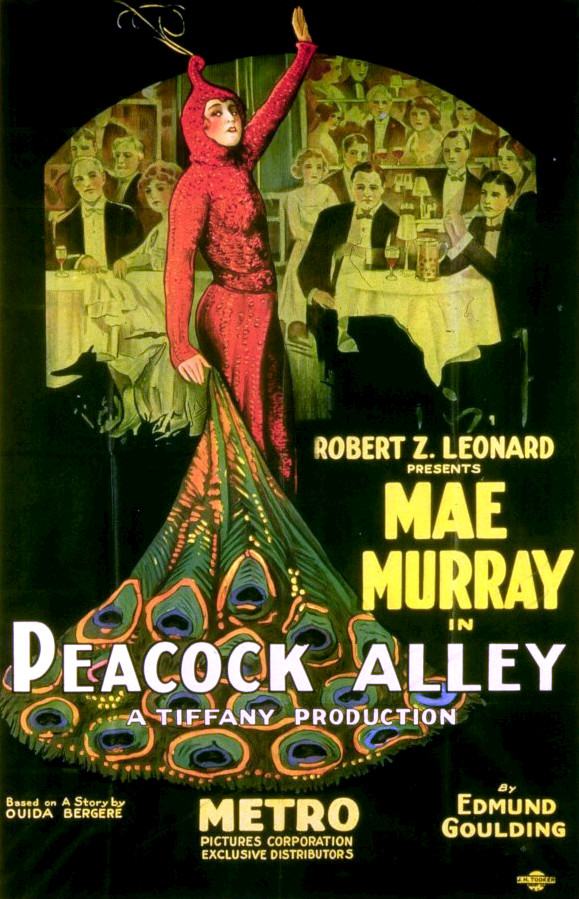
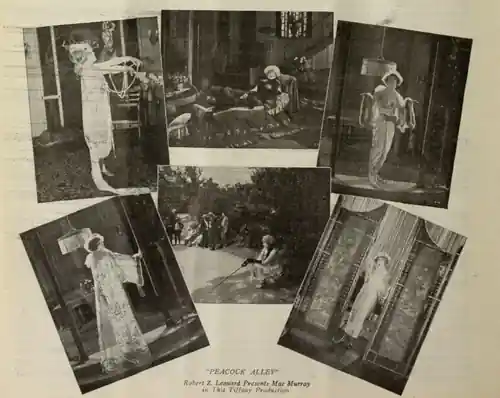
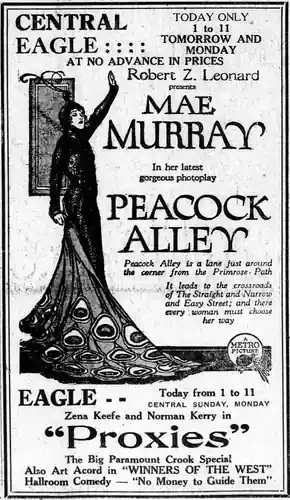
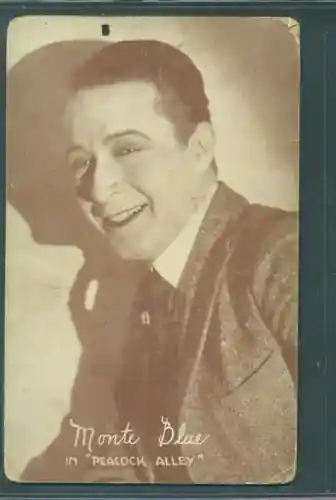
Elmer Harmon goes to Paris to sign a contract with the French government, he meets dancer Cleo, with whom he falls in love and she is instrumental in acquiring the contract for him. They are married, and Elmer takes his bride back to his home town in Pennsylvania where the natives are shocked by Cleo's manners and her Parisian attire.
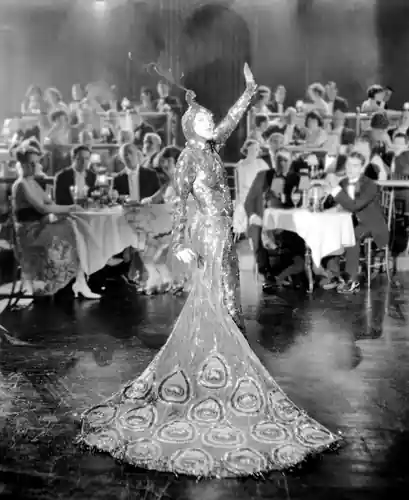
The first time you see Cleo—Mae Murray’s iridescent Parisian gamine—she is only a fractured reflection in a warped cabaret mirror, a trick of gaslight and silver nitrate that promises the world will break before she does. Robert Z. Leonard’s Peacock Alley (1922) is nominally a rags-to-riches-to-rags parable, yet its b...
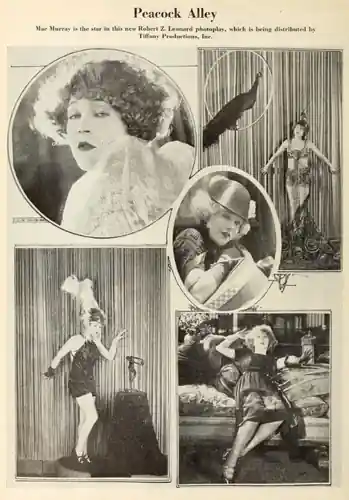
still_frame
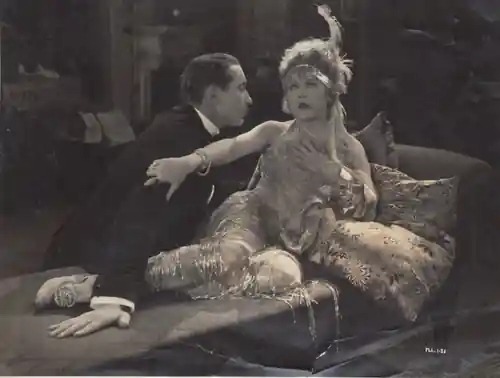
still_frame
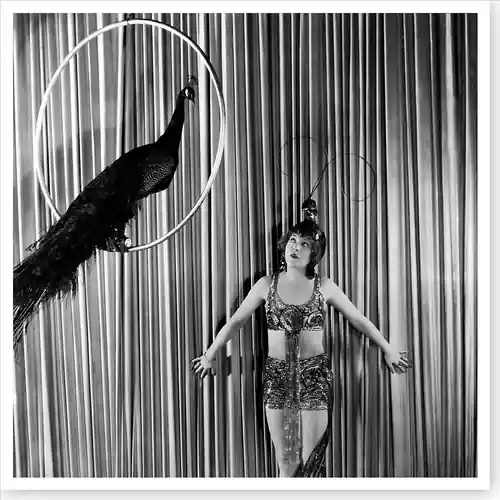
still_frame
still_frame
production_art
still_frame
still_frame
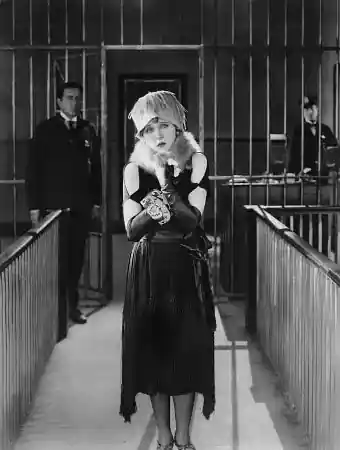
still_frame
Comparing the cinematic DNA and archive impact of two defining moments in cult history.
Robert Z. Leonard
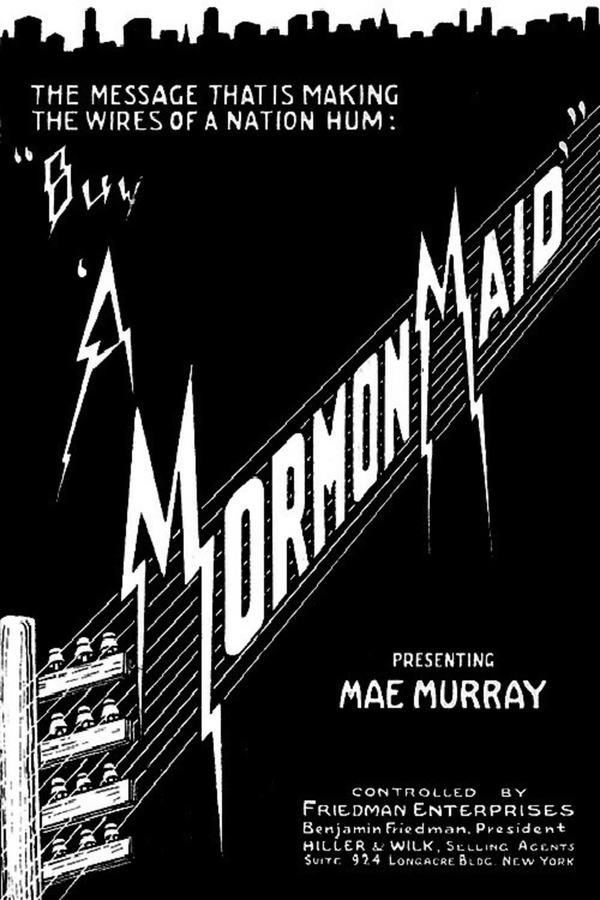
Robert Z. Leonard
Community
Log in to comment.
" The first time you see Cleo—Mae Murray’s iridescent Parisian gamine—she is only a fractured reflection in a warped cabaret mirror, a trick of gaslight and silver nitrate that promises the world will break before she does. Robert Z. Leonard’s Peacock Alley (1922) is nominally a rags-to-riches-to-rags parable, yet its bloodstream pumps with something far more volatile: the terror of being looked at. Every frame interrogates who gets to be watched, who pays the price for visibility, and how desire..."
William J. Ferguson
Ouida Bergère, Edmund Goulding, Robert Z. Leonard, Fanny Hatton, Frederic Hatton
United States