
DbcultAccessing Vault...
Director's Spotlight
Senior Film Conservator
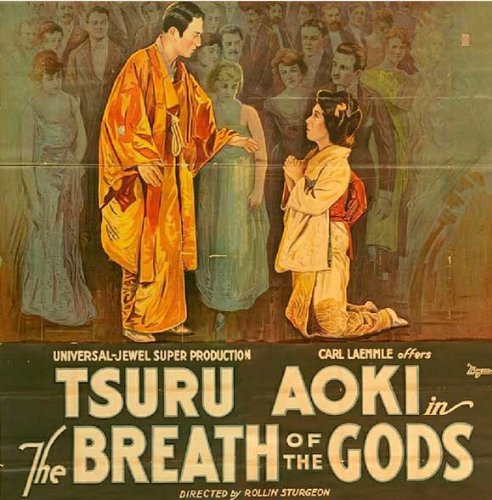
Director's Spotlight: United States
A Deep Dive into the 1920 Vision of Rollin S. Sturgeon
The thematic gravity of The Breath of the Gods (1920) is rooted in the historical context that Rollin S. Sturgeon weaves into the Drama fabric. Synthesizing the best elements of United States and international cinema, it highlights the importance of independent voices in United States.
In The Breath of the Gods, Rollin S. Sturgeon pushes the boundaries of conventional narrative. The film's unique approach to its subject matter has sparked endless debates and interpretations among cinephiles and critics alike.
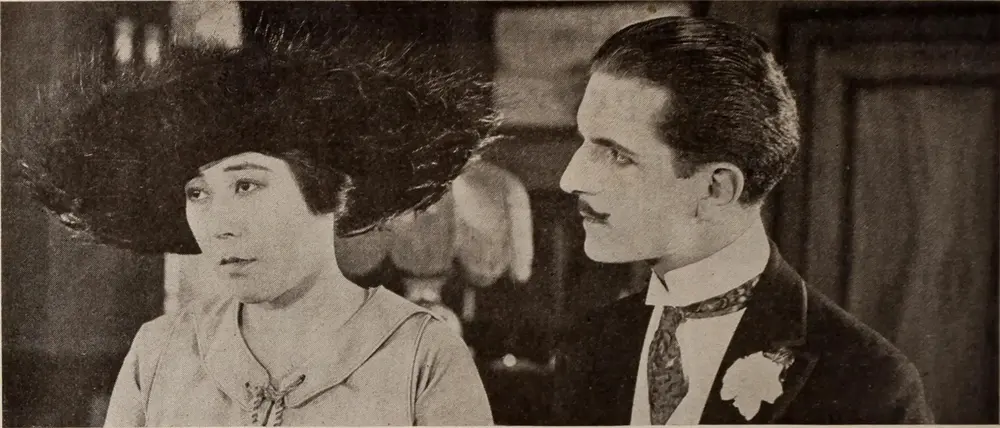
The visual language of The Breath of the Gods is defined by its use of shadows and framing, a hallmark of Rollin S. Sturgeon's style. By utilizing a 1920-era palette, the film creates an immersive experience that perfectly complements its Drama themes.
| Cinematography | High-Contrast |
| Soundtrack | Diegetic |
| Editing | Elliptical |
| Art Direction | Expressionist |
Visualizing the convergence of Rollin S. Sturgeon's style and the core Drama narrative.
While attending college in Washington, D.C., Yuki Onda, the daughter of a Japanese samurai, meets and falls in love with Pierre Le Beau, a diplomatic attaché. At the outbreak of the Russo-Japanese War, Pierre is sent to Japan as attaché to the Australian ambassador. When Yuki's father discovers his daughter's romance with a foreigner, he becomes enraged and betroths her to Prince Hagane for political reasons; being an obedient daughter, Yuki agrees to the match. During a political meeting, Yuki's husband commands her to see that nobody enters the house. During her vigil, Pierre arrives, half-crazed with fever and the desire to see his beloved. Out of revenge, he steals an important document from Hagane; believing that his wife has acted in dishonor, Hagane agrees to trade Yuki for the paper. Worn out with grief and struggling against her love for Pierre, Yuki kills herself, and Hagane delivers the body to her true love.
Decades after its release, The Breath of the Gods remains a vital piece of the cinematic puzzle. Its influence can be seen in countless modern works, solidifying Rollin S. Sturgeon's status as a master of the craft in United States and beyond.