
DbcultAccessing Vault...
Director's Spotlight
Senior Film Conservator
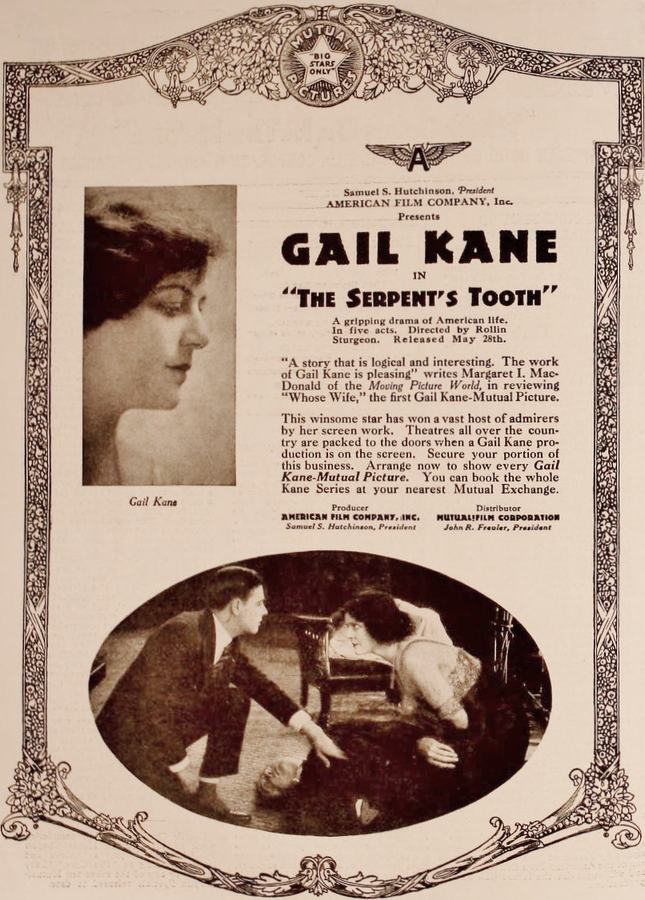
Director's Spotlight: United States
A Deep Dive into the 1917 Vision of Rollin S. Sturgeon
The brilliance of The Serpent's Tooth (1917) is inseparable from the visionary mind of its creator, Rollin S. Sturgeon. Serving as a mirror to the anxieties of a changing world, it persists as a haunting reminder of our own cinematic history.
In The Serpent's Tooth, Rollin S. Sturgeon pushes the boundaries of conventional narrative. The film's unique approach to its subject matter has sparked endless debates and interpretations among cinephiles and critics alike.
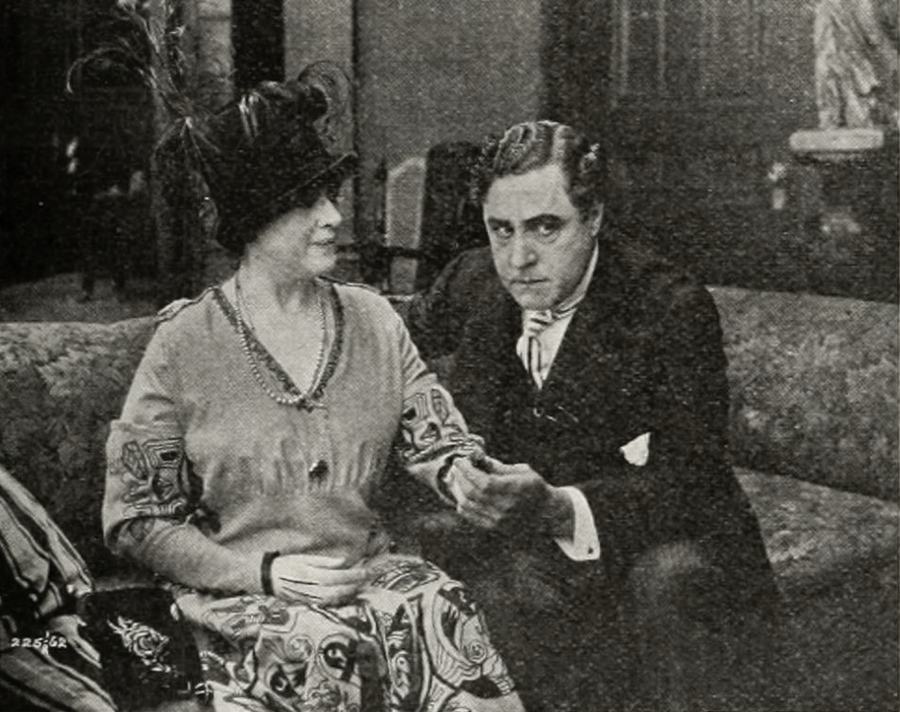
The visual language of The Serpent's Tooth is defined by its use of shadows and framing, a hallmark of Rollin S. Sturgeon's style. By utilizing a 1917-era palette, the film creates an immersive experience that perfectly complements its cult themes.
| Cinematography | High-Contrast |
| Soundtrack | Synth-Heavy |
| Editing | Disjunctive |
| Art Direction | Baroque |
Visualizing the convergence of Rollin S. Sturgeon's style and the core cult narrative.
Realizing that it would be difficult to support a wife on his meager income, struggling physician Jack Stilling loses his love, Faith Channing, to the wealthy James Winthrop. After Faith and Winthrop marry, they begin to drift apart as Winthrop becomes consumed with his pursuit of social ambition. When her husband falls under the spell of fashionable Hortense Filliard, Faith determines to bear him a child in order to win him back. The infant dies soon after its birth, however, and Faith falls into a deep depression, forcing Stilling to prescribe morphine for her. Winthrop, spurred on by Hortense, conceives of a plan to addict Faith to the drug and then file for divorce. His plans backfire, however, when he becomes a slave to the drug and dies in a fit of delirium. Stilling intervenes in time to spare Faith the ravages of addiction, and the doctor and the woman he never ceased loving prepare for a new life.
Decades after its release, The Serpent's Tooth remains a vital piece of the cinematic puzzle. Its influence can be seen in countless modern works, solidifying Rollin S. Sturgeon's status as a master of the craft in United States and beyond.