
DbcultAccessing Vault...
Director's Spotlight
Senior Film Conservator
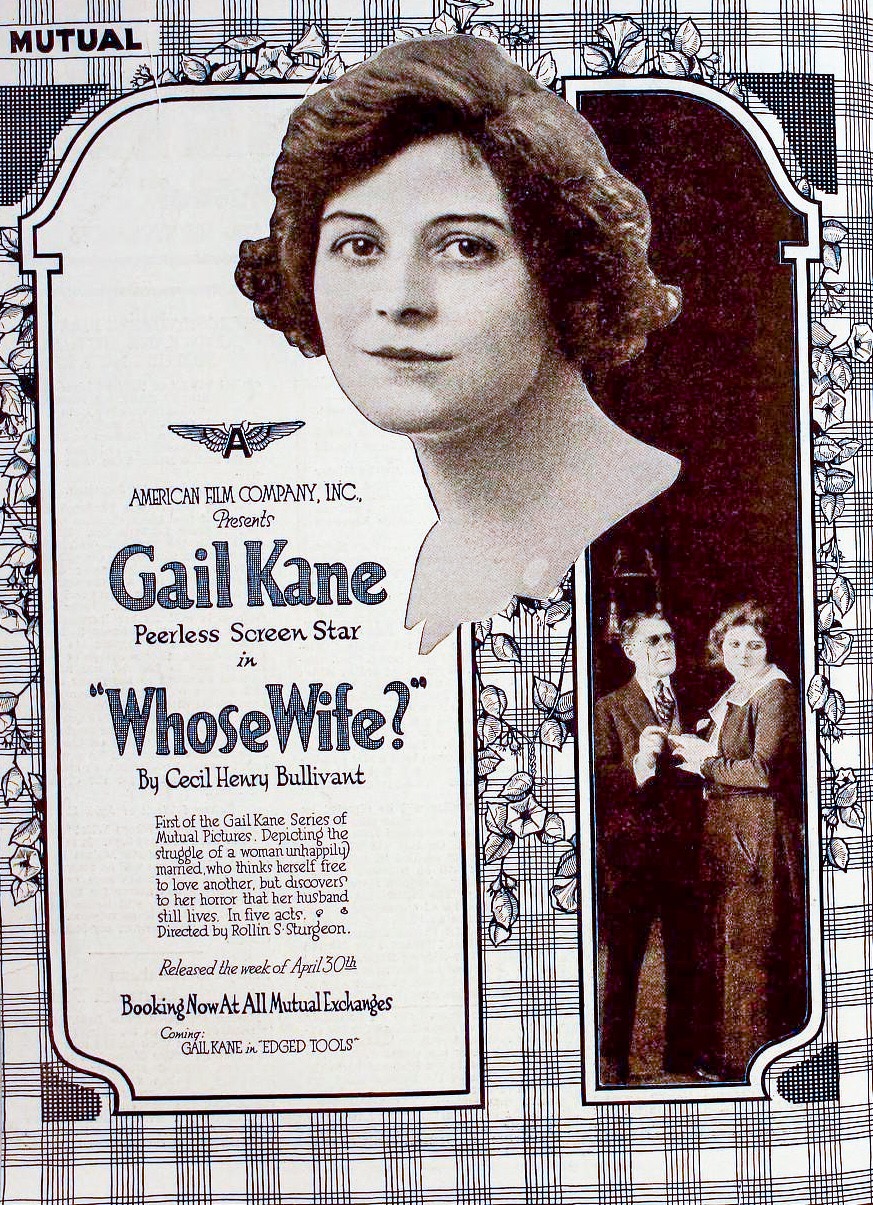
Director's Spotlight: United States
A Deep Dive into the 1917 Vision of Rollin S. Sturgeon
The enduring fascination with Whose Wife? is a testament to the artistic risks taken by Rollin S. Sturgeon that eventually paid off. Challenging the viewer to find meaning in the cult shadows, it reminds us of the fragility and beauty of the 1917s.
In Whose Wife?, Rollin S. Sturgeon pushes the boundaries of conventional narrative. The film's unique approach to its subject matter has sparked endless debates and interpretations among cinephiles and critics alike.
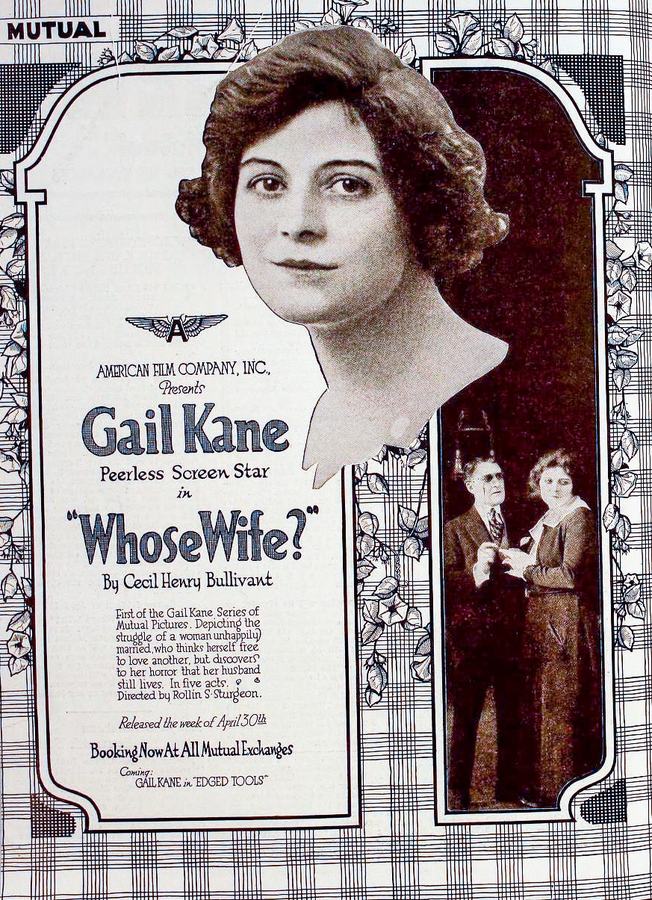
The visual language of Whose Wife? is defined by its use of shadows and framing, a hallmark of Rollin S. Sturgeon's style. By utilizing a 1917-era palette, the film creates an immersive experience that perfectly complements its cult themes.
| Cinematography | Static |
| Soundtrack | Synth-Heavy |
| Editing | Rhythmic |
| Art Direction | Naturalist |
Visualizing the convergence of Rollin S. Sturgeon's style and the core cult narrative.
Mary Melville marries rich playboy Claude Varden to please her invalid mother. On the night they are to depart for a South American honeymoon, Mary's mother becomes seriously ill and Mary decides to stay home and taker care of her. Varden goes on the trip anyway, as he owns some mines in South America. However, Tom Nelson, the husband one of the many married women Varden has had affairs with in the past, is stalking him and follows him on board the ship. On the ship Varden meets the beautiful and rich Nitra Ruiz and her brother Ramon. Deciding that he doesn't want to be married to Mary anymore, he proposes to Nitra. However, his plans don't quite work out the way he had wanted them to.
Decades after its release, Whose Wife? remains a vital piece of the cinematic puzzle. Its influence can be seen in countless modern works, solidifying Rollin S. Sturgeon's status as a master of the craft in United States and beyond.