
DbcultAccessing Vault...
Director's Spotlight
Senior Film Conservator
Director's Spotlight: United States
A Deep Dive into the 1917 Vision of Romaine Fielding
The cult DNA of The Crimson Dove is a reflection of United States's the subversive storytelling techniques employed by Romaine Fielding in 1917. Breaking the traditional rules of cult engagement, it leaves an indelible mark on the soul of the viewer.
In The Crimson Dove, Romaine Fielding pushes the boundaries of conventional narrative. The film's unique approach to its subject matter has sparked endless debates and interpretations among cinephiles and critics alike.
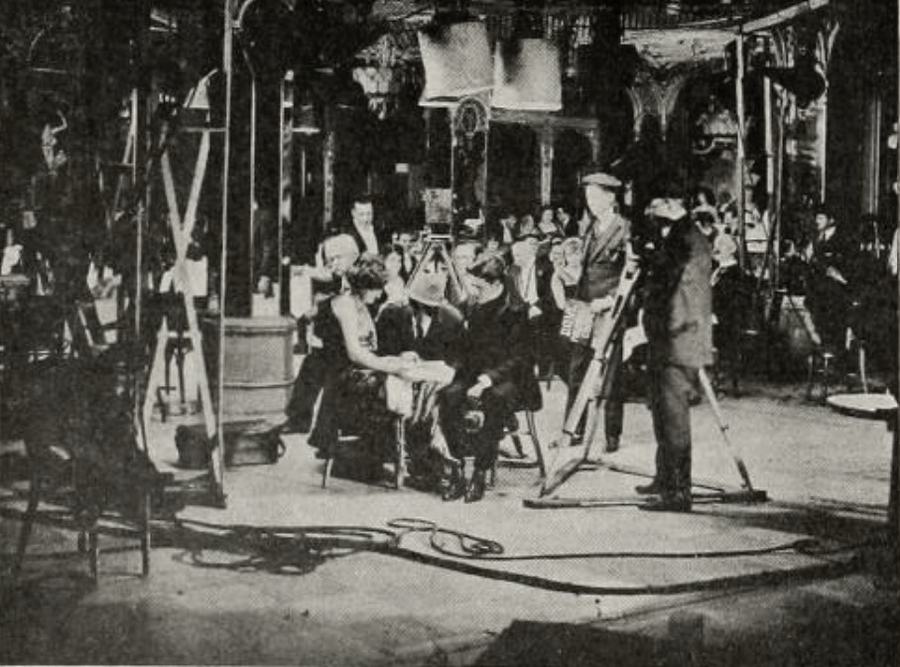
To fully appreciate The Crimson Dove, one must consider the cinematic climate of 1917. During this period, United States was undergoing significant artistic shifts, and Romaine Fielding was at the forefront of this cult movement, often challenging established norms.
| Cinematography | High-Contrast |
| Soundtrack | Minimalist |
| Editing | Slow-Burn |
| Art Direction | Brutalist |
Visualizing the convergence of Romaine Fielding's style and the core cult narrative.
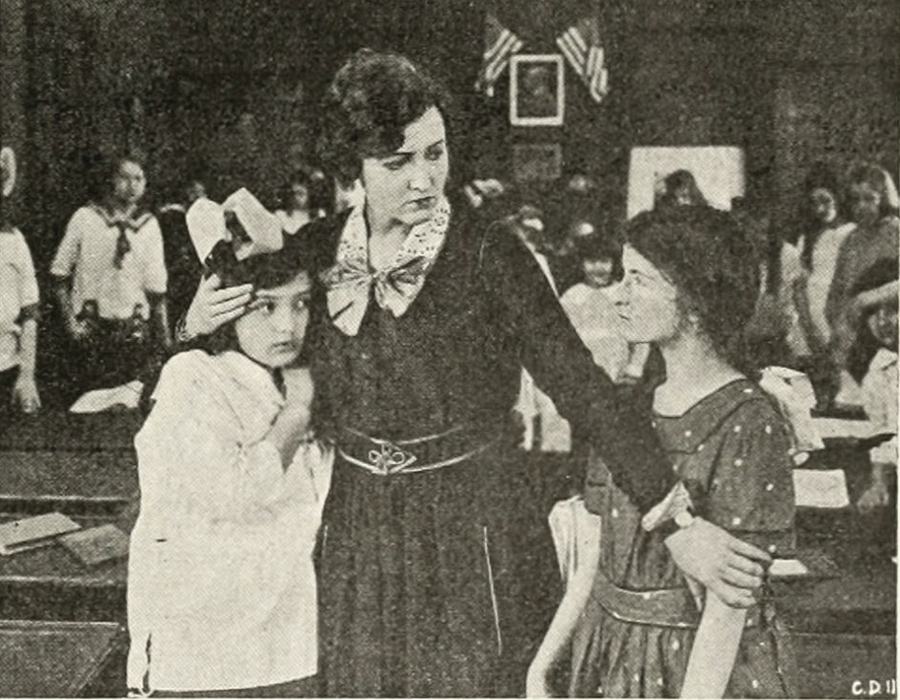
Young minister Brand Cameron meets stage star Adrienne Durant at her father's humble country home where she has gone to recover from the excitement of an attempted suicide by one of her admirers. Believing that Adrienne is an innocent country girl, Cameron falls in love with her until, in a fit of remorse, the actress tells him the truth and returns to her old life in New York. Cameron follows and, unable to give Adrienne up, is denounced by his parishioners and forced to resign. He takes his calling to a tough lumber camp while Adrienne accepts the charge of a school for poor children. At the camp, Faro Kate falsely accuses Cameron of fathering her child and the lumbermen, enraged, set fire to the church. When Cameron risks his life to save Kate's baby trapped in the burning building, however, Kate retracts her lie and the minister is finally accepted by the gruff inhabitants of the camp. Cameron's happiness is made complete when Adrienne comes to join him in his new ministry.
Decades after its release, The Crimson Dove remains a vital piece of the cinematic puzzle. Its influence can be seen in countless modern works, solidifying Romaine Fielding's status as a master of the craft in United States and beyond.