
DbcultAccessing Vault...
Director's Spotlight
Senior Film Conservator
Director's Spotlight: United States
A Deep Dive into the 1919 Vision of Roscoe 'Fatty' Arbuckle
Analyzing A Desert Hero (1919) requires a deep dive into the unique directorial voice that Roscoe 'Fatty' Arbuckle brought to the screen. By challenging the status quo of 1919 cinema, it continues to spark endless debates among critics and cinephiles alike.
In A Desert Hero, Roscoe 'Fatty' Arbuckle pushes the boundaries of conventional narrative. The film's unique approach to its subject matter has sparked endless debates and interpretations among cinephiles and critics alike.
To fully appreciate A Desert Hero, one must consider the cinematic climate of 1919. During this period, United States was undergoing significant artistic shifts, and Roscoe 'Fatty' Arbuckle was at the forefront of this cult movement, often challenging established norms.
| Cinematography | High-Contrast |
| Soundtrack | Orchestral |
| Editing | Slow-Burn |
| Art Direction | Brutalist |
Visualizing the convergence of Roscoe 'Fatty' Arbuckle's style and the core cult narrative.
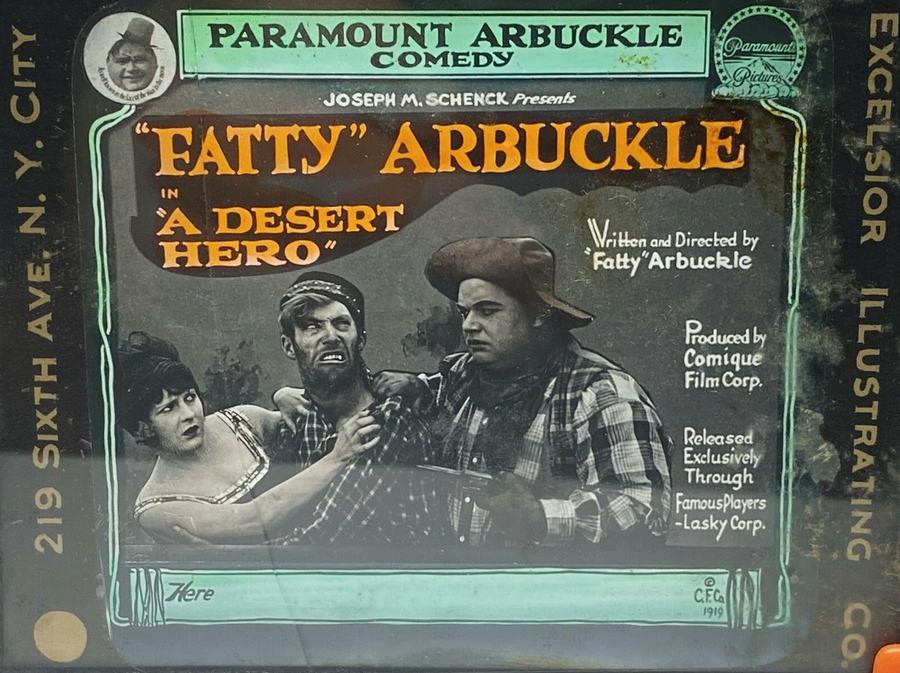
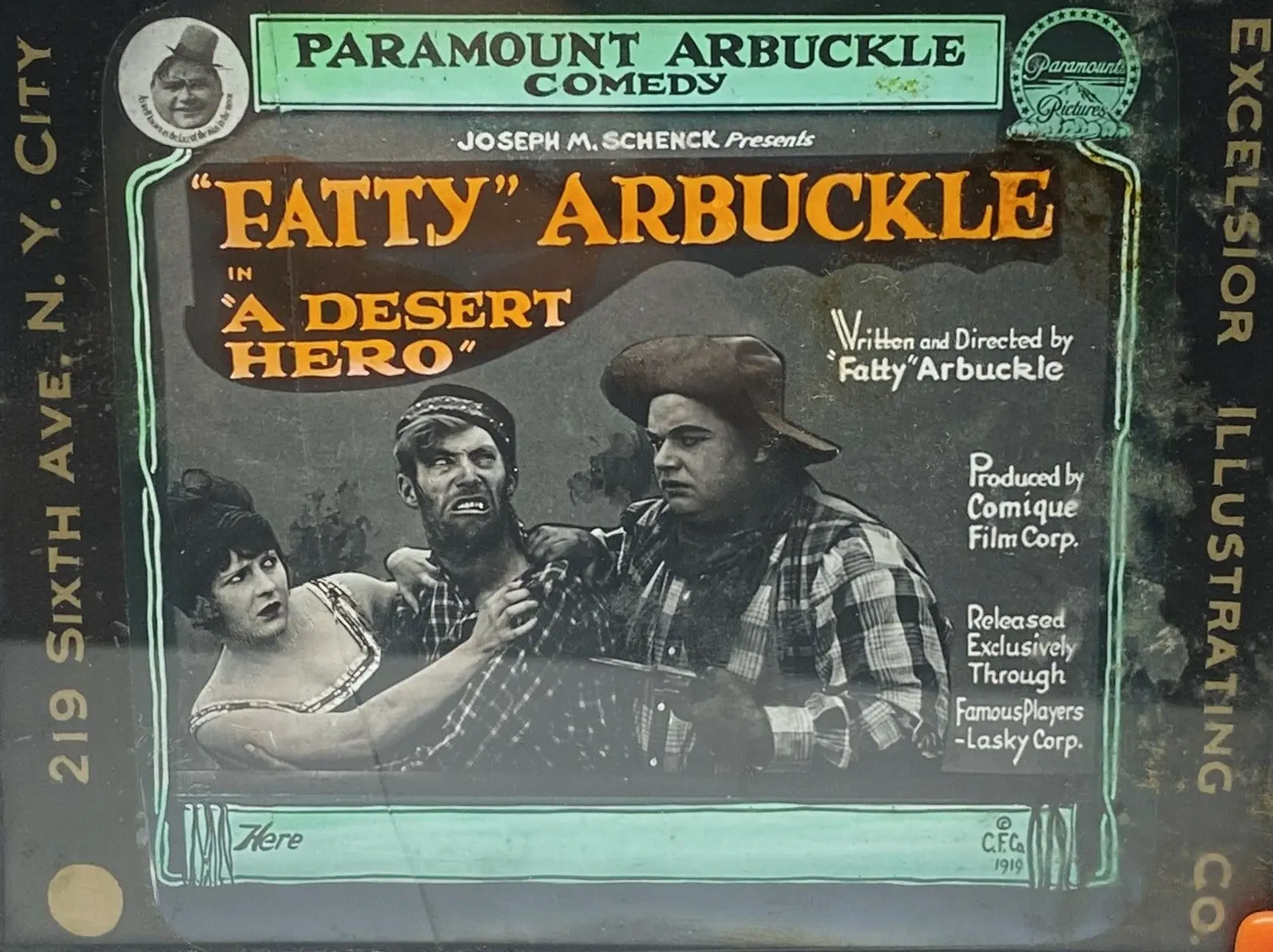
The Sheriff is a "desert hero," so lucky as never to get a scratch amid all the shooting, such a remarkable shot himself that he hits the cuckoo in a clock and causes it to drop into a glass of beer below, converting it to a cocktail. He thwarts all the villains, foils all the plots, rescues the persecuted maiden, destroys the bar, closes the dance hall, and is instrumental in converting a long line of hardened gunmen to lives of usefulness as members of the Salvation Army.
Decades after its release, A Desert Hero remains a vital piece of the cinematic puzzle. Its influence can be seen in countless modern works, solidifying Roscoe 'Fatty' Arbuckle's status as a master of the craft in United States and beyond.